Hosts offering a zero-sugar cola
Individual 330ml cans make it straightforward for guests to take an unopened drink. Larger bottles work for shared pouring when you have cups and space to keep them chilled.


Choose individual cans for unopened, self-serve portions, or sharing bottles if you have room to chill them and cups for guests. If anyone needs to avoid caffeine, choose a variant explicitly labelled caffeine-free rather than relying on “diet” or “zero sugar”; check each pack’s ingredients and phenylalanine warning before serving. Zero-sugar cola is still acidic, so it is worth offering water too.
Individual 330ml cans make it straightforward for guests to take an unopened drink. Larger bottles work for shared pouring when you have cups and space to keep them chilled.
Look for “caffeine-free” on the exact variant. Diet and zero-sugar wording describes sugar, not whether the cola contains caffeine.
Check sweeteners and any phenylalanine warning on each pack, particularly if a guest has phenylketonuria (PKU). According to the NHS, sugar-free fizzy drinks remain acidic and can contribute to dental erosion.
Start with the serving format and any caffeine-free requirement, then compare the nutrition and ingredient labels of the exact variants you plan to put out.
| Priority | What to check | Your needs |
|---|---|---|
| Sugars | Compare declared sugars per 100ml and per serving. Check the nutrition table even when the front of the pack says “diet” or “no added sugar”. | I want to offer cola while choosing a variant with little or no declared sugar. |
| Caffeine | Look for an explicit caffeine-free designation on the exact product; do not infer it from “diet” or “zero sugar”. | Some guests avoid caffeine, so I need a clearly labelled option for them. |
| Ingredients and acidity | Read the sweeteners and phenylalanine warning on each variant. Bear in mind the NHS advice that carbonated drinks can cause dental erosion because of their acid content, regardless of sugar content. | I need to check ingredients for guests with PKU and offer water alongside fizzy drinks. |
| Party format | Compare can count and size with bottle volume. For sharing bottles, plan for cups, chilling and the pack’s instructions after opening. | Unopened cans would simplify self-service; bottles would suit guests pouring and sharing drinks. |
Standard Coca-Cola Zero Sugar and Pepsi Max are distinct from caffeine-free variants. Sugar wording alone cannot tell you whether a drink meets a guest’s caffeine-free requirement.
Add an option explicitly labelled caffeine-free if needed, and check the exact pack before serving.
The NHS says fizzy drinks can contribute to dental erosion because they are acidic, including those without sugar.
Offer water alongside cola rather than presenting a zero-sugar label as the end of the dental consideration.
Some of the cola variants discussed here contain aspartame and carry a source-of-phenylalanine warning, which matters for guests with PKU.
Check the ingredients and warning on each exact variant; do not assume that caffeine-free and standard versions use the same sweeteners.
A brand name does not settle the caffeine or sweetener question: compare the particular cola variant you intend to serve.
Coca-Cola Zero Sugar and Diet Coke No Caffeine offer different answers to a caffeine-free requirement.
Pepsi Max is a no-sugar cola available in individual-can formats.
Tesco Caffeine Free Diet Cola provides an own-label, 2L sharing-bottle route for guests avoiding caffeine.
Sainsbury’s Diet Cola is an own-label 2L sharing-bottle option.
These packs cover caffeine-free cola in cans or sharing bottles, plus individual cans of standard zero-sugar cola. Choose the format and variant that fit your guests rather than treating every pack as interchangeable.
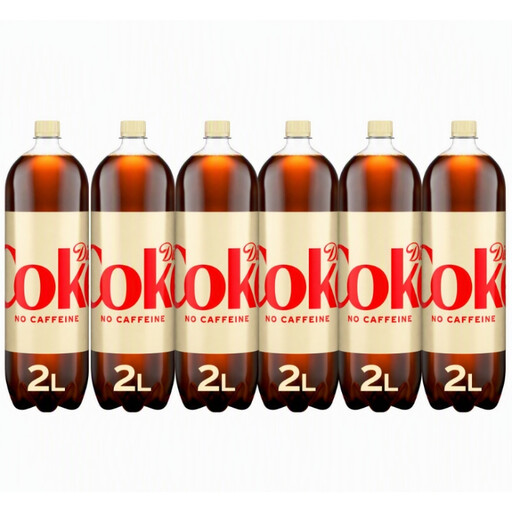 No image available
A caffeine-free choice in bottles for guests sharing cola. The pack contains six 2L bottles; check the ingredients and phenylalanine warning before serving anyone with PKU.
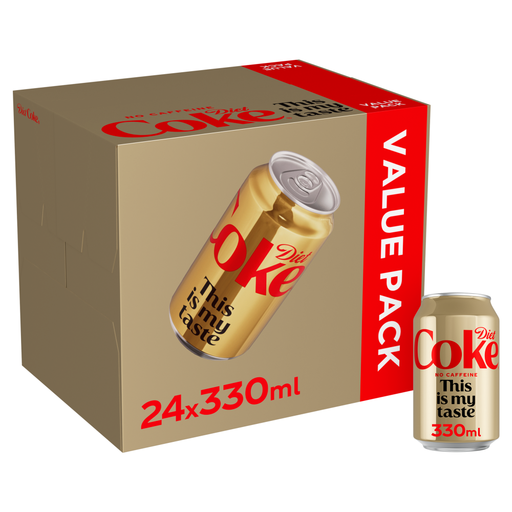 No image available
This caffeine-free variant comes in individual cans for self-service. Check its sweeteners and phenylalanine warning if a guest has PKU.
 No image available
Individual cans provide a caffeine-free option without opening a sharing bottle. This is a distinct variant from standard Pepsi Max; check the ingredients and phenylalanine warning on its pack.
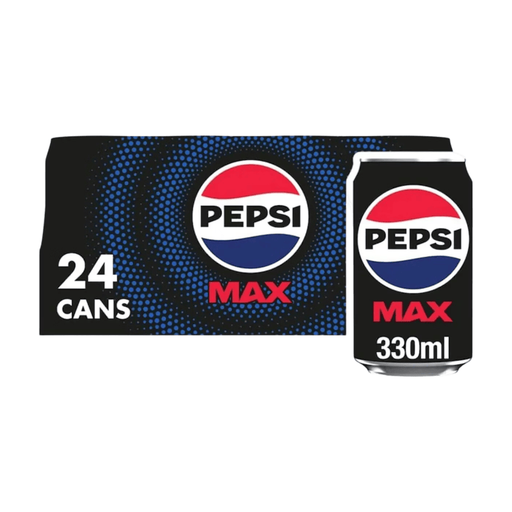 No image available
A 24-can pack for individual self-service. Pepsi UK lists 0g sugars per 330ml for standard Pepsi Max; this variant contains caffeine, so use a separately labelled option for caffeine-avoiding guests. Check its phenylalanine warning.
 No image available
The 24 individual cans suit a self-serve drinks table. Joybuy lists 0g sugars per 330ml can for this pack; standard Coca-Cola Zero Sugar contains caffeine. Check the pack’s sweeteners and phenylalanine warning.
No. Standard Coca-Cola Zero Sugar and Pepsi Max contain caffeine, while Diet Coke No Caffeine and Tesco Caffeine Free Diet Cola are explicitly labelled caffeine-free. Check the exact variant, not just the diet or zero-sugar wording.
Check the exact drink’s ingredients and source-of-phenylalanine warning before serving it. Aspartame contains phenylalanine and is not suitable for people with phenylketonuria (PKU); do not assume that different cola variants use the same sweeteners.
No. The NHS says carbonated drinks are associated with dental erosion because of their acid content, whether or not they contain sugar. Offer water alongside the cola.
Choose cans if unopened individual servings and self-service matter more. Choose sharing bottles if you have cups and enough space to chill them, and follow the pack’s storage instructions after opening.