Parents considering an occasional fizzy treat
For households choosing a cola for a particular after-school snack, while keeping water or milk as the usual drink for children, in line with NHS guidance.


For a child’s everyday after-school drink, choose water or milk: NHS guidance advises against sugary fizzy drinks, while local NHS guidance notes that even sugar-free fizzy drinks may contain acids harmful to teeth. If cola is an occasional treat and avoiding both sugar and caffeine matters, check for an explicitly zero-sugar, caffeine-free variety; standard zero-sugar colas can still contain caffeine and sweeteners.
For households choosing a cola for a particular after-school snack, while keeping water or milk as the usual drink for children, in line with NHS guidance.
For shoppers who want to distinguish a zero-sugar cola from a caffeine-free one. Ingredient lists for several zero-sugar varieties still name caffeine or caffeine flavouring.
For households considering own-label and branded bottles and checking their ingredients, pack sizes and instructions for storage after opening.
Start with whether cola is wanted at all, then compare sugar and caffeine separately. Pack size matters if it will only be served occasionally.
| Priority | What to check | Your needs |
|---|---|---|
| Everyday drink | Decide whether this is the usual after-school drink or an occasional cola. The NHS recommends water and milk for children and advises avoiding sugary fizzy drinks. | For the usual drink after school, I would choose water or milk rather than make cola the default. |
| Sugar | Compare sugars per 100ml and the amount in the serving. Coca-Cola GB lists 10.6g per 100ml for Original Taste and 0g per 100ml for Zero Sugar; Pepsi UK lists 4.5g per 100ml for Pepsi and 0g for Pepsi Max. | If cola is an occasional choice, I want to know how much sugar the particular drink and serving contain. |
| Caffeine | Read the exact variety name and ingredients as well as the nutrition panel. Coca-Cola Zero Sugar and Pepsi Max list caffeine or caffeine flavouring; their specifically caffeine-free varieties are separate products. | A zero-sugar label alone does not answer my question if I also want to avoid caffeine. |
| Fizzy drinks | Do not treat zero sugar as removing every consideration associated with fizzy drinks. Wirral Community Health and Care NHS Foundation Trust notes that fizzy drinks may contain acids harmful to teeth. | Even with a sugar-free cola, I would keep water or milk as the routine drink. |
| Pack and storage | Compare bottle and can sizes with the servings you plan to use. Sainsbury’s Cola Zero and ASDA Cola Zero 2L bottles both instruct shoppers to refrigerate after opening and use within three days. | If cola is only an occasional treat, a large opened bottle may not fit how often we serve it. |
Coca-Cola Zero Sugar, Pepsi Max, Sainsbury’s Cola Zero and ASDA Cola Zero list caffeine or caffeine flavouring, despite their low or zero stated sugar content.
If avoiding caffeine matters, look for a specifically caffeine-free variety and check its ingredient list.
Removing sugar does not make a fizzy drink equivalent to water or milk. Local NHS guidance notes that fizzy drinks may contain acids harmful to teeth.
Keep cola as an occasional flavour choice and offer water or milk as the routine after-school drink, as NHS guidance recommends for children.
An opened bottle needs to fit the household’s plans for serving and storage.
Check the pack instructions before choosing a large bottle over individual cans.
Sainsbury’s Cola Zero and ASDA Cola Zero 2L bottles call for refrigeration after opening and use within three days.
Department for Education guidance on school food addresses food and drink provided in state-funded schools in England; that scope does not make it a rule for an ordinary after-school snack at home.
If buying for a school or organised childcare setting, check the rules that apply to that setting and UK nation rather than relying on a household buying decision.
Compare the exact variety rather than assuming that every cola from one brand has the same sugar or caffeine content.
Coca-Cola GB describes Original Taste, Zero Sugar and Zero Sugar Caffeine Free as distinct varieties.
Pepsi UK lists regular Pepsi, Pepsi Max and Pepsi Max No Caffeine as separate choices.
Sainsbury’s lists an own-label Cola Zero in a 2L bottle.
ASDA Groceries lists an own-label Cola Zero 2L bottle as well as a branded caffeine-free, zero-sugar cola.
Tesco lists branded Coca-Cola Zero Sugar products, including a 330ml can.
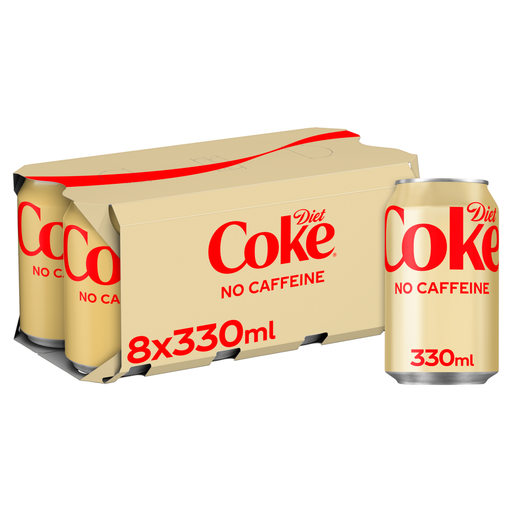
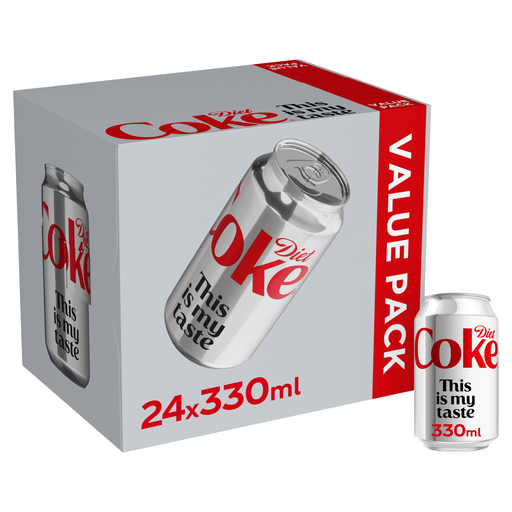
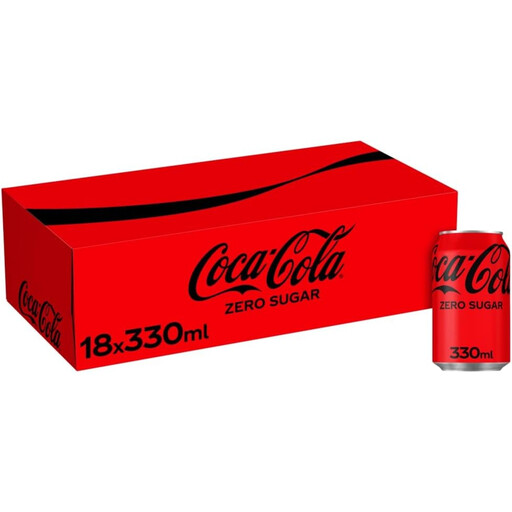
These canned colas offer caffeine-free and standard varieties to consider for an occasional after-school cola. Check the exact pack’s sugar and caffeine information before choosing; none replaces water or milk as the usual drink for children.
 No image available
A caffeine-free labelled option in an eight-can pack for an occasional cola. Check the pack’s nutrition and ingredients if sugar or sweeteners matter to your choice.
 No image available
Consider this specifically caffeine-free variety when an occasional cola is wanted without caffeine. Pepsi UK lists 0g sugars for Pepsi Max No Caffeine; this is a 24-can pack, so consider how often it will be served.
 No image available
A 24-can cola pack for households considering individual servings. Check this Diet Coke pack’s nutrition and ingredients separately if sugar or caffeine is a deciding factor; its title does not identify it as caffeine-free.
 No image available
Pepsi UK lists 0g sugars for Pepsi Max but includes caffeine in its ingredients. This 24-can pack therefore suits a different choice from Pepsi Max Caffeine Free; check the intended drinker’s requirements before selecting it.
 No image available
Coca-Cola GB lists 0g sugars per 100ml for Zero Sugar but includes caffeine flavouring in its ingredients. This 18-can pack is not the specifically caffeine-free variety.
Water or milk is the routine choice recommended for children by the NHS. Wirral Community Health and Care NHS Foundation Trust also notes that sugar-free fizzy drinks may contain acids harmful to teeth, so a zero-sugar cola is better treated as an occasional choice.
No. Coca-Cola Zero Sugar, Pepsi Max, Sainsbury’s Cola Zero and ASDA Cola Zero list caffeine or caffeine flavouring. Look for a specifically caffeine-free variety and check its ingredient list when avoiding caffeine matters.
No. Local NHS hydration guidance notes that fizzy drinks may contain acids harmful to teeth, and NHS dental guidance advises choosing water instead of fizzy drinks, including sugar-free versions.
Department for Education school-food guidance addresses food and drink provided in state-funded schools in England, not an ordinary snack at home. If the drink is being bought for a school or childcare setting, check the rules for that setting and UK nation.
Follow the particular bottle’s instructions. Sainsbury’s Cola Zero and ASDA Cola Zero 2L listings both say to refrigerate after opening and use within three days.