What should you check first?
Plan carbohydrate and fluids for the run first; then decide whether the cola you prefer should contain caffeine.
| Priority | What to check | Your needs |
|---|
| Carbohydrate |
Read the value per 100ml on the exact pack. Coca-Cola GB lists 0g carbohydrate per 100ml for standard Diet Coke and Coca-Cola Zero Sugar; PepsiCo UK lists 0g for Pepsi Max. Consider carbohydrate for a prolonged run separately from your cola choice. |
I enjoy cola, but need to arrange running fuel separately if the session calls for carbohydrate. |
| Caffeine |
Check whether the variant contains caffeine. Standard Diet Coke, Coca-Cola Zero Sugar and Pepsi Max list it; Diet Coke No Caffeine and Pepsi Max No Caffeine are named alternatives. If choosing caffeine, try the timing during ordinary training rather than for the first time on race day. |
For a later drink, or if I prefer to avoid caffeine, I would choose a caffeine-free variant rather than assume all diet colas are alike. |
| Fluids |
Decide how you will replace fluids independently of how you will obtain carbohydrate. The NHS identifies water as the way to replace fluids lost through physical activity; a zero-carbohydrate cola does not meet a carbohydrate-fuelling need just because it is a drink. |
I want a drink I like without confusing it with my plan for fluids and fuel during a sweaty long run. |
| Exact label |
Check the current pack for carbohydrate, sugars, caffeine and sweeteners, especially when switching brands or variants. Coca-Cola GB labels Coca-Cola Zero Sugar as containing a source of phenylalanine. |
Ingredients or label statements may matter to me, so I would check the particular cola I am buying. |
Relevant cola brands
These brand references help distinguish named drinks and variants; check the exact product label before buying.
Coca-Cola
Diet Coke and Coca-Cola Zero Sugar are relevant when choosing between standard and caffeine-free cola variants.
- Coca-Cola GB lists 0g carbohydrate and 0g sugars per 100ml for standard Diet Coke and Coca-Cola Zero Sugar. Its Diet Coke range also includes Diet Coke No Caffeine.
- The standard drinks do not provide carbohydrate fuel; check caffeine status on the exact variant.
Pepsi
Pepsi Max and Pepsi Max No Caffeine offer different caffeine choices; regular Pepsi has a different carbohydrate content.
- PepsiCo UK lists 0g carbohydrate per 100ml for Pepsi Max and less than 0.1g per 100ml for Pepsi Max No Caffeine. Regular Pepsi lists 4.6g per 100ml.
- Neither Max variant supplies meaningful carbohydrate for a long run; regular Pepsi’s carbohydrate content alone does not make it a complete fuelling plan.
Tesco
Tesco Caffeine Free Diet Cola is an own-label option for someone who wants cola without caffeine.
- Tesco describes it as a no-added-sugar, caffeine-free cola with sweetener.
- Choose it for drink preference, not as a substitute for planned running fuel; check the current pack for its nutrition and ingredients.
Sainsbury's
Sainsbury's Diet Cola is an own-label option for shoppers comparing diet-cola labels.
- Sainsbury's lists less than 0.5g carbohydrate and less than 0.5g sugars per 100ml for its Diet Cola.
- Its listed ingredients include caffeine, and its low carbohydrate content does not make it running fuel.
Diet and zero-sugar cola options
These Joybuy multipacks offer caffeinated and caffeine-free diet or zero-sugar cola choices. They are options for drinking alongside a separate marathon-training fuel and fluid plan.
 No image available
Diet Coke No Caffeine, 24 × 330ml
Choose this variant if you want a diet cola without caffeine alongside, rather than instead of, your running-fuel plan. The pack contains 24 × 330ml cans; check the current label for carbohydrate and ingredient details that matter to you.
View on Joybuy
 No image available
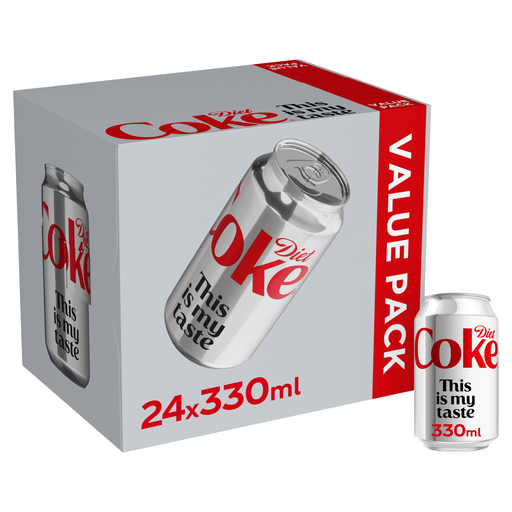
Diet Coke, 24 × 330ml
This is a caffeinated diet-cola choice, not a replacement for carbohydrate fuel. The pack contains 24 × 330ml cans; Coca-Cola GB lists 0g carbohydrate per 100ml for standard Diet Coke. Consider caffeine timing and check the current pack label.
View on Joybuy
 No image available
Pepsi Max Caffeine Free, 24 × 330ml
Choose this if you prefer Pepsi Max without caffeine while keeping running fuel separate. The pack contains 24 × 330ml cans; PepsiCo UK lists less than 0.1g carbohydrate per 100ml for Pepsi Max No Caffeine, so it is not a carbohydrate-fuelling drink.
View on Joybuy
 No image available
Pepsi Max, 24 × 330ml
This caffeinated zero-sugar cola is a drink preference, not a source of running carbohydrate. The pack contains 24 × 330ml cans; PepsiCo UK lists 0g carbohydrate per 100ml for Pepsi Max. Check the pack if caffeine timing or ingredients matter to you.
View on Joybuy
 No image available
Coca-Cola Zero Sugar, 24 × 330ml
This is a caffeinated zero-sugar cola to consider alongside a separate fuel and fluid plan. The pack contains 24 × 330ml cans; Coca-Cola GB lists 0g carbohydrate per 100ml and labels the drink as containing a source of phenylalanine. Check the current pack if that statement matters to you.
View on Joybuy
Questions about cola and running
Can Diet Coke, Coca-Cola Zero Sugar or Pepsi Max fuel a long training run?
Not as a carbohydrate source. Coca-Cola GB and PepsiCo UK list 0g carbohydrate per 100ml for those standard products, so arrange carbohydrate for a prolonged run separately if your plan calls for it.
When should I choose a caffeine-free diet cola?
Choose one when you want cola without caffeine. Diet Coke No Caffeine and Pepsi Max No Caffeine are named alternatives to their caffeinated versions, but avoiding caffeine does not turn either drink into running fuel.
Does regular cola replace a sports drink?
Do not assume it does. PepsiCo UK lists 15g carbohydrate per 330ml can of regular Pepsi, unlike Pepsi Max, but you still need to consider carbohydrate and fluids across the whole run rather than judging a plan by one can.
What about fluids after a sweaty run?
The NHS identifies water as the way to replace fluids lost through physical activity. Treat that fluid decision separately from whether you need food or a drink containing carbohydrate after the run; diet cola alone does not supply meaningful carbohydrate.
Which details matter on a diet-cola label?
Check carbohydrate and sugars per 100ml, caffeine, sweeteners and any ingredient statements on the exact variant. For example, Coca-Cola GB labels Coca-Cola Zero Sugar as containing a source of phenylalanine; do not assume another cola has an identical ingredient list.


