Gym-goers who want cola without sugar
If you want a fizzy drink for its flavour rather than as your post-exercise snack, Coca-Cola GB and Pepsi UK list 0g sugars per 100ml for Coca-Cola Zero Sugar and Pepsi Max respectively.


Choose a zero-sugar cola if you want cola flavour after the gym without sugar from the drink, but have food as well if you need a post-exercise snack: Coca-Cola Zero Sugar and Pepsi Max list 0g protein and 0g sugars per 100ml, while University College London Hospitals NHS Foundation Trust identifies carbohydrate-and-protein snacks for use around exercise. If you want to avoid caffeine, choose a clearly labelled caffeine-free variant; after sweating, the NHS recommends water to replace lost fluid.
If you want a fizzy drink for its flavour rather than as your post-exercise snack, Coca-Cola GB and Pepsi UK list 0g sugars per 100ml for Coca-Cola Zero Sugar and Pepsi Max respectively.
Coca-Cola Zero Sugar Caffeine Free and Diet Coke No Caffeine offer cola options without sugar or caffeine. Check the exact variant on the pack: the standard versions are not necessarily caffeine-free.
Compare the nutrition panel and ingredients of the particular drink you choose. ASDA Groceries lists less than 0.5g sugars per 100ml for ASDA Diet Cola, while Sainsbury's lists its own Cola Zero and Diet Cola; their formulations should not be assumed to match.
Decide whether you want a cola for its flavour, a drink after sweating, or food after exercise; then compare the exact cola variants on their labels.
| Priority | What to check | Your needs |
|---|---|---|
| Sugars | Read sugars per 100ml on the exact pack. Coca-Cola GB and Pepsi UK list 0g for Coca-Cola Zero Sugar and Pepsi Max; ASDA Groceries lists less than 0.5g for ASDA Diet Cola. | I want cola flavour without sugar from the drink, so the figure on the pack matters more to me than whether its name says ‘diet’ or ‘zero’. |
| Food after exercise | Check carbohydrate and protein if you expect the drink to serve as a snack. Coca-Cola GB lists 0g of both per 100ml for Coca-Cola Zero Sugar. University College London Hospitals NHS Foundation Trust identifies carbohydrate-and-protein snacks for use around exercise. | If I need food after the gym, I will choose a snack separately rather than count cola as one. |
| Fluid replacement | Consider how much you have sweated. The NHS says water is the best way to replace fluid lost through physical activity. | After a sweaty session, I want water for fluid replacement; cola would be an additional drink chosen for its flavour. |
| Caffeine | Check the variant name and ingredients. Standard Coca-Cola Zero Sugar, Pepsi Max and ASDA Diet Cola list caffeine; Coca-Cola Zero Sugar Caffeine Free and Diet Coke No Caffeine are labelled caffeine-free alternatives. | I exercise later in the day and would rather choose a cola explicitly marked caffeine-free. |
| Ingredients | Read the sweetener list and any phenylalanine warning on the pack. Coca-Cola GB and Pepsi UK identify these on their standard zero-sugar colas. | When a particular ingredient or label warning matters to me, I need to check the specific product rather than assume all zero-sugar colas use the same recipe. |
Coca-Cola GB and Pepsi UK list 0g protein per 100ml for their standard zero-sugar colas. University College London Hospitals NHS Foundation Trust identifies carbohydrate-and-protein snacks for use around exercise.
Choose food separately if you want a post-exercise snack; choose cola for its flavour rather than its contribution to that snack.
Coca-Cola Zero Sugar and Pepsi Max list 0g sugars per 100ml, whereas ASDA Groceries lists less than 0.5g for ASDA Diet Cola. Their ingredient lists differ too.
Compare the per-100ml nutrition panel and ingredients of the exact pack.
The standard Coca-Cola Zero Sugar and Pepsi Max products list caffeine, while caffeine-free variants are available.
If avoiding caffeine matters to you, look for an explicitly caffeine-free variant and check its current ingredients.
In England, the Food (Promotion and Placement) (England) Regulations 2021 address retail promotion and placement; the Department for Education's school food standards address food and drink provided to pupils on school premises. One set of rules does not establish eligibility under the other.
For a school purchase, check the applicable UK nation's current school-food standards and the specific drink rather than relying on its sugar claim or retail classification.
Coca-Cola Zero Sugar is a standard zero-sugar cola; Coca-Cola Zero Sugar Caffeine Free is a separate variant for those avoiding caffeine.
Pepsi Max is a zero-sugar cola, with a separate Pepsi Max Caffeine-Free variant.
ASDA Diet Cola provides an own-label example to compare by its individual label rather than by the word ‘diet’ alone.
Sainsbury's diet-and-sugar-free drinks category lists its own Cola Zero and Diet Cola alongside branded options.
Tesco's Coca-Cola Zero Sugar 330ml listing is a retailer reference for that branded product, not a Tesco own-label formulation.
These cola multipacks include caffeine-free and standard zero-sugar variants, plus a cherry-flavoured option. They are drinks to consider alongside, rather than in place of, food if you want a post-exercise snack.
 No image available
A cola option if you are avoiding caffeine after an evening workout. The listing states 0g sugars, carbohydrate and protein per 100ml; it also identifies sweeteners and a source-of-phenylalanine warning. It is a drink, not a post-exercise snack.
 No image available
For someone who wants a Pepsi Max cola without caffeine, including later in the day. The listing states 0g sugars, carbohydrate and protein per 100ml and identifies sweeteners and a source-of-phenylalanine warning. Choose food separately if you need a snack.
 No image available
For a standard Pepsi Max cola when caffeine is acceptable. The listing states 0g sugars, carbohydrate and protein per 100ml and identifies caffeine, sweeteners and a source-of-phenylalanine warning. It does not replace a food-based snack.
 No image available
For someone choosing Coca-Cola Zero Sugar after exercise without sugar from the drink. The listing states 0g sugars, carbohydrate and protein per 100ml; it identifies caffeine, sweeteners and a source-of-phenylalanine warning. This is not the caffeine-free variant or a substitute for a snack.
 No image available
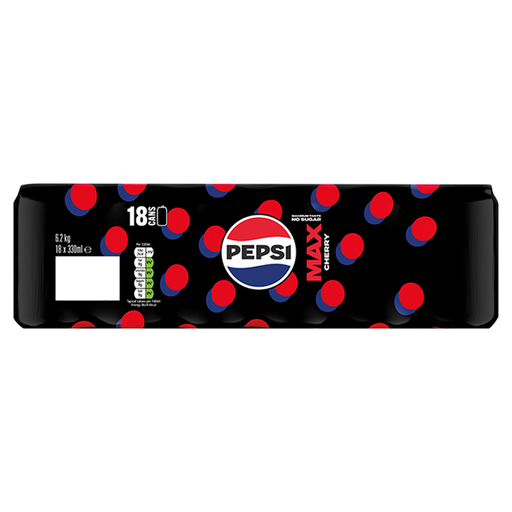
Choose this variant if you want cherry-flavoured rather than standard Pepsi Max cola. The listing states 0g sugars, carbohydrate and protein per 100ml and identifies caffeine, sweeteners and a source-of-phenylalanine warning. It is not a caffeine-free option or a snack.
No: choose it as a drink for its flavour, not as the food part of a snack. Coca-Cola GB and Pepsi UK list 0g protein per 100ml for their standard zero-sugar colas, while University College London Hospitals NHS Foundation Trust identifies carbohydrate-and-protein snacks for use around exercise.
The NHS says water is the best way to replace fluid lost through physical activity. You can choose a no-sugar cola for its flavour as an additional drink.
Coca-Cola Zero Sugar Caffeine Free and Diet Coke No Caffeine are explicitly identified as caffeine-free options in the supplied product information. Check the exact pack, since the standard cola variants may contain caffeine.
Do not use the name alone to decide: read sugars per 100ml on the nutrition panel. Coca-Cola GB and Pepsi UK list 0g for Coca-Cola Zero Sugar and Pepsi Max, whereas ASDA Groceries lists less than 0.5g for ASDA Diet Cola.
Read the ingredients and any source-of-phenylalanine warning on the exact pack, particularly if either matters to your dietary needs. Coca-Cola GB and Pepsi UK identify sweeteners and this warning for their standard zero-sugar colas; do not assume every variant has the same ingredients.