Revision shoppers comparing sugar labels
If you want a familiar fizzy drink with a revision snack, compare ‘of which sugars’ per 100ml on the exact pack. Drinks with ‘Zero’ in their names do not all list the same sugar value.


For a fizzy drink alongside revision snacks, check the exact label rather than relying on a ‘Zero’ name. Choose a cola explicitly labelled caffeine-free if avoiding caffeine matters; regular zero-sugar colas can contain it, while non-cola flavours need their own sugar and ingredient checks. Wirral Community Health and Care NHS Foundation Trust advises that most drinks should be water or milk and notes that fizzy drinks may contain acids harmful to teeth.
If you want a familiar fizzy drink with a revision snack, compare ‘of which sugars’ per 100ml on the exact pack. Drinks with ‘Zero’ in their names do not all list the same sugar value.
If you want cola without caffeine, look for an explicit caffeine-free claim. A zero-sugar label alone does not tell you whether the drink contains caffeine.
A drink bought for home revision and one provided by a state-funded school in England raise different questions. The Department for Education’s school-food guidance concerns provision in those schools; check the applicable rules and the school’s own policy for a school setting.
Choose the flavour and caffeine route first, then compare sugar values and ingredients on the particular can or bottle.
Choose when: You want cola flavour but prefer to avoid caffeine; Coca-Cola Great Britain describes Coca-Cola Zero Sugar Caffeine Free as caffeine-free, and Pepsi UK describes Pepsi Max No Caffeine as zero caffeine and zero sugar.
Keep in mind: Caffeine-free does not mean free of acids or sweeteners; check the exact pack for ingredients that matter to you.
Choose when: You want cola and caffeine is acceptable to you; Coca-Cola Great Britain and Pepsi UK list 0g sugars per 100ml for Coca-Cola Zero Sugar and Pepsi Max respectively.
Keep in mind: Both manufacturers list caffeine in those regular variants, so neither is a substitute for a product explicitly labelled caffeine-free.
Choose when: Lemon-and-lime or fruit flavour matters more to you than cola flavour.
Keep in mind: Coca-Cola Great Britain lists 0g sugars per 100ml for Sprite Zero but 0.4g for Fanta Fruit Twist Zero. Check caffeine separately rather than assuming either drink’s status from its flavour.
| Priority | What to check | Your needs |
|---|---|---|
| Sugar information | Compare ‘of which sugars’ per 100ml and read the ingredient list on the exact variant. Coca-Cola Great Britain lists 0g per 100ml for Sprite Zero and 0.4g for Fanta Fruit Twist Zero. | I want to compare drinks by their stated sugar content, not assume that every ‘Zero’ name means the same value. |
| Caffeine | Look for an explicit caffeine-free claim or check the ingredient list. Coca-Cola Zero Sugar and Pepsi Max list caffeine; their specifically named caffeine-free alternatives are different variants. | For a later revision session, I would prefer a cola whose exact variant is labelled caffeine-free. |
| Drinks through the day | Consider how often you will sip the drink. Wirral Community Health and Care NHS Foundation Trust says most drinks should be water or milk and notes that fizzy drinks may contain acids harmful to teeth. | I want fizz with a snack, but need another drink to keep beside me during a long study session. |
| Ingredients | Read the current pack’s sweetener list and any phenylalanine statement; formulations can differ by variant. Check acids as well if they affect your choice. | If I need to avoid a particular ingredient, I want to check this can or bottle rather than rely on another flavour’s label. |
Coca-Cola Great Britain lists caffeine flavouring in Coca-Cola Zero Sugar; Pepsi UK lists flavourings including caffeine in Pepsi Max. Coca-Cola Great Britain also lists caffeine for Dr Pepper Zero.
If avoiding caffeine is important, choose an exact variant explicitly labelled caffeine-free and check again when changing drinks.
Wirral Community Health and Care NHS Foundation Trust notes that fizzy drinks may contain acids harmful to teeth, even when the drink is sugar-free.
Keep water available during revision and consider fizz as a drink with a snack rather than the drink you sip throughout the session.
Coca-Cola Great Britain lists 0.4g sugars per 100ml for Fanta Fruit Twist Zero, whereas its Sprite Zero page lists 0g per 100ml.
Compare ‘of which sugars’ per 100ml on the variants you are actually considering.
The Department for Education’s school-food guidance concerns food and drink provided in state-funded schools in England. Department of Health and Social Care guidance on HFSS promotions concerns qualifying businesses selling to England; it addresses a different setting.
For a drink provided at school, check the rules for the relevant UK nation and the school’s policy rather than using a home-shopping choice to decide what the school may provide.
These references help distinguish named variants; they do not indicate which products Joybuy stocks.
Compare Coca-Cola Zero Sugar with the specifically named Caffeine Free variant when caffeine changes your choice.
Pepsi Max and Pepsi Max No Caffeine serve different caffeine preferences.
Sprite Zero is a lemon-and-lime option for shoppers who do not want cola flavour.
Fanta Fruit Twist Zero illustrates why fruit-flavoured variants need their own label checks.
Dr Pepper Zero is another flavour to compare when caffeine-free cola is not a requirement.
Tesco’s grocery listings provide examples of named caffeine-free colas and fizzy-drink formats, not a judgement about their quality.
These Joybuy options include cola and non-cola multipacks for drinks alongside home revision snacks. Check each variant’s current label for the sugar, caffeine and ingredient details that matter to you.
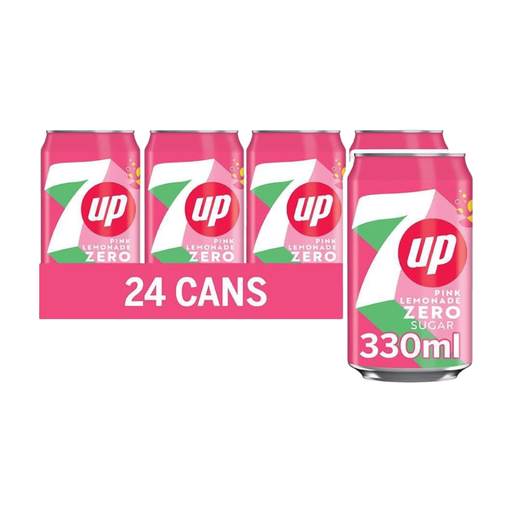 No image available
A lemonade alternative to cola in a 24-can pack. If avoiding caffeine or particular sweeteners matters, check the current pack’s wording and ingredients; the stated product limitations also flag acids and a phenylalanine statement.
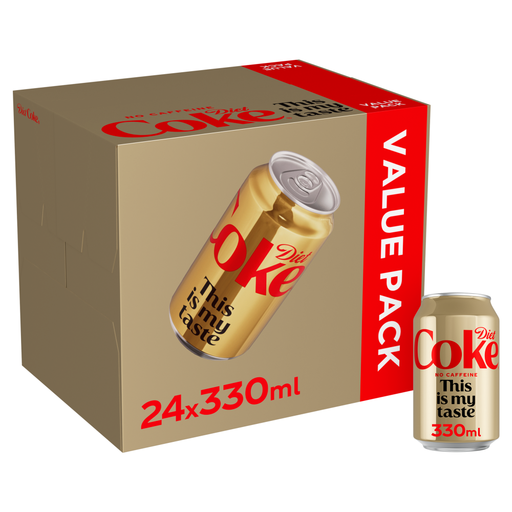 No image available
A cola option explicitly named No Caffeine, supplied as 24 cans of 330ml. For a sugar or ingredient requirement, check the current nutrition panel, sweeteners and phenylalanine statement rather than relying on the product name alone.
 No image available
For a cola-style drink when you want a variant explicitly named Caffeine Free. The pack contains 24 cans of 330ml; check its current sugar value, sweeteners and phenylalanine statement if those details affect your choice.
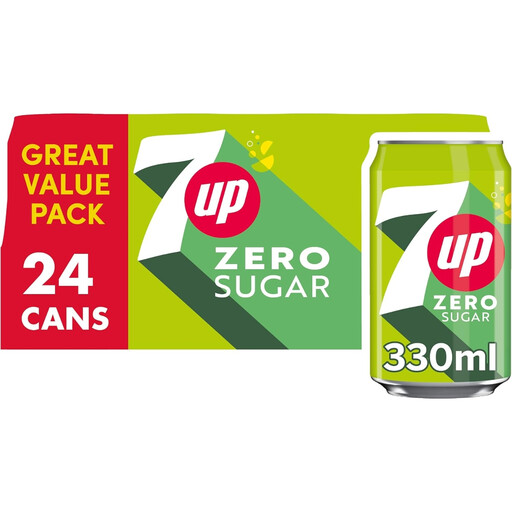 No image available
A lemon-and-lime option rather than cola, supplied as 24 cans of 330ml. Check the exact pack’s caffeine wording, nutrition panel and ingredients; its stated limitations flag acids, sweeteners and a phenylalanine statement.
 No image available
A cola choice for when caffeine is acceptable, supplied as 24 cans of 330ml. Coca-Cola Great Britain lists 0g sugars per 100ml and caffeine flavouring for Coca-Cola Zero Sugar; check the current pack for ingredients and its phenylalanine statement.
No. Coca-Cola Great Britain lists 0g sugars per 100ml for Sprite Zero but 0.4g per 100ml for Fanta Fruit Twist Zero. Read ‘of which sugars’ on the exact drink’s nutrition panel instead of comparing names alone.
No. Coca-Cola Great Britain lists caffeine flavouring in Coca-Cola Zero Sugar, and Pepsi UK lists flavourings including caffeine in Pepsi Max. If you want to avoid caffeine, check for an explicitly caffeine-free variant and read its current label.
Water is the more suitable drink to keep on hand throughout revision. Wirral Community Health and Care NHS Foundation Trust says most drinks should be water or milk and notes that fizzy drinks may contain acids harmful to teeth, including when they are sugar-free.
Some zero-sugar variants list aspartame and carry a phenylalanine statement. If you need to avoid a particular ingredient, read the ingredient list and statement on the current can or bottle rather than relying on another variant’s label.
A retail product name does not establish whether a school may provide that drink. The Department for Education’s school-food guidance concerns food and drink provided in state-funded schools in England, whereas Department of Health and Social Care HFSS promotion guidance concerns qualifying businesses selling to England. Check the rules for the relevant UK nation and the school’s policy for the particular setting.