Students avoiding caffeine at lunch
If you want a cola before later lectures or evening study without caffeine, look for a specifically named caffeine-free variant. Coca-Cola GB and Pepsi UK distinguish these from their standard zero-sugar colas.


For a lecture lunch, choose by the exact drink label: compare sugars per 100ml, check whether it contains caffeine, and pick a pack size you can carry or use as planned. A caffeine-free cola suits someone avoiding caffeine later in the day; a lemon-and-lime drink offers a non-cola alternative. The NHS notes that the acids in carbonated drinks remain a consideration even when they contain no sugar.
The useful distinction for a university lunch is often what you want to avoid, as well as which flavour you want.
If you want a cola before later lectures or evening study without caffeine, look for a specifically named caffeine-free variant. Coca-Cola GB and Pepsi UK distinguish these from their standard zero-sugar colas.
Compare the nutrition panel for the precise flavour rather than treating every zero-sugar or no-added-sugar name as a promise of 0g sugars. Listed values can differ between drinks and variants.
A multipack or large bottle makes more sense when you have a plan for the remaining servings. Tesco says its cited 2-litre Cream Soda should be consumed within three days of opening.
Start with the exact flavour and its label, then consider caffeine and how you will use the pack.
| Priority | What to check | Your needs |
|---|---|---|
| Listed sugars | Compare sugars per 100ml and the amount you intend to drink. Check the exact flavour, including whether its ingredients contain juice. | I want to know what is in this particular drink, not rely on the range name. Coca-Cola GB lists 0g sugars per 100ml for Sprite Zero but 0.4g per 100ml for Fanta Fruit Twist Zero. |
| Caffeine | Look for an explicit caffeine-free variant and read its ingredients. Standard Coca-Cola Zero Sugar and Pepsi Max list caffeine on their respective brand pages. | With lectures or study later, I would rather not add caffeine at lunch. NHS Every Mind Matters notes that caffeine in some soft drinks can make you feel more awake. |
| Acids and sipping | Do not assume a sugar-free carbonated drink is free of dental considerations. Consider whether you will drink it with lunch or sip it throughout the day. | I want a fizzy drink with lunch, not something to sip continuously between lectures. The NHS associates carbonated drinks with dental erosion because of their acid content, regardless of sugar or sweeteners. |
| Ingredients | Check the exact variant for sweeteners, a phenylalanine warning and any ingredients relevant to you. | If I need to avoid a particular ingredient, I need the label for the drink I am buying, rather than an assumption about the whole brand. |
| Pack size | Compare a single-serve can with a multipack or large bottle. Check storage instructions and any guidance for using an opened bottle. | A can is straightforward to take to one lunch; a large bottle suits me better if I can store it and use the remaining servings. |
Recipes differ. Coca-Cola GB lists 0.4g sugars per 100ml for Fanta Fruit Twist Zero, while its Sprite Zero page lists 0g per 100ml.
Read the nutrition panel for the precise flavour and compare the same quantity.
Standard Coca-Cola Zero Sugar and Pepsi Max list caffeine; their separately named caffeine-free variants serve a different need.
If you are avoiding caffeine, look for the caffeine-free designation and check the ingredients on the pack.
The NHS associates carbonated drinks with dental erosion due to their acid content, whether they contain sugar or sweeteners.
Keep water available for drinking throughout the lecture day rather than repeatedly sipping a fizzy drink.
A 2-litre bottle leaves further servings to store and use. Tesco instructs customers to consume its cited Cream Soda within three days of opening.
Choose the bottle when you have planned repeat servings or are sharing it; otherwise, consider a smaller serving.
These examples show why the exact variant matters; a brand name alone does not establish its sugar or caffeine content.
Coca-Cola GB distinguishes standard Coca-Cola Zero Sugar from Coca-Cola Zero Sugar Caffeine Free.
Pepsi UK lists both Pepsi Max and Pepsi Max Caffeine-Free, each with 0g sugars per 100ml on its cited product page.
Coca-Cola GB lists Sprite Zero as a lemon-and-lime drink with 0g sugars per 100ml.
Fanta has flavour-specific options whose listed sugars need checking individually.
Tesco lists Dr Pepper Zero as a fruit-flavoured soft drink with 0g sugars per 250ml serving.
Tesco lists own-label no-added-sugar Cream Soda and Cloudy Lemonade in 2-litre bottles.
These Joybuy options are canned cola, citrus and apple-flavoured drinks for a lecture lunch. Compare the exact variant and pack size before choosing.
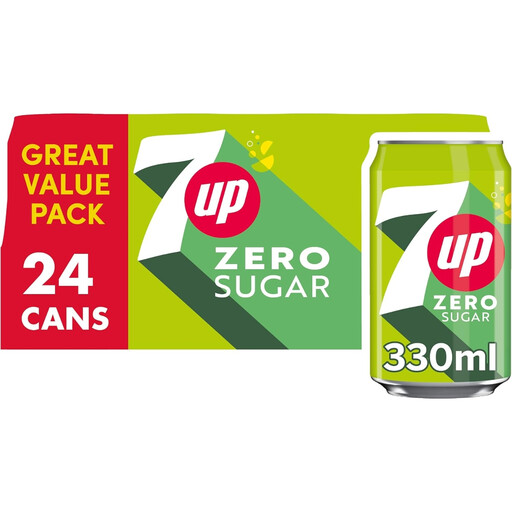 No image available
A lemon-and-lime option if you would rather take a non-cola drink to lunch. The pack contains 330ml cans; check the current label for ingredients relevant to you.
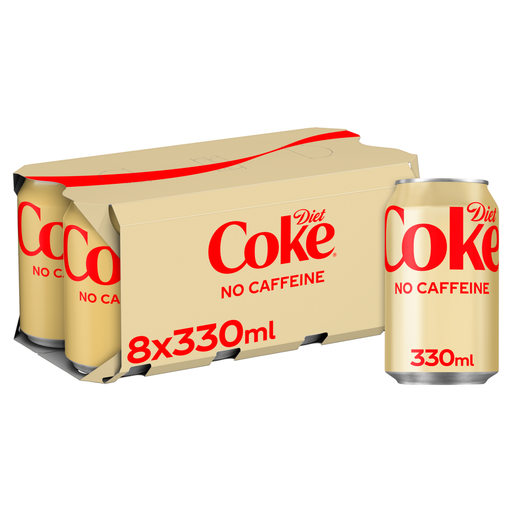 No image available
A cola option to consider when you want to avoid caffeine at lunch. The named variant is Caffeine Free, supplied as eight 330ml cans; confirm the exact pack label when buying.
 No image available
A caffeine-free cola variant to consider for repeat lunches or sharing. The 24-can pack contains 330ml cans, so plan where to keep the remaining servings.
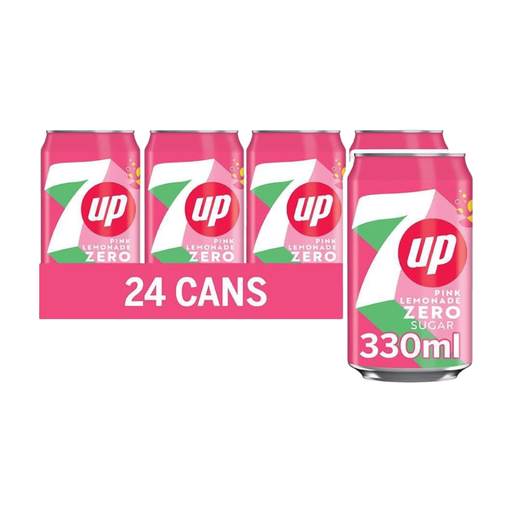 No image available
A canned lemonade option for a non-cola lunch drink. Check the exact flavour on the pack before choosing: the product information also identifies a pink lemonade variant.
 No image available
An apple-flavoured option if you prefer fruit flavours to cola or citrus. The pack contains 24 cans of 330ml; if you are avoiding caffeine, check its status on the current pack label before buying.
No. Tesco labels its Cloudy Lemonade no added sugar but lists 0.2g sugars per 100ml; its Cream Soda lists 0g per 100ml. Compare the nutrition panel for the exact drink.
No. Standard Coca-Cola Zero Sugar and Pepsi Max list caffeine, while Coca-Cola Zero Sugar Caffeine Free and Pepsi Max Caffeine-Free are separately named variants. Check the pack if avoiding caffeine matters to you.
No. The NHS associates carbonated drinks with dental erosion because of their acid content, regardless of whether they contain sugar or sweeteners. Water is a practical choice to keep on hand between lectures.
Check the exact drink label for aspartame and a warning that it contains a source of phenylalanine; do not assume that a zero-sugar name establishes suitability for phenylketonuria (PKU).
It is easier to plan around a 2-litre bottle if you are sharing it or will use further servings. Tesco says its cited No Added Sugar Cream Soda should be consumed within three days of opening; for a single lunch, consider whether a can is easier to carry.