Marathon trainees avoiding added sugar
A zero-sugar drink may fit your preference for fluid during training. For longer sessions, check its carbohydrate content and decide where any separate fuel will come from.


A zero-sugar sports drink can be your fluid choice, but do not assume it will supply carbohydrate for a marathon-training long run: Asda’s Lucozade Sport Zero Sugar Orange & Peach listing shows 0.1 g carbohydrate per 100 ml. The UK Sports Institute says carbohydrate needs rise as exercise gets longer and harder, so plan another carbohydrate source if your chosen drink contributes little.
The useful distinction is whether the drink needs to provide carbohydrate as well as fluid.
A zero-sugar drink may fit your preference for fluid during training. For longer sessions, check its carbohydrate content and decide where any separate fuel will come from.
If you do not need carbohydrate from your drink, a hydration-led option may suit the session. Asda and Tesco describe their Lucozade Sport Zero Sugar listings as designed for low-intensity exercise.
Choose deliberately between a drink that contributes carbohydrate and a low-carbohydrate drink paired with another source. The UK Sports Institute notes that carbohydrate needs increase with exercise duration and intensity.
Start with the carbohydrate the prepared drink supplies, then check its ingredients, electrolytes and intended use against the session you have planned.
Consider it when: You want a hydration-led drink and have planned another carbohydrate source for longer runs.
Trade-off: Asda lists just 0.1 g carbohydrate per 100 ml for Lucozade Sport Zero Sugar Orange & Peach, so that drink contributes very little carbohydrate.
Consider it when: You want the drink itself to contribute carbohydrate alongside fluid; Gatorade UK describes Hydration Booster as containing carbohydrate and electrolytes.
Trade-off: Gatorade UK calls Hydration Booster low sugar, which does not establish that it meets a strict no-added-sugar preference. Check the ingredients and prepared serving.
| Priority | What to check | Your needs |
|---|---|---|
| Sugar and fuel | Compare carbohydrate and sugars per 100 ml and per serving. Read the ingredients if avoiding added sugar is essential; “low sugar” and “no added sugar” are different claims. | I want to avoid added sugar, but I also need to know whether my long-run carbohydrate will come from the drink or something else. |
| Electrolytes and serving | Check the declared sodium or other electrolytes. For a powder, follow its preparation directions and compare nutrients for the amount you will actually drink. | A drink with declared electrolytes matters to me, and I want to compare the serving I will use rather than the pack front alone. |
| Type of session | Check the product’s stated exercise use and carbohydrate content. The UK Sports Institute says longer and harder exercise increases carbohydrate needs. | For an easy run, I may only want a hydration-led drink; for a long or hard session, I need a deliberate fuel plan. |
Asda lists 0.1 g carbohydrate per 100 ml for Lucozade Sport Zero Sugar Orange & Peach. The UK Sports Institute says carbohydrate needs rise as exercise becomes longer and harder.
Before a long run, decide whether your drink supplies carbohydrate. If it contributes little, plan and practise a separate source that suits you.
A low-sugar description does not, by itself, answer whether sugar has been added. Gatorade UK describes Hydration Booster as low sugar and as containing carbohydrate.
If avoiding added sugar is a firm requirement, read the ingredients and nutrition panel for the particular flavour and serving.
Asda and Tesco position their Lucozade Sport Zero Sugar listings for low-intensity exercise. A sports-drink label alone does not tell you how much carbohydrate the drink provides.
Match the drink’s stated use and nutrition information to the session, especially when training gets longer or harder.
The particular flavour and serving matter when checking sugars, carbohydrate, sweeteners and electrolytes.
Read the label on the bottle or sachet you intend to use, and practise preparing a powder as directed before relying on it for a key session.
These examples illustrate different label and fuelling checks; a brand name alone does not establish the nutrition of every flavour or product line.
Its Zero Sugar listings provide an example of a hydration-led drink positioned for low-intensity exercise.
Gatorade UK describes Hydration Booster as a low-sugar mix containing carbohydrate and electrolytes.
Powerade describes a Zero Mixed Berry drink with 0 g sugars and carbohydrate on its non-UK product page.
This ready-to-drink option fits the hydration-led route: if you use it on a longer or harder run, plan carbohydrate separately.
 No image available
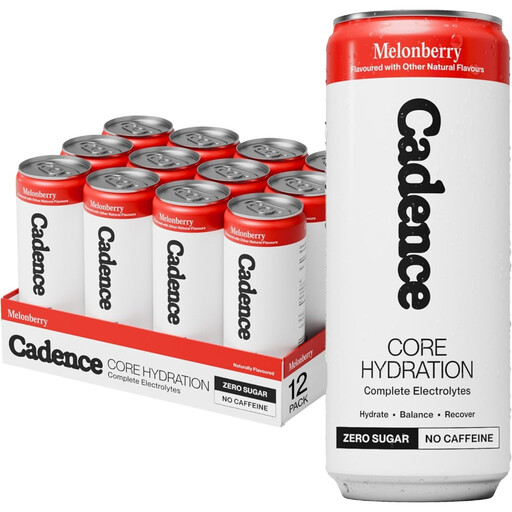
This ready-to-drink option is for a hydration-led choice rather than drink-based carbohydrate fuel. Its listed nutrition gives 0 g sugars and 0 g carbohydrate, and its description identifies electrolyte ingredients; check the current pack if you need a sodium amount for comparison. For a long or hard run, plan a separate carbohydrate source.
Not if you are relying on a drink that supplies virtually no carbohydrate for your fuel. Asda lists 0.1 g carbohydrate per 100 ml for Lucozade Sport Zero Sugar Orange & Peach, while the UK Sports Institute says carbohydrate needs rise with exercise duration and intensity. If you choose that drink for fluid, plan carbohydrate from another source.
No. “Low sugar” does not establish whether sugar has been added. Gatorade UK describes Hydration Booster as low sugar and containing carbohydrate; check its ingredients and nutrition panel if avoiding added sugar is essential to your choice.
Check sugars and carbohydrate per serving, the ingredients, declared electrolytes and the intended exercise use. For a powder, also check how to prepare the serving you will drink; use the current pack label when making your choice.
It can be a hydration-led choice when you do not need the drink to supply carbohydrate. Asda and Tesco describe their Lucozade Sport Zero Sugar listings as designed for low-intensity exercise; still check the particular drink’s label against what you want for that session.