
24/7 Customer Support

Free returns

Same-day & Next-day Delivery

Quality Guaranteed

Unlock Your Welcome Offers: FREE Delivery | Up to 80% OFF | Free 30-day JoyPlus trial
Download the APP
Choosing zero sugar drinks can seem straightforward until you compare labels closely. A brightly coloured can may say “zero”, while another bottle labelled “no added sugar” still contains naturally occurring sugars. Pack sizes, sweeteners, caffeine and dietary suitability can also make a noticeable difference to the value and practicality of your purchase.
This guide explains the key checks for UK shoppers and highlights suitable options for different households and drinking habits.
These terms are not interchangeable. Sugar-free soft drinks and zero-sugar products are formulated to contain little or no sugar, often using sweeteners instead. By contrast, no added sugar drinks may still contain sugars naturally present in fruit juice or other ingredients.
Fruit Shoot Black & Apple, for example, is labelled no added sugar but lists 0.7g of sugars per 100ml. Some squash products also contain fruit juice and therefore should not automatically be treated as zero-calorie drinks.
Removing sugar does not mean removing all sweetening ingredients. Common sweeteners include sucralose, acesulfame K, aspartame, cyclamates, steviol glycosides and erythritol. People with specific dietary or medical requirements should read the full ingredients list rather than relying only on the front-of-pack wording.
Products containing aspartame must carry a source-of-phenylalanine statement. Squashes containing sulphites also require attention from consumers who are sensitive to them.
Cola, energy drinks and some teas may contain caffeine. A zero-sugar energy drink can still have a substantial caffeine content. For example, CELSIUS Raspberry Peach lists 56mg of caffeine per 100ml, equal to 200mg in a 355ml can. Monster Original Green Zero Sugar lists 32mg per 100ml.
Check the caffeine declaration before buying for children, late-day consumption, pregnancy or breastfeeding, or anyone sensitive to caffeine.
The per-100ml information makes different products easier to compare, while the per-can or per-bottle figure shows what you will actually consume. Look at:
For instance, 7UP Zero 330ml lists 0g sugar and approximately 7 calories per can, while Tango Apple Sugar Free lists 0g sugar and 10 calories per 330ml can.
A soft drink multipack can be convenient for family meals, offices and events, but cans take more storage space and may provide more servings than you need. PET bottles are portable and resealable, although opened drinks may require refrigeration.
Squash is more flexible for households because one bottle can be diluted to taste. Always follow the dilution instructions, particularly when serving young children. Ready-to-drink iced tea, such as a 500ml Korean tea bottle, is convenient for commuting or lunch breaks but may be less economical than a multipack.
Vegans and vegetarians should look for a clear suitability statement and still check the ingredients. Some vegan soft drinks are fruit-flavoured fizzy drinks, while others are unsweetened green tea or sparkling lemon beverages.
Fans of Korean drinks may prefer peach oolong, peach Earl Grey or unsweetened tea. If you prefer a more traditional fizzy profile, consider cola, orange, lemon and lime, apple or lemon soda. For a fruitier household option, compare fruit squash no added sugar with ready-to-drink bottles.
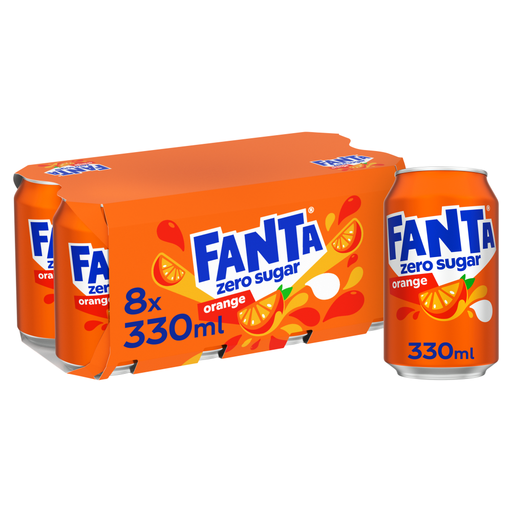
Why This Fits Their Persona: An eight-can format gives smaller households or first-time buyers a manageable way to try a familiar orange flavour without committing to a larger case.
The listing states 0.4g sugar and 3.1 calories per 100ml, so shoppers can distinguish it from standard sugary orange drinks.
Eight 330ml cans; orange flavour; no allergenic ingredients listed.
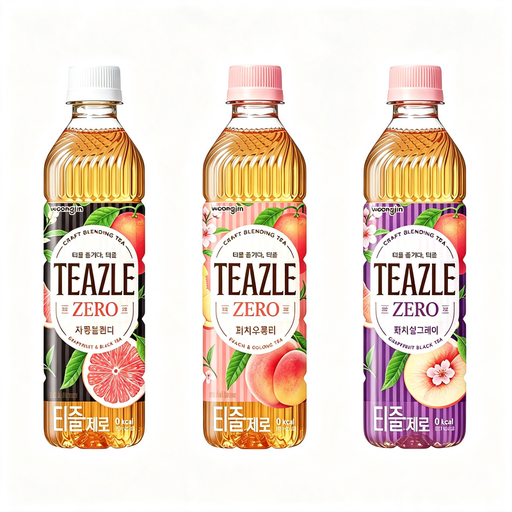
Why This Fits Their Persona: The mixed pack suits shoppers who want variety and an alternative to conventional diet fizzy drinks, with Korean-style peach and tea flavour combinations.
It is presented as sugar-free and zero-calorie, while the three-flavour format reduces the risk of buying a full case of one unsuitable taste.
Three 500ml ready-to-drink bottles; vegan-friendly; peach and tea flavour variety.
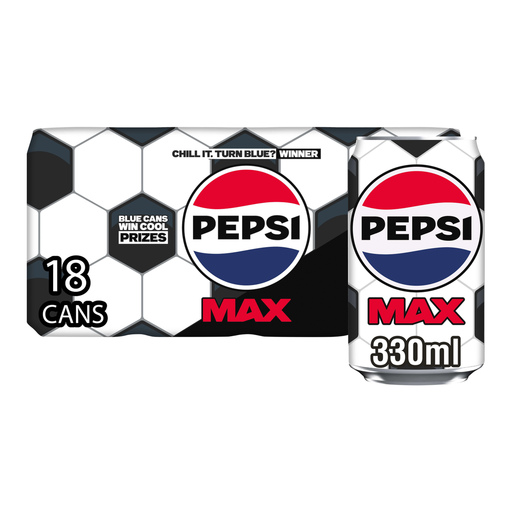
Why This Fits Their Persona: The 18-can case is suited to family fridges, office kitchens, gatherings and regular cola drinkers who value stock-up convenience.
The listing specifies 0g sugar and 1 calorie per 250ml serving, while also clearly declaring caffeine and phenylalanine information.
18 x 330ml cans; zero sugar; suitable for vegetarians.
For an unsweetened option, ITOEN Unsweetened Oi-Ocha Green Tea contains no sugar, artificial sweeteners or flavourings. For a portable fruit drink, Woongjin Nature's Marlin Peach Zero PET 500ml lists 0g sugar and less than 1 calorie per 100ml.
Families may prefer Fruit Shoot Black & Apple No Added Sugar 8x200ml, but note its naturally occurring sugars and the small-parts warning on the caps. If you want concentrated fruit flavour, Robinsons No Added Sugar Squash Summer Fruits requires dilution and contains sulphites.
We have compiled a complete, real-time list of products that fully satisfy these strict selection criteria and UK safety regulations.
No. Many contain very few calories, but not every zero-sugar drink is calorie-free. Fruit juice, carbohydrates or other ingredients can contribute energy. Check the per-100ml and per-serving nutrition panels.
Suitability depends on the product, ingredients and the child’s age. Some products contain caffeine or sweeteners with specific warnings. Check the packaging, follow dilution instructions for squash and avoid assuming that “no added sugar” means sugar-free.
Some do and some do not. Lemon and lime drinks such as 7UP Zero are listed as caffeine-free, while cola and energy drinks commonly contain caffeine. Always check the ingredients and caffeine statement before serving or buying in bulk.