
24/7 Customer Support

Free returns

Same-day & Next-day Delivery

Quality Guaranteed

Unlock Your Welcome Offers: FREE Delivery | Up to 80% OFF | Free 30-day JoyPlus trial
Download the APP
Choosing zero sugar drinks can make it easier to manage sugar and calorie intake, but the front of a bottle or can does not tell the whole story. “Zero”, “light”, “no added sugar” and “low sugar” are not interchangeable descriptions, and a drink that appears suitable for one routine may be a poor fit for another.
As the Joybuy Product Recommendation Officer, my aim is to help you filter out vague marketing language and compare the details that matter before ordering.
A low-sugar drink may still contain a noticeable amount of sugar. For example, the listed Suntory Oolong Tea Low Sugar contains 4.7g of sugars per 100ml. That equals approximately 23.5g in a 500ml bottle, so it should not be treated as a zero-sugar beverage.
For products making a sugar-free claim, check the nutrition panel rather than relying only on the product title. Under UK nutrition-claim rules, “sugars-free” generally refers to no more than 0.5g of sugars per 100ml. Always confirm the current packaging, as formulations may change.
Many sugar-free soft drinks and teas contain very little energy, but they may include sweeteners, caffeine or acids. “Zero calorie” describes energy content; it does not automatically make a drink suitable for every occasion or personal preference.
Some cola products contain aspartame, which is a source of phenylalanine. People with phenylketonuria should follow the relevant label warning. Caffeinated drinks may also be unsuitable close to bedtime or for people who choose to limit caffeine.
A single 500ml bottle is useful for commuting, gym bags or a packed lunch, while a 12- or 18-can case may offer more convenience at home. However, large packs require suitable storage and should be compared by price per litre, not simply by the headline price.
Also check whether a product needs refrigeration, whether it is ready to drink, and the best-before information before buying in bulk.
Look for:
For example, Coca-Cola Zero Sugar lists 0g sugars and 1 kcal per 330ml can, while the zero-sugar Suntory Oolong Tea lists 0 kcal and 0g sugars per 100ml. These are useful objective comparisons, but taste and ingredient preferences remain personal.
Sugar-free drinks commonly use sweeteners such as sucralose, acesulfame-K, steviol glycosides or aspartame. If you prefer to avoid a particular ingredient, inspect the full ingredients list.
Do not assume that every zero-sugar drink is identical. Tea-based products may contain tea extracts and caffeine, while fruit-flavoured drinks may include acids, preservatives and colouring. For vegan drinks, look for a clear vegan or vegetarian suitability statement, but still check the packaging if your dietary requirements are strict.
Choose ready-to-drink tea when convenience matters and there is no access to a kettle or refrigerator. A 500ml PET bottle suits work, travel and outdoor use. Multipacks of cans or 1.25-litre bottles can be more practical for households, meals or gatherings.
For a broader calorie-controlled shopping plan, zero sugar drinks can sit alongside meal replacement shakes, protein bars and healthy snacks. These products should not be judged by the drink criteria alone: compare their energy, sugar, protein, fibre, allergens and recommended serving sizes separately.
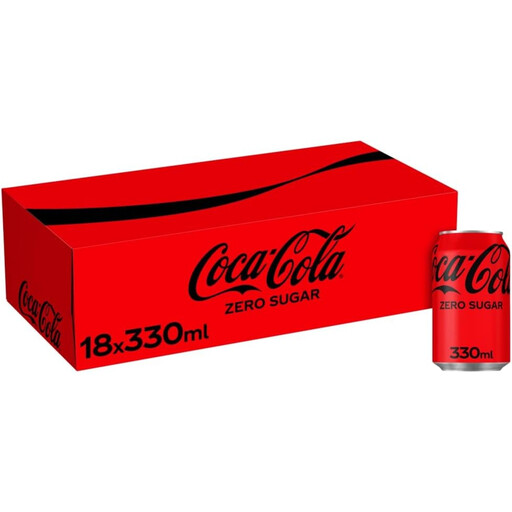
Why This Fits Their Persona: An accessible multipack for shoppers who want familiar zero sugar cola for meals, home use or sharing without individual can purchases.
The listed nutrition information states 0g sugars and 1 kcal per 330ml can, making the serving size clear.
18 x 330ml format; suitable for vegans and vegetarians according to the product information.
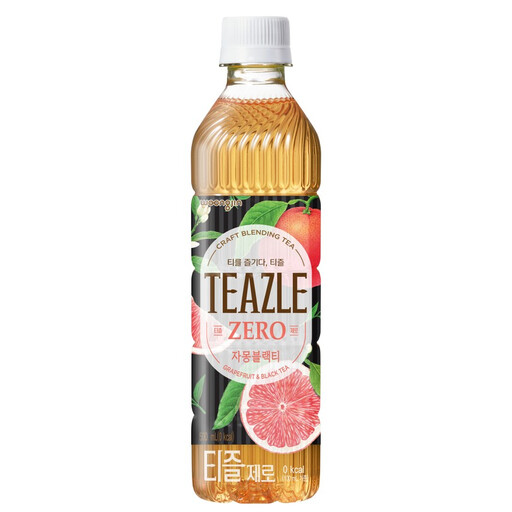
Why This Fits Their Persona: A Korean iced tea option for shoppers who prefer a citrus and black tea profile over conventional fizzy drinks.
The product description specifies a sugar-free, zero-calorie 500ml ready-to-drink format rather than leaving the serving size unclear.
Grapefruit and black tea flavour; vegan-friendly according to the supplied product information.

Why This Fits Their Persona: A 15-bottle case suits regular tea drinkers, office storage and shoppers who want ready-to-drink oolong tea without brewing.
It is clearly separated from the low-sugar version and lists 0g sugars and 0 kcal per 100ml.
500ml bottles; oolong tea leaves and ready-to-drink convenience.
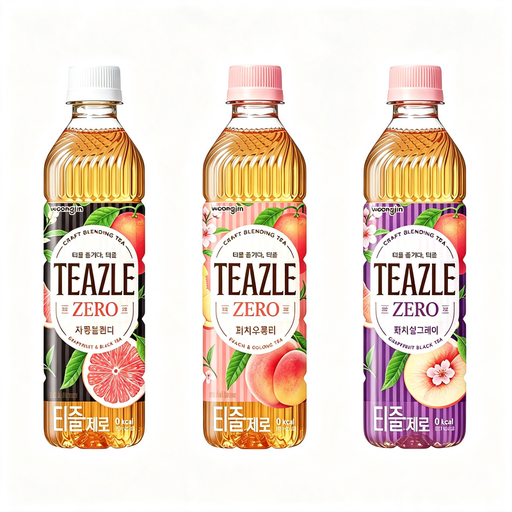
Why This Fits Their Persona: A practical choice for shoppers who want to compare peach and Earl Grey, oolong and grapefruit black tea flavours in one purchase.
The mixed pack reduces the risk of committing to a full case before discovering which flavour suits your taste.
Three 500ml bottles; the supplied description identifies the drinks as sugar-free, zero-calorie and vegan-friendly.
We have compiled a complete, real-time list of products that fully satisfy these strict selection criteria and UK safety regulations.
Not necessarily in an absolute chemical sense. UK “sugars-free” claims are subject to a permitted threshold per 100ml. Check the current nutrition panel for the exact value, especially if you are comparing imported products or different flavours.
They can provide a lower-energy alternative to sugary soft drinks, but the wider diet still matters. Check caffeine, sweeteners and serving size, and do not treat a zero-calorie drink as a replacement for balanced meals. Meal replacement shakes and protein bars have different nutritional purposes and should be assessed separately.
Follow the product label. Unopened bottles and cans are generally stored in a cool, dry place away from direct sunlight. Chill before serving where indicated, and refrigerate opened products if the packaging advises it. Always check the best-before date and consume promptly after opening.