Adults looking for a sugar-free caffeinated drink
If you want caffeine before training without sugar in the drink, compare the caffeine stated for the entire can. A zero-sugar label alone says nothing about how much caffeine a serving contains.


A zero-sugar energy drink may suit an adult who wants caffeine without sugar, but it is not a substitute for a carbohydrate-containing snack when food fuel is needed before training. The British Dietetic Association identifies carbohydrate as the main fuel for exercising muscles; if choosing a caffeinated drink, compare the dose in the whole can and account for other caffeine consumed that day.
If you want caffeine before training without sugar in the drink, compare the caffeine stated for the entire can. A zero-sugar label alone says nothing about how much caffeine a serving contains.
If you have not eaten before a demanding session, consider a carbohydrate-containing snack or light meal rather than treating a zero-sugar drink as the snack. The British Dietetic Association identifies carbohydrate as the main fuel for exercising muscles.
Pregnancy, caffeine sensitivity and caffeine from other drinks or supplements change the purchase decision. The NHS advises a maximum of 200 mg caffeine a day during pregnancy, counting energy drinks alongside other sources.
Decide whether you need a drink or food fuel first, then check the sugar declaration, can size and caffeine amount on the exact product.
| Priority | What to check | Your needs |
|---|---|---|
| Caffeine per can | Read the caffeine amount for the full container, not just per 100 ml. Red Bull states 80 mg in a 250 ml Red Bull Zero can; Monster Energy states 150 mg in a 500 ml Monster Ultra can. Check the exact pack, as product figures can vary by region. | I want to know how much caffeine I would consume if I drank the whole can, alongside any coffee, tea or supplements that day. |
| Sugar and drink type | Check the exact drink’s sugar declaration and whether caffeine is listed. Red Bull Zero and Monster Ultra are stated to be sugar-free; the Lucozade Zero range is described as zero sugar, but its range information does not establish a caffeine dose. | A flavoured drink without sugar may be enough for me; if I specifically want caffeine, I need to check that separately. |
| Food fuel and timing | Consider when you last ate and what the session involves. The British Dietetic Association advises a low-fat, carbohydrate-rich snack or light meal two to three hours before exercise. University College London Hospitals also describes a carbohydrate-and-protein snack 60–90 minutes beforehand when an earlier meal was missed. | If I am heading into training without a recent meal, a zero-sugar can will not serve the same purpose as food. |
| Caffeine warnings | Read the pack warning and caffeine quantity. The NHS advises no more than 200 mg caffeine a day during pregnancy, including energy drinks. Check other caffeine sources and whether a product’s warnings apply to you. | I need to consider sensitivity, pregnancy guidance or other caffeine I have already consumed before choosing a can. |
A zero-sugar energy drink does not provide the carbohydrate you may need from food before a demanding session. The British Dietetic Association identifies carbohydrate as the main fuel for exercising muscles.
If your session and eating schedule call for food, plan a carbohydrate-containing snack or light meal; consider a caffeinated drink separately.
Red Bull lists 80 mg caffeine in a 250 ml Red Bull Zero can, while Monster Energy lists 150 mg in a 500 ml Monster Ultra can. Both are described as sugar-free, but their whole-can caffeine amounts differ.
Check the caffeine declaration on the exact can and include other caffeine you consume that day.
“Zero” may describe sugar or calories rather than caffeine. Lucozade describes its Zero range as zero sugar; that description alone does not tell you the caffeine amount of an individual drink.
Check the exact product label if caffeine content matters to your choice.
A sugar-free drink can still contain caffeine. The NHS advises a maximum of 200 mg caffeine a day during pregnancy. Separately, the Department of Health and Social Care and Department for Education say England’s ban on sales of high-caffeine energy drinks to under-16s is due to take effect in April 2027.
Read caffeine quantities and warnings, and consider any guidance or age restrictions relevant to the purchase.
Red Bull offers Zero and Sugarfree variants. Its Red Bull Zero information specifies a sugar-free 250 ml can with 80 mg caffeine.
Monster Energy describes its Ultra zero-sugar drink as containing 150 mg caffeine and 0 g sugar per 500 ml can.
Lucozade describes its Zero range as flavoured, zero-sugar soft drinks.
Relentless sells caffeinated energy drinks, and its promotional information identifies a Zero Sugar Raspberry variant.
Tesco’s energy-drink category lists Red Bull Zero, Red Bull Sugarfree and Monster zero-sugar products.
These Joybuy options are zero-sugar energy drinks for shoppers considering caffeine before training. Compare the exact pack and its whole-can caffeine declaration; choose food separately if you need a pre-workout snack.
 No image available
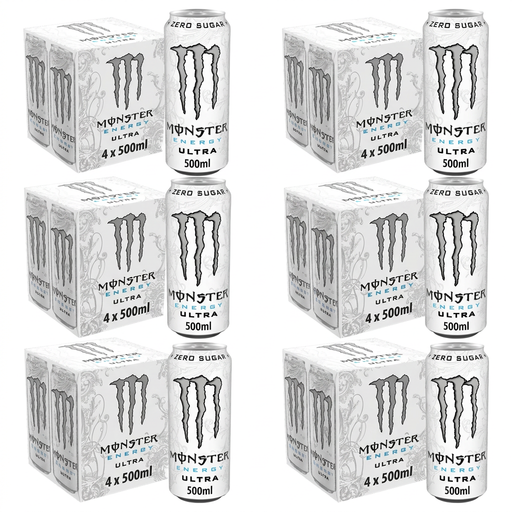
For shoppers considering a larger zero-sugar can before training, Monster Energy states that its Ultra 500 ml variant contains 0 g sugar and 150 mg caffeine per can. This pack is labelled 6x4x500ml; check the exact cans’ declarations, and plan food separately if you need a snack.
 No image available
A sugar-free option in 250 ml cans for shoppers who prefer a smaller container. Check this Sugarfree variant’s own caffeine declaration before comparing it with Red Bull Zero or other drinks; the pack contains four cans.
 No image available
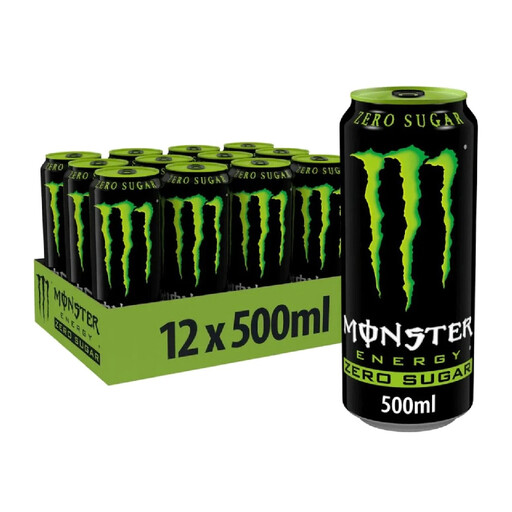
A 12-can zero-sugar option if you are comparing energy-drink variants before training. Read the exact Green Zero Sugar can for its size and whole-can caffeine amount rather than using figures stated for Monster Ultra.
Not if you need food fuel before exercise. The British Dietetic Association identifies carbohydrate as the main fuel for exercising muscles and advises a low-fat, carbohydrate-rich snack or light meal two to three hours before exercise; a zero-sugar caffeinated drink serves a different purpose.
Red Bull states that a 250 ml Red Bull Zero can contains 80 mg caffeine, while Monster Energy states that its 500 ml Ultra can contains 150 mg. Both are described as sugar-free. Compare the whole-can amount on the exact pack and account for other caffeine consumed that day.
No. “Zero” may describe sugar or calories, not caffeine. Lucozade describes its Zero range as zero sugar, so check an individual product’s label if you need to know whether it contains caffeine and how much.
Yes, if it contains caffeine. The NHS advises no more than 200 mg caffeine a day during pregnancy and includes energy drinks among caffeine sources. Check the can and include caffeine from other drinks and foods in the daily total.
The Department of Health and Social Care and Department for Education say the ban on selling high-caffeine energy drinks to under-16s in England is due to take effect in April 2027. It is intended to cover shops, vending machines and online sales; that announcement does not establish the rules elsewhere in the UK.