Shoppers reducing sugar
If you want an energy drink with little or no sugar, check the sugar declaration alongside caffeine for the whole can. Neither the word ‘diet’ nor ‘zero’ tells you the caffeine dose.


Choose a zero-sugar energy drink for weekend breakfast if reducing sugar is your priority, but compare caffeine for the whole can before buying: zero sugar does not mean caffeine-free. Red Bull states that its 250ml Sugarfree can contains 80mg caffeine, while Monster Energy UK lists 150mg for a 500ml Ultra can; choose the larger serving only if that amount is intentional.
A diet or zero-sugar label helps identify a sugar-reduction option, but can size and caffeine matter separately at breakfast.
If you want an energy drink with little or no sugar, check the sugar declaration alongside caffeine for the whole can. Neither the word ‘diet’ nor ‘zero’ tells you the caffeine dose.
If a 250ml can suits your plans, Red Bull states that Sugarfree contains 80mg caffeine per can. Tesco lists the same caffeine amount for a 250ml Lucozade Alert Zero Mango Peachade can.
Pregnancy, sensitivity to caffeine and the retailer’s age policy can change whether an energy drink is an appropriate purchase. The NHS advises a total of no more than 200mg caffeine a day during pregnancy; Sainsbury’s says it does not sell high-caffeine energy drinks to under-16s.
Start with the sugar and caffeine declarations for the can you intend to drink, then consider whether a caffeinated drink fits the occasion.
| Priority | What to check | Your needs |
|---|---|---|
| Sugar | Read the sugars figure for the whole can, not just ‘diet’ or ‘zero’ on the front. Check the ingredients if particular sweeteners matter to you. | I want to reduce sugar at breakfast without assuming that a zero-sugar drink contains less caffeine. |
| Caffeine and can size | Compare caffeine per can as well as can size. Red Bull lists 80mg in a 250ml Sugarfree can; Monster Energy UK lists 150mg in a 500ml Ultra can. | A smaller, stated serving may suit me better than a larger can if I do not want the higher whole-can caffeine amount. |
| Breakfast plans | Decide whether you want a caffeinated beverage with breakfast or no energy drink. Do not use the drink choice to address persistent, unexplained tiredness. | If I am choosing a drink because I keep feeling tired, I need to consider the tiredness itself, not just the can. |
| Pregnancy and age | During pregnancy, count caffeine from other sources towards the NHS limit of 200mg a day. For an under-16 purchase, check the retailer’s current policy and the rules where you are buying. | I need to know whether the whole-can caffeine amount fits my circumstances, or whether an age restriction affects the purchase. |
Sugar and caffeine are separate declarations. Monster Energy UK lists 150mg caffeine in a 500ml Ultra can despite its zero-sugar description.
Find the caffeine amount for the whole can before deciding whether it suits breakfast.
A larger can can mean a different whole-can serving: Red Bull states 80mg caffeine for 250ml Sugarfree, while Monster Energy UK lists 150mg for 500ml Ultra.
Choose the caffeine amount you intend to have, then compare the available can sizes.
The NHS notes that persistent or unexplained tiredness can be a sign of an underlying problem. Changing drinks does not establish its cause.
If tiredness continues or affects daily life, speak to a GP rather than repeatedly increasing caffeine.
Sainsbury’s states that it does not sell high-caffeine energy drinks to under-16s. Separately, the UK government has announced an England sales ban from April 2027; that announcement does not make it a current, UK-wide statutory rule.
Check the retailer’s policy and the rules applicable where the purchase takes place.
These references concern the named drinks and listings, not every product made by each brand.
Red Bull Sugarfree is a 250ml option when you want a specified whole-can caffeine amount.
Monster Ultra is a 500ml zero-sugar option for someone deliberately choosing a larger can.
Lucozade Alert Zero Mango Peachade is another named 250ml option.
Relentless Zero Sugar Raspberry is a named 500ml alternative to consider when comparing larger cans.
These canned energy drinks come in different sizes and pack formats. Compare sugar and caffeine for the individual can before choosing one for weekend breakfast.
 No image available
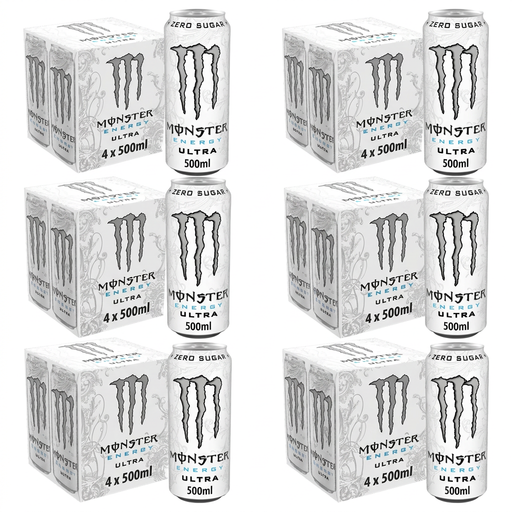
For a larger zero-sugar can at breakfast, account for the whole-can caffeine amount. Monster Energy UK lists 150mg caffeine for a 500ml Ultra can; this product is offered in a 6x4x500ml format.
 No image available
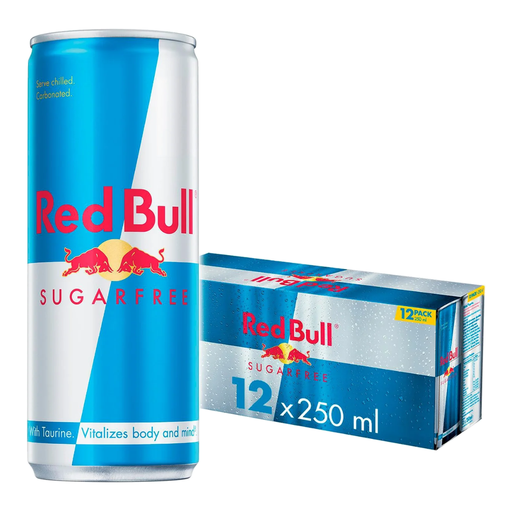
If you prefer a smaller can with a stated caffeine amount, Red Bull says each 250ml Sugarfree can contains 80mg caffeine. This product is a 12-can pack; consider the pack quantity as well as the serving you intend to drink.
 No image available
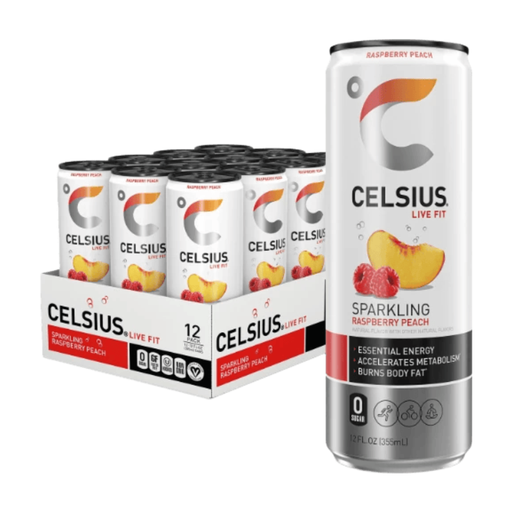
If you are considering this Raspberry Peach 12x355ml pack for breakfast, check its sugar and whole-can caffeine declarations before comparing it with the 250ml and 500ml options.
No. Zero sugar describes sugar content, not caffeine. Monster Energy UK lists 150mg caffeine in a 500ml Ultra can, while Tesco lists 80mg in a 250ml Lucozade Alert Zero Mango Peachade can.
Choose by the caffeine amount you intend to drink, not size alone. Red Bull states that its 250ml Sugarfree can contains 80mg caffeine; Monster Energy UK lists 150mg for a 500ml Ultra can. Neither amount describes every drink sold in that size.
Treat it as a drink rather than your breakfast plan. If you are reaching for energy drinks because you remain tired without a clear reason, the NHS notes that persistent tiredness can signal a problem; speak to a GP if it continues or affects daily life.
Check total daily caffeine, not sugar alone. The NHS advises no more than 200mg caffeine a day during pregnancy, so count caffeine from other drinks and foods as well as any energy drink, and read the product’s own warnings.
Retailer policy and statutory rules must be distinguished. Sainsbury’s says it does not sell high-caffeine energy drinks to under-16s. The UK government has announced an under-16 sales ban for high-caffeine energy drinks in England from April 2027; that future England measure should not be treated as a current rule across the whole UK.