Shoppers reducing sugar in their drink
If you want a fizzy drink with your takeaway without choosing a regular-sugar energy drink, compare the sugar information for the exact variety. Sugar-free does not describe its caffeine content or acidity.


If you want less sugar in the drink alongside a Chinese takeaway, choose a clearly labelled sugar-free or zero-sugar option, then check the caffeine in the whole can. Red Bull states 80mg per 250ml Sugarfree can, while Monster states 150mg per 500ml Ultra can and 160mg per 500ml Absolutely Zero can. If you do not want caffeine with dinner, water is an alternative; check the label before assuming another zero-sugar drink is caffeine-free.
If you want a fizzy drink with your takeaway without choosing a regular-sugar energy drink, compare the sugar information for the exact variety. Sugar-free does not describe its caffeine content or acidity.
If you still want an energy drink, compare the dose in the container you will drink. Red Bull states 80mg caffeine in a 250ml Sugarfree can; Monster states 150mg in a 500ml Ultra can and 160mg in a 500ml Absolutely Zero can.
Water avoids the need to compare energy-drink caffeine amounts. If you are pregnant, the NHS advises no more than 200mg caffeine a day from all sources; high-caffeine drink labels also carry warnings for children and pregnant or breastfeeding women.
For a takeaway-night drink, choose the type of drink first, then compare the exact can’s sugar information, caffeine amount and label warnings.
| Priority | What to check | Your needs |
|---|---|---|
| Sugar | Check the named variety’s zero-sugar or sugar-free claim and its sugars per 100ml. Check the ingredients if a particular sweetener matters to you. | I want a fizzy drink with my takeaway without choosing a regular-sugar energy drink. |
| Caffeine per can | Compare milligrams in the complete can, not just per 100ml. Red Bull states 80mg per 250ml Sugarfree can; Monster states 150mg per 500ml Ultra can and 160mg per 500ml Absolutely Zero can. | A zero-sugar label is not enough for me: I also want to know how much caffeine I would drink. |
| Drink type | If you do not want an energy drink, consider water or another drink. Check a zero-sugar soft drink’s own label if avoiding caffeine matters; the name alone does not establish its caffeine content. | Perhaps I want a drink with dinner, but not an energy drink. |
| Carbonation | The NHS says the acid in carbonated drinks can contribute to dental erosion whether the drinks contain sugar or sweeteners. | I want to reduce sugar without assuming a fizzy zero-sugar drink removes every dental consideration. |
| Label warnings | Read the high-caffeine warning on the exact can. During pregnancy, the NHS advises no more than 200mg caffeine a day from all sources, including drinks, food and supplements. | If I am pregnant or buying for someone covered by a label warning, I need to account for more than this one drink. |
Red Bull’s 250ml Sugarfree can contains 80mg caffeine, while Monster states 150mg for a 500ml Ultra can and 160mg for a 500ml Absolutely Zero can. The sugar claim does not tell you the full-can caffeine dose.
Read the caffeine amount for the container you plan to drink, and include other caffeine you have that day.
The NHS says carbonated drinks can contribute to dental erosion because of their acid content, regardless of whether they contain sugar or sweeteners.
Use the sugar information to compare sugar, rather than treating it as a measure of acidity. Water is another option with your meal.
Can sizes and named varieties differ, so a multipack title alone may not answer how much caffeine is in one can.
Check the exact variety, can size, nutrition information and caffeine warning before buying a pack.
Its 250ml Sugarfree can is a smaller-can example for comparing sugar and caffeine.
Its named zero-sugar varieties provide 500ml energy-drink examples.
Lucozade Zero offers a zero-sugar soft-drink route rather than an energy-drink selection.
Relentless Origin is a useful contrast when checking whether a named drink is actually sugar-free.
These energy-drink options include smaller cans and multipacks for shoppers considering a sugar-free or zero-sugar drink with a Chinese takeaway. Check each named variety’s label, particularly when comparing caffeine across can sizes.
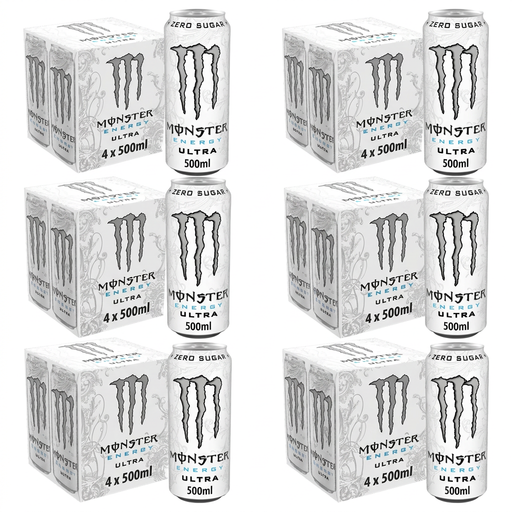 Image unavailable
This zero-sugar Ultra option comes as a case of 500ml cans. Monster Energy UK states 150mg caffeine per 500ml Ultra can; account for other caffeine consumed that day and check the exact pack before buying.
 Image unavailable
The 250ml cans offer a smaller serving when you want a sugar-free energy drink with your meal. Red Bull states 80mg caffeine per Sugarfree can; the smaller can is not caffeine-free.
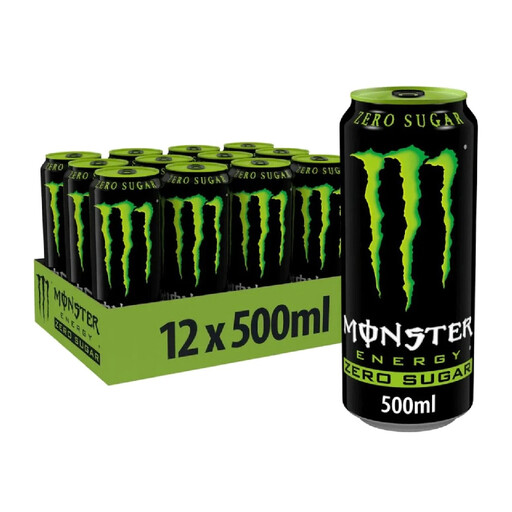 Image unavailable
This Green Zero Sugar option is sold as a 12-can pack. Check the exact cans’ size and caffeine information before deciding whether one can suits your plans for the evening.
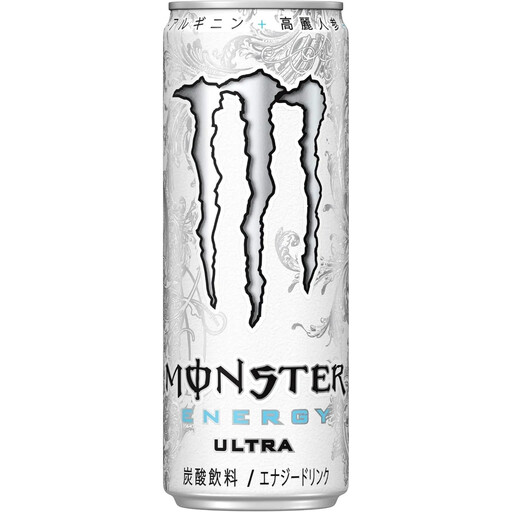 Image unavailable
The 355ml can offers a different serving size from the 250ml and 500ml examples. Check this Japan Version can’s sugar information, caffeine amount for the whole can and high-caffeine warning rather than applying figures from another Ultra variety.
No. Red Bull states 80mg caffeine per 250ml Sugarfree can, while Monster Energy UK states 150mg per 500ml Ultra can and 160mg per 500ml Absolutely Zero can. Compare caffeine for the complete can, not the sugar claim alone.
No. The NHS says carbonated drinks can be associated with dental erosion because of their acid content, whether they contain sugar or sweeteners. A zero-sugar claim addresses sugar, not acidity.
The NHS advises no more than 200mg caffeine a day during pregnancy. Count all sources, including coffee, tea, cola, energy drinks, chocolate and some supplements, rather than considering a takeaway-night drink on its own.