Choose a zero-sugar energy drink if avoiding sugars is your priority, but compare caffeine per whole can separately: zero sugar does not mean caffeine-free. Red Bull states that a 250 ml Sugarfree can contains 80 mg caffeine; Monster lists 150 mg for a 500 ml Ultra can, while Tesco lists 160 mg for its 500 ml product, so check the exact pack. If the film ends near bedtime, a non-caffeinated drink avoids the caffeine that NHS guidance says can make you feel more awake and affect sleep.
Who is this choice for?
A diet or zero-sugar label answers one part of the movie-night decision; serving size, sweeteners and caffeine may matter just as much.
Viewers avoiding sugars
If you want an energy drink without sugars, compare the label with your preference for sweeteners, can size and caffeine. Red Bull describes Sugarfree as containing no sugars, while Monster describes Ultra as zero sugar; neither description means caffeine-free.
Viewers choosing a smaller can
A documented 250 ml serving may make the amount in one can easier to compare with a 500 ml option. Red Bull states that Sugarfree contains 80 mg caffeine per 250 ml can; check the whole-can amount on any other product you are considering.
Viewers watching close to bedtime
If you plan to sleep soon after the film, consider a non-caffeinated drink instead. NHS guidance says caffeine in some drinks can make you feel more awake and affect sleep; removing sugar does not remove that consideration.
What should you check before buying?
Start with the sugars declaration, then compare the caffeine in the entire can you intend to drink and when the film ends.
| Priority |
What to check |
Your needs |
| Sugars and sweeteners |
Read the sugars value on the nutrition panel and the ingredients list. Distinguish zero sugar from no added sugars: a drink can have no added sugars and still contain sugars. |
I want to avoid sugars, not just added sugar. If sweetener choice matters to me, I also want to read the ingredients; Red Bull says Sugarfree uses sucralose and acesulfame K. |
| Caffeine per can |
Compare caffeine in mg for the full can, alongside its volume. Red Bull states 80 mg per 250 ml Sugarfree can; Monster states 150 mg per 500 ml Ultra can, while Tesco lists 160 mg for its 500 ml product. Check the exact pack. |
For one film, I want to know the caffeine in the amount I might actually drink, rather than assuming a zero-sugar label also means less caffeine. |
| Can size |
Check whether the can is 250 ml or 500 ml and whether the pack contains multiple cans. Compare the stated caffeine amount on the same whole-can basis. |
A smaller can may fit what I plan to drink during one film; if I choose a larger one, I want to account for the whole serving. |
| Time of day |
Check whether the drink contains caffeine and consider when you expect to go to bed. NHS guidance says caffeine can make you feel more awake and affect sleep. |
If the film finishes close to bedtime, avoiding caffeine matters more to me than finding a different zero-sugar energy drink. |
What is easy to overlook?
-
Reading “zero sugar” as “little caffeine”
Sugar and caffeine are separate label details. Red Bull states 80 mg caffeine for a 250 ml Sugarfree can; published figures for a 500 ml Monster Ultra can differ between Monster and Tesco.
Read both the sugars declaration and caffeine amount for the exact can, comparing caffeine for the full amount you intend to drink.
-
Comparing cans without checking their size
A 250 ml can and a 500 ml can are different servings, even when both drinks are described as zero sugar.
Check volume before comparing whole-can caffeine figures, and decide how much of the can you plan to drink during the film.
-
Choosing a caffeinated drink for a late film
Caffeine can make you feel more awake and affect sleep, according to NHS guidance. Switching to a zero-sugar energy drink does not remove caffeine.
If you expect to go to bed soon after the film, choose a non-caffeinated drink instead.
-
Assuming one online caffeine figure fits every pack
Monster’s UK Ultra page states 150 mg caffeine per 500 ml, while Tesco’s 500 ml listing states 160 mg. That difference matters if you are comparing amounts per can.
Use the label on the exact product you buy as the final check, particularly when counting caffeine from other drinks too.
Which brands are relevant?
These references concern particular drinks or ranges, not every product made by each brand.
Red Bull
Red Bull Sugarfree provides a documented smaller-can comparison: the brand states no sugars and 80 mg caffeine per 250 ml can.
- Red Bull says Sugarfree replaces sucrose and glucose with sucralose and acesulfame K.
- Sugarfree still contains caffeine, so its sugars declaration does not settle a late-evening choice.
Monster
Monster describes Ultra as a zero-sugar, 500 ml drink with a lighter-tasting citrus flavour.
- The 500 ml format offers a larger-can option for shoppers who want that serving size.
- Monster states 150 mg caffeine per 500 ml Ultra can, while Tesco lists 160 mg for its 500 ml product. Check the exact can before relying on either figure.
Relentless
Relentless names a 500 ml Zero Sugar Raspberry variant in its promotional-can information.
- The named variant gives shoppers a specific zero-sugar product to look for.
- Check the sugars and caffeine declarations on the particular can before comparing it with another drink.
Lucozade
Lucozade describes its Alert range as high in caffeine. That does not establish it as a diet or zero-sugar equivalent.
- The Alert range is relevant if you are comparing caffeinated drinks more broadly.
- Check the sugars and caffeine figures for the specific Alert product rather than assuming it matches a zero-sugar option.
Joybuy energy-drink options
These options include smaller and larger zero-sugar cans, plus a no-added-sugars drink that still contains sugars. All contain caffeine, so a non-caffeinated drink remains a separate choice for a film close to bedtime.
 No image available
Red Bull Sugarfree, 4 × 250 ml
A smaller zero-sugar can for comparing one movie-night serving. Red Bull states that Sugarfree contains 80 mg caffeine per 250 ml can and uses sucralose and acesulfame K in place of sugars. It is still a caffeinated drink.
View on Joybuy
 No image available
Monster Original Green Zero Sugar, 4 × 500 ml
A larger zero-sugar can for viewers who prefer a 500 ml serving. This variant contains caffeine; check its own pack label for the amount per can rather than applying a figure for Monster Ultra.
View on Joybuy
 No image available
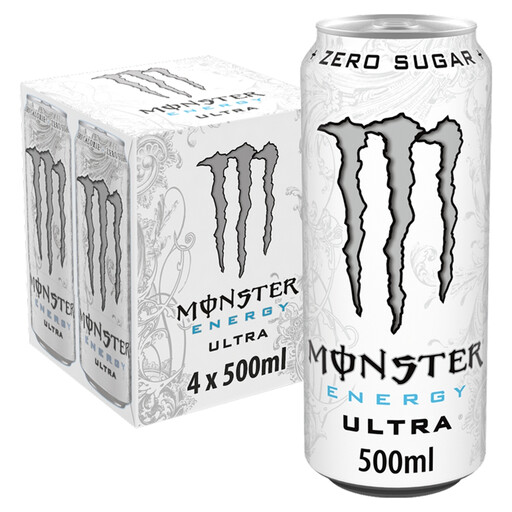
Monster Ultra Zero Sugar, 4 × 500 ml
A larger zero-sugar option that Monster describes as lighter-tasting and citrus-flavoured. Monster states 150 mg caffeine per 500 ml Ultra can, while Tesco lists 160 mg for its 500 ml product; check the exact pack before comparing your whole-can intake.
View on Joybuy
 No image available
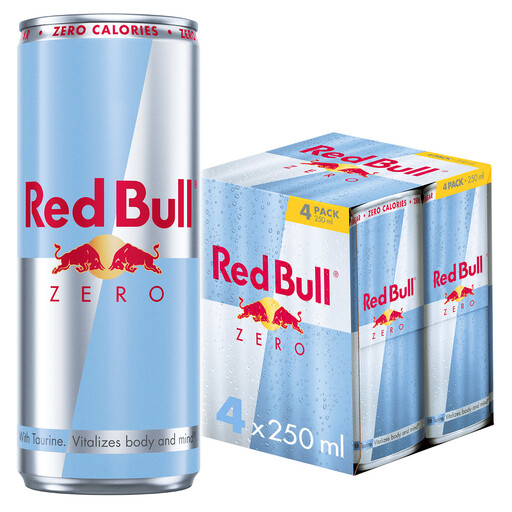
Red Bull Zero, 4 × 250 ml
Another smaller-can zero-sugar option. Red Bull Zero contains caffeine, but it is a distinct variant from Red Bull Sugarfree: check the Zero can for its own whole-can caffeine amount rather than using Sugarfree’s figure.
View on Joybuy
 No image available
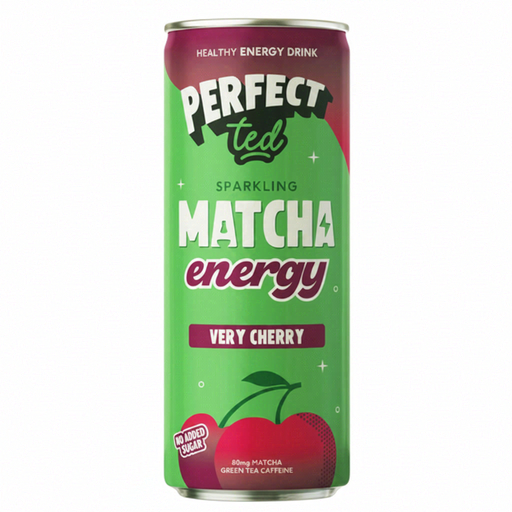
PerfectTed Matcha Energy Very Cherry, 4 × 250 ml
A smaller-can option if no added sugars, rather than zero sugar, meets your preference. Its product information states 80 mg caffeine per 250 ml can and lists 3.7 g sugars per 100 ml, so it is not a zero-sugar alternative.
View on Joybuy
Movie-night questions
Does zero sugar mean an energy drink has little caffeine?
No. Sugar and caffeine are separate attributes. Red Bull states that Sugarfree contains 80 mg caffeine per 250 ml can; Monster states 150 mg for a 500 ml Ultra can, while Tesco lists 160 mg for its 500 ml product. Check the exact can you buy.
Which option has the smaller can for one film?
Red Bull Sugarfree comes in a documented 250 ml can containing 80 mg caffeine, according to Red Bull. Monster Ultra is a 500 ml option. Compare how much you intend to drink and the caffeine in that whole amount, not just the zero-sugar claim.
What if the film ends close to bedtime?
Choose a non-caffeinated drink if avoiding wakefulness before bed is your priority. NHS guidance says caffeine in some drinks can make you feel more awake and affect sleep; a zero-sugar energy drink can still contain caffeine.
Is the announced under-16 energy-drink sales ban already in force across the UK?
No UK-wide rule follows from the England announcement. In July 2026, the Department of Health and Social Care and Department for Education announced an intended England ban from April 2027, subject to Parliamentary approval, on sales to under-16s of drinks other than tea or coffee containing more than 150 mg caffeine per litre. That announcement does not establish the rules for Scotland, Wales or Northern Ireland.


