Workers choosing a zero-sugar lunch drink
If you want an energy drink with your packed lunch, check sugar and caffeine separately. Red Bull Sugarfree and Monster Ultra are both zero-sugar options, but their stated full-can caffeine amounts differ.


Choose an office lunch drink by its sugar and caffeine amounts for the whole can, rather than a ‘zero’ claim alone. Red Bull states that a 250 ml Sugarfree can contains 80 mg caffeine; Monster Energy states that a 500 ml Ultra can contains 0 g sugar and 150 mg caffeine. Include coffee, tea and other caffeine consumed during the day in your decision, or choose a drink labelled caffeine-free if you want to avoid it.
If you want an energy drink with your packed lunch, check sugar and caffeine separately. Red Bull Sugarfree and Monster Ultra are both zero-sugar options, but their stated full-can caffeine amounts differ.
A lunchtime can adds to caffeine from drinks and other sources throughout the day. Compare its full-can amount with what else you expect to consume.
A zero-sugar energy drink is not necessarily caffeine-free. If avoiding caffeine is the priority, check for an explicit caffeine-free claim on the particular drink.
Start with the exact can you plan to pack, then consider the rest of your workday’s drinks.
| Priority | What to check | Your needs |
|---|---|---|
| Sugar | Read the sugar declaration for the exact variant and can size. Check ingredients if the choice of sweeteners matters to you. | I want a zero-sugar drink, but I do not want to mistake that claim for caffeine-free. |
| Full-can caffeine | Compare caffeine in mg for the whole can, not just per 100 ml. Red Bull states 80 mg per 250 ml Sugarfree can; Monster Energy states 150 mg per 500 ml Ultra can. | A smaller can may fit my lunch better if I am also having coffee or tea during the day. |
| Caffeine avoidance | Look for both zero-sugar and caffeine-free claims if you need both. The NHS advises no more than 200 mg caffeine a day during pregnancy, counting all sources. | If I want no caffeine with lunch, I would choose a clearly labelled caffeine-free soft drink rather than assume a zero-sugar energy drink has none. |
| Serving size | Check whether the container is 250 ml, 330 ml or 500 ml and whether the nutrition and caffeine figures refer to the whole container or to 100 ml. | I want to compare the amount I would actually drink with lunch, not two figures based on different serving sizes. |
Monster Energy states that its 500 ml Ultra can has 0 g sugar and 150 mg caffeine. The sugar claim does not describe its caffeine content.
Read caffeine in mg for the full can and include other caffeine you expect to have that day.
A per-100-ml figure alone does not tell you how much caffeine you will consume if you drink the whole can.
Check the container size and calculate or read the full-can amount before comparing a 250 ml can with a 500 ml can.
Sugar-free energy drinks can still contain caffeine. During pregnancy, the NHS advises keeping caffeine from all sources to no more than 200 mg a day.
If you want to avoid caffeine altogether, select a drink explicitly labelled caffeine-free as well as zero-sugar, if both claims matter to you.
Check the individual range and variant: a brand name alone does not establish sugar or caffeine content.
Red Bull Sugarfree is a zero-sugar energy-drink line that includes a 250 ml can.
Monster Energy identifies Ultra as a zero-sugar energy drink sold in a 500 ml can.
Lucozade Alert and Lucozade Zero Sugar are different ranges; check the particular drink rather than relying on the brand name.
Relentless is an energy-drink brand; its retailer list includes Tesco and Sainsbury’s.
Tesco is a retailer, not an energy-drink manufacturer. Its sugar-free energy-and-stimulant-drink category lists products from several brands.
These options include zero-sugar energy drinks in 250 ml and 500 ml cans, plus a zero-sugar soft drink for a caffeine-free lunch.
 No image available
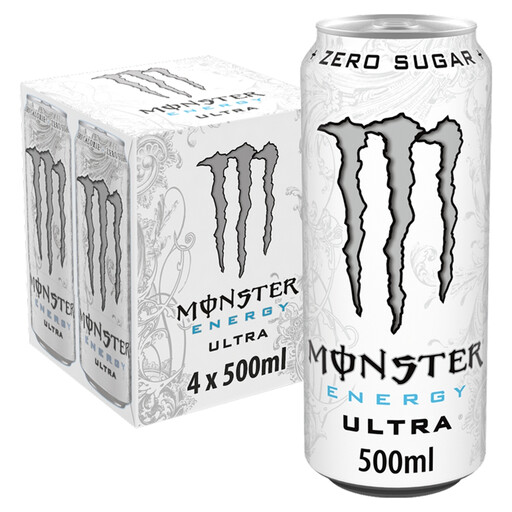
A larger-can zero-sugar energy-drink option for lunch. Monster Energy states 0 g sugar and 150 mg caffeine per 500 ml Ultra can; include the full can in your day’s caffeine total.
 No image available
A 250 ml zero-sugar can if you prefer that serving size with lunch. Red Bull states 80 mg caffeine per can; it is not a caffeine-free drink.
 No image available
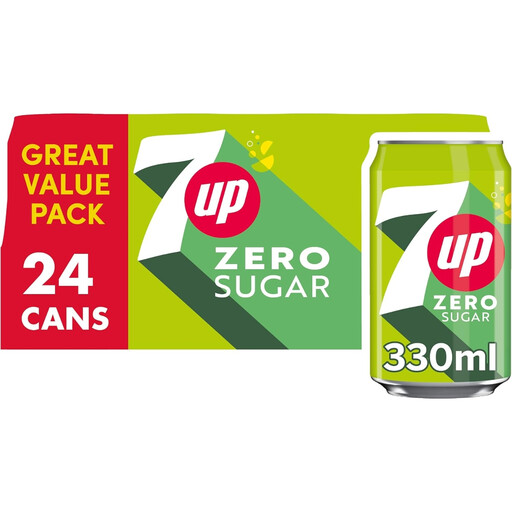
A non-energy soft drink for a packed lunch when you want to avoid caffeine. The listing identifies 330 ml cans and states zero sugar and zero caffeine; check the ingredients if phenylalanine is relevant to you.
 No image available
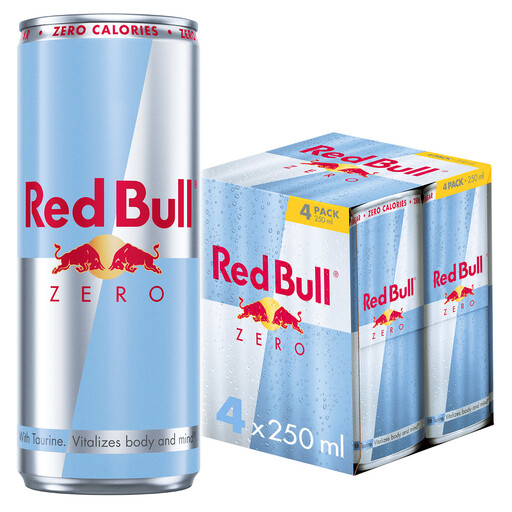
A zero-sugar energy drink in 250 ml cans. Check this Zero variant’s full-can caffeine declaration before adding it to your day’s intake; do not substitute the figure for Red Bull Sugarfree.
 No image available
A zero-sugar energy drink in 500 ml cans. Check the caffeine amount for this Original Green Zero Sugar variant on the can before comparing it with Monster Ultra or other lunch drinks.
It can. Red Bull states that its 250 ml Sugarfree can contains 80 mg caffeine, while Monster Energy states that its 500 ml Ultra can contains 150 mg caffeine and 0 g sugar. Check the caffeine amount for the exact variant and can size.
Compare sugar and caffeine for the amount you would drink, then consider caffeine from coffee, tea and other sources that day. The European Food Safety Authority’s 2015 assessment found that up to 400 mg caffeine a day from all sources does not raise safety concerns for healthy adults in the general population, excluding pregnant women; it is not an individual recommendation.
The NHS advises no more than 200 mg caffeine a day during pregnancy. That total includes caffeine from energy drinks, coffee, tea, cola and other sources, so check the full-can amount or choose a clearly labelled caffeine-free drink if you want to avoid caffeine at lunch.
Check the exact variant, container size, ingredients, nutrition information and caffeine declaration. UK government food-labelling guidance requires a high-caffeine warning on drinks containing more than 150 mg caffeine per litre; read that warning alongside the amount you expect to drink.