Adults cutting back on sugar
If you want an energy drink with an afternoon snack but not a standard sugar-sweetened version, compare the sugar and calories on the specific can as well as its caffeine.


For an afternoon snack, a 250ml zero-sugar can offers a smaller single-can caffeine serving than the 500ml examples compared here: Red Bull states 80mg for Red Bull Zero, Tesco lists 80mg for Lucozade Alert Zero Sugar, and Monster Energy states 150mg for Monster Ultra. Check sugar, calories, caffeine in the whole can and the pack warning before choosing; zero sugar does not mean caffeine-free.
If you want an energy drink with an afternoon snack but not a standard sugar-sweetened version, compare the sugar and calories on the specific can as well as its caffeine.
Can size matters when you intend to drink the whole can. The Red Bull Zero and Lucozade Alert Zero Sugar 250ml examples contain 80mg caffeine per can; Monster Energy states 150mg for its 500ml Ultra can. These figures describe those products, not every drink of either size.
Include tea, coffee, cola and other caffeine-containing products when considering an afternoon can. Read the product warning too, particularly if you are sensitive to caffeine or the warning names a group you belong to.
Start with the drink you would actually finish, then compare its whole-can figures and warning rather than relying on the words “zero sugar”.
| Priority | What to check | Your needs |
|---|---|---|
| Sugar and calories | Read sugars and energy per can, noting whether the panel gives values per 100ml instead. Compare the exact flavour and pack you plan to buy. | I want a zero-sugar drink with my snack, but I also want to see its calorie figure. Tesco lists the zero-sugar Lucozade Alert Mango Peachade can at 6kcal and 0.5g sugars per 250ml. |
| Whole-can caffeine | Check the caffeine amount and can volume together. Red Bull states 80mg per 250ml Red Bull Zero can; Monster Energy states 150mg per 500ml Monster Ultra can. | A smaller single-can caffeine serving matters to me more than having a larger drink. I also need to count caffeine from other drinks that day. |
| Warnings and ingredients | Read the current high-caffeine warning and ingredient list, including sweeteners. Check whether any warning applies to you. | I do not want to assume that removing sugar also removes caffeine or makes the drink suitable for everyone. |
| Pack format | Confirm the can size, flavour and number of cans before buying a multipack. Use the figures for one can when comparing a single afternoon drink. | Before committing to several cans, I want to know which flavour and serving size I am choosing. |
Monster Energy states that a 500ml Monster Ultra can contains 150mg caffeine despite having 0g sugar. The sugar claim and caffeine amount answer different questions.
Find the caffeine figure for the entire can, then consider caffeine you have already had from other sources.
Red Bull Zero and Lucozade Alert Zero Sugar are listed at 80mg caffeine per 250ml can, while Monster Ultra is stated at 150mg per 500ml can. Those are differences between the named products, not a rule for all 250ml and 500ml drinks.
If you expect to finish the can, compare whole-can amounts rather than treating the two formats as interchangeable.
Red Bull says it uses sweeteners in Red Bull Zero. Tesco’s Lucozade Alert Zero Sugar label carries a high-caffeine warning and says it is not recommended for children, pregnant or breastfeeding women, or people sensitive to caffeine.
Read the current can label for ingredients and warnings, especially when a dietary requirement or caffeine warning is relevant to you.
A multipack fixes the flavour and can size for several servings, while the nutrition and caffeine figures need to be read for the particular drink inside.
Confirm the flavour, pack size and current product label before choosing a multipack.
These examples describe named zero-sugar drinks, not every product made by each brand.
Red Bull Zero is a 250ml option for comparing a smaller can with larger energy-drink formats.
Monster Ultra provides a named 500ml zero-sugar example for shoppers considering a larger can.
Lucozade Alert Zero Sugar Mango Peachade is another named 250ml afternoon-drink option.
Relentless Zero Sugar Raspberry is a named 500ml formulation to compare with other larger cans.
These Joybuy listings include smaller and larger energy-drink cans for comparing an afternoon serving. Check the exact product label: a similar can size or brand name does not establish the same sugar, calorie or caffeine figures.
 No image available
The 250ml can size offers a smaller serving to consider with an afternoon snack. Sugarfree is a different named product from Red Bull Zero, so check this pack’s own caffeine, nutrition information and warning.
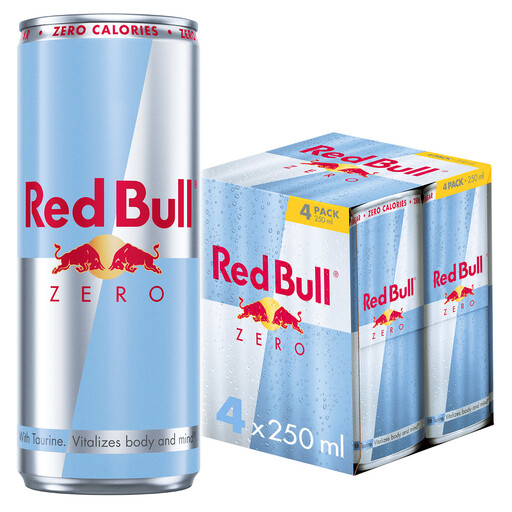 No image available
This 250ml zero-sugar option is relevant when the caffeine in one afternoon can matters: Red Bull states 80mg per can. Check the current nutrition panel if calories are part of your comparison, and read the high-caffeine warning.
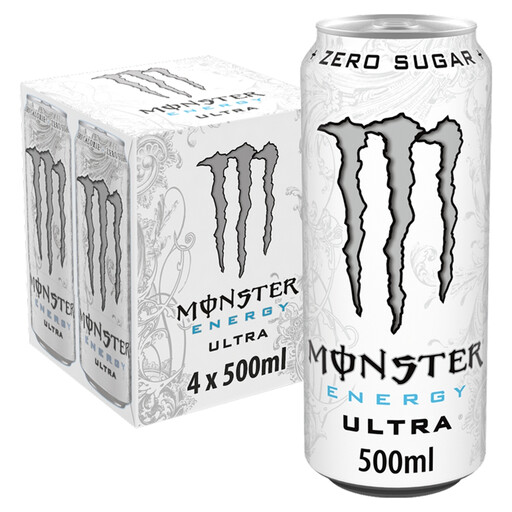 No image available
The 500ml can is for someone deliberately choosing a larger afternoon drink. Check this pack’s whole-can caffeine amount and warning rather than applying a figure from another Monster Ultra listing or judging it by its zero-sugar name alone.
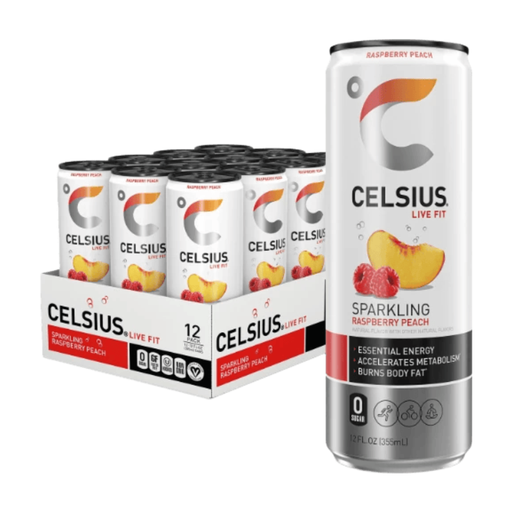 No image available
At 355ml per can, this multipack sits between the 250ml and 500ml formats in volume. Check its own sugars, calories, whole-can caffeine and warning before deciding whether a can fits your afternoon choice.
 No image available
This is another 500ml zero-sugar format to consider if you want a larger can. Check its own nutrition panel and caffeine per can before buying; the figures for a different Monster variety should not be assumed to apply.
No. Red Bull states that Red Bull Zero contains 80mg caffeine per 250ml can, Tesco lists 80mg for Lucozade Alert Zero Sugar Mango Peachade, and Monster Energy states 150mg for a 500ml Monster Ultra can. Compare the whole-can figure on the product you choose.
Yes. The European Food Safety Authority’s caffeine assessment considers intake from all sources, not energy drinks alone. Include drinks such as coffee, tea and cola when considering an afternoon can; its assessment for healthy adults in the general population does not apply unchanged to pregnant women.
The Lucozade Alert Zero Sugar and Red Bull Zero labels say these drinks are not recommended for pregnant or breastfeeding women. That product warning remains relevant even though the European Food Safety Authority separately assesses caffeine intake during pregnancy from all sources; a general intake figure does not override a particular drink’s label.
The Department of Health and Social Care and Department for Education announced on 16 July 2026 that a ban on sales of high-caffeine energy drinks to under-16s in England will take effect in April 2027. The announced rule covers shops, vending machines and online sales; it is not yet in force in October 2026.
Confirm the exact flavour, number of cans and can size, then read the current product page and pack label for sugars, calories, caffeine and warnings. Figures for one flavour or variety should not be assumed to apply to another.