Guests choosing a drink without sugar
A zero-sugar label addresses the sugar choice, but not the caffeine serving. Compare the whole can with any coffee or tea you plan to have at breakfast.


For an individual hotel breakfast serving, choose a clearly labelled zero-sugar can only after checking its caffeine content for the whole can, especially if you are also having coffee or tea. Red Bull Sugarfree contains 80 mg per 250 ml can, according to Red Bull Great Britain; Monster Great Britain lists 150 mg per 500 ml Monster Ultra can and 160 mg per 500 ml Monster Energy Zero Sugar can. A large bottle calls for a measured pour rather than treating the whole bottle as one serving.
A zero-sugar label addresses the sugar choice, but not the caffeine serving. Compare the whole can with any coffee or tea you plan to have at breakfast.
Can size matters: Red Bull Great Britain lists 80 mg caffeine in a 250 ml Red Bull Sugarfree can, while Monster Great Britain lists 150 mg or 160 mg in its named 500 ml zero-sugar products.
Individually packaged cans make the serving size clear. If offering a large bottle for pouring, make the portion size and caffeine information accessible, alongside the drink’s ingredient and allergen details.
Start with the sugar label, then compare caffeine for the amount you would actually drink.
| Priority | What to check | Your needs |
|---|---|---|
| Sugar and sweeteners | Check the sugar figure for the exact drink and read its current ingredients if particular sweeteners matter to you. Zero sugar does not mean caffeine-free. | I want a drink without sugar, but I still need to know what else is in the can. |
| Caffeine per can | Compare complete containers, not just amounts per 100 ml. Red Bull Great Britain lists 80 mg per 250 ml Red Bull Sugarfree can; Monster Great Britain lists 150 mg per 500 ml Monster Ultra can and 160 mg per 500 ml Monster Energy Zero Sugar can. | If I am also having breakfast coffee or tea, the caffeine in the whole energy-drink can matters to my choice. |
| Poured portion | For a shared bottle, check the caffeine concentration and measure the pour. Tesco Groceries lists Tesco Blue Spark Sugar Free at 30 mg caffeine per 100 ml in a 1 litre bottle. | A clearly sized portion helps me tell how much of a shared bottle I am drinking. |
| Ingredients and allergens | Read the package being served or ask for its current ingredient and allergen information. Check the caffeine amount separately from the sugar claim. | I need the details for the actual drink at the buffet when an allergen, ingredient or caffeine restriction affects my choice. |
Can size changes the comparison. Red Bull Great Britain lists 80 mg caffeine in a 250 ml Red Bull Sugarfree can; Monster Great Britain lists 150 mg in a 500 ml Monster Ultra can and 160 mg in a 500 ml Monster Energy Zero Sugar can.
Check the amount for the entire can and include any coffee or tea you are having with breakfast.
Tesco Groceries lists 30 mg caffeine per 100 ml for its 1 litre Blue Spark Sugar Free bottle. The caffeine in a glass depends on how much is poured.
Use a known portion size and make the caffeine amount for that portion clear.
A menu description may not give the caffeine amount, ingredients or allergen details for the drink actually served.
Read the current can or bottle, or ask hotel staff for the exact product information.
The NHS advises no more than 200 mg caffeine a day during pregnancy and identifies energy drinks, coffee and tea among caffeine sources.
Account for caffeine from all drinks and foods that day; a non-caffeinated breakfast drink avoids adding caffeine from an energy drink.
These named ranges illustrate different sugar, caffeine and serving-size checks; a brand name alone does not establish the details of every variant.
Red Bull Sugarfree is a 250 ml individual-can option for comparing a defined breakfast serving.
The named zero-sugar Monster ranges offer larger, 500 ml individual cans.
Tesco Blue Spark Sugar Free is a 1 litre bottle suited to a buffet setup that uses measured pours.
Lucozade describes its Zero range as zero-sugar sparkling soft drinks for a different kind of breakfast choice.
These packaged zero-sugar energy drinks offer individual cans in different sizes; some are sold in multipacks. Compare the caffeine information for the exact can before choosing one for breakfast.
 No image available
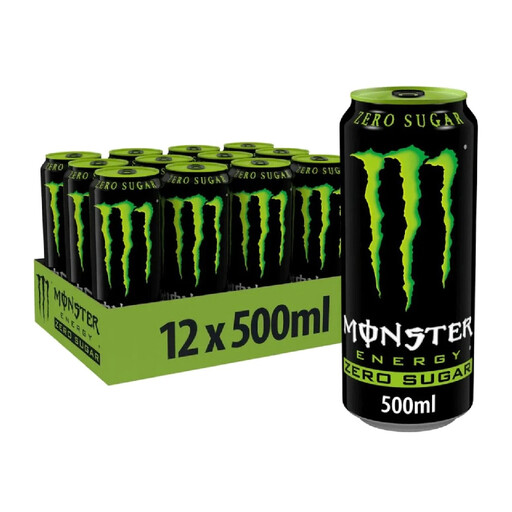
A zero-sugar option for guests choosing a larger individual can. The Joybuy listing states 0 g sugar and 160 mg caffeine per 500 ml can; count any other caffeine you have with breakfast and check the current can label.
 No image available
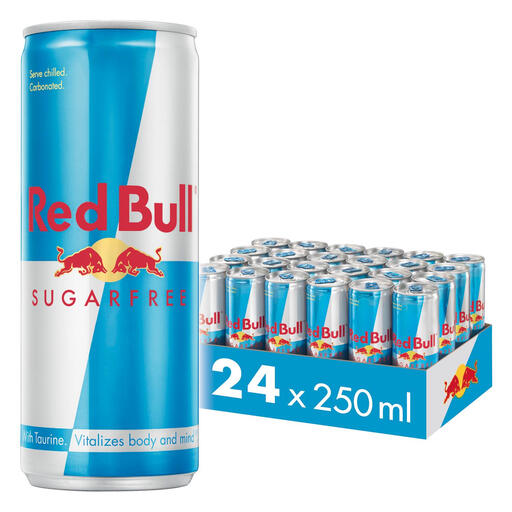
Each individually packaged 250 ml can provides a defined breakfast serving. Red Bull Great Britain lists 80 mg caffeine per can; check the ingredients on the actual can if a particular sweetener matters to you.
 No image available
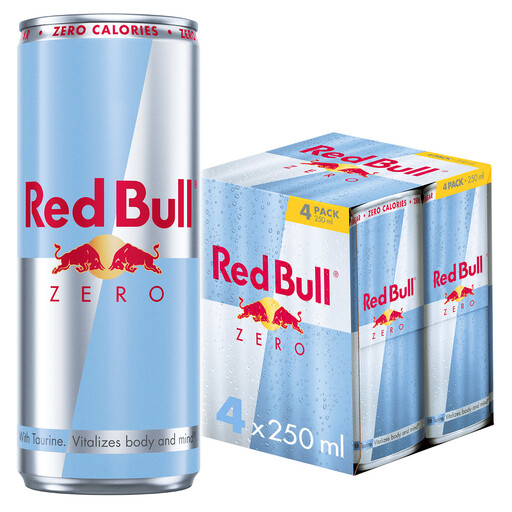
Four individual 250 ml zero-sugar cans provide a smaller serving format. Check the caffeine amount for a complete can on the current package before comparing it with breakfast coffee or tea; do not assume it matches Red Bull Sugarfree.
 No image available
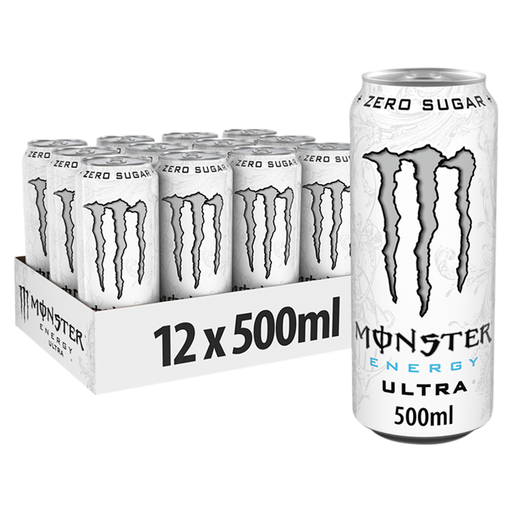
These zero-sugar 500 ml cans suit someone deliberately choosing a larger individual drink. Check caffeine per can on the current Monster Ultra White package before adding it to other caffeine consumed at breakfast.
 No image available
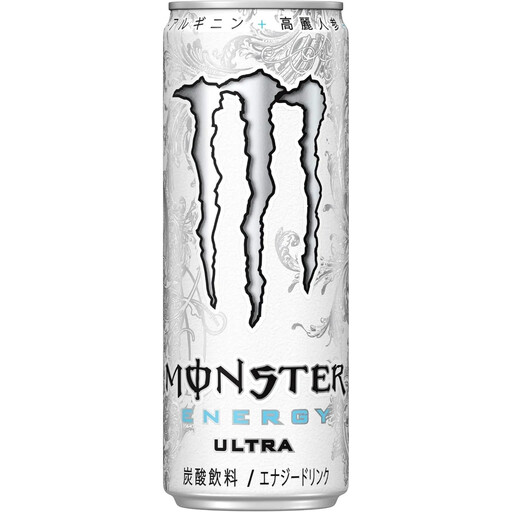
This zero-sugar 355 ml can offers a size between the 250 ml and 500 ml options shown here. Check caffeine for the complete Japan-version can on its package rather than applying a figure from another Monster Ultra variant.
No. Red Bull Great Britain lists 80 mg caffeine per 250 ml Red Bull Sugarfree can, while Monster Great Britain lists 150 mg per 500 ml Monster Ultra can and 160 mg per 500 ml Monster Energy Zero Sugar can. Check the caffeine amount for the exact drink and full serving.
Add the caffeine in the whole can or measured pour to caffeine from other drinks and foods consumed that day. The European Food Safety Authority’s caffeine assessment considers intake from all sources, so a per-100 ml figure alone does not describe your complete serving.
The NHS advises no more than 200 mg caffeine a day during pregnancy and includes energy drinks among caffeine sources. Check the amount in the complete can alongside caffeine from coffee, tea and other sources, or choose a non-caffeinated breakfast drink.
Check the package for the exact drink or ask hotel staff for its allergen information if the package is not available to you. GOV.UK guidance to food businesses addresses allergen information for both prepacked and non-prepacked food and drink.