Shoppers avoiding sugar
If you want an energy-drink format without sugar, check the nutrition panel on the exact flavour and pack you pick. The ingredients list also matters if you avoid particular sweeteners.


Choose a zero-sugar energy drink if avoiding sugar is your main aim, but check the caffeine in the whole can before deciding on a size. Red Bull states that its Sugarfree 250 ml can contains 80 mg caffeine, while Monster Energy states that its Ultra 500 ml can contains 150 mg; the zero-sugar label does not make those servings interchangeable. Check the individual can’s ingredients and warnings, especially when buying for someone else or choosing a multipack.
If you want an energy-drink format without sugar, check the nutrition panel on the exact flavour and pack you pick. The ingredients list also matters if you avoid particular sweeteners.
A 250 ml can and a 500 ml can are different servings. Compare caffeine in milligrams per whole can, rather than relying on can size or the zero-sugar wording alone.
Read high-caffeine warnings before choosing a drink for another person. In England, the Department of Health and Social Care has announced a planned restriction on sales of qualifying high-caffeine energy drinks to under-16s from April 2027.
Start with the type of drink you want, then compare the whole-can caffeine amount and the pack you will take home.
| Priority | What to check | Your needs |
|---|---|---|
| Sugar and drink type | Check the sugar figure on the nutrition panel and the ingredients on the exact product. Lucozade describes its Zero range as zero-sugar soft drinks; check an individual label before treating one as a caffeinated energy drink. | I want to avoid sugar, but I also need to know whether I am choosing an energy drink or a sparkling soft drink. |
| Caffeine per can | Compare milligrams in the whole can as well as any amount stated per 100 ml. Red Bull states 80 mg per 250 ml Sugarfree can; Monster Energy states 150 mg per 500 ml Ultra can. These are figures for those named products, not every drink in either range. | A smaller serving may suit the amount I intend to drink now. I will check the full-can figure alongside any other caffeine I have had. |
| Warnings | Read the individual can’s high-caffeine warning. GOV.UK labelling guidance covers drinks containing more than 150 mg caffeine per litre and identifies children, pregnant women and people sensitive to caffeine in the warning. | If I am buying for someone else, I need to check whether the drink carries a warning relevant to them; zero sugar does not answer that question. |
| Can and pack size | Check both the volume of each can and the number of cans in the pack. Confirm the flavour and ingredients before committing to several servings. | For a quick top-up, I may want a few smaller cans rather than a case or several 500 ml cans. |
Sugar and caffeine are separate label details. Red Bull states 80 mg caffeine in a 250 ml Sugarfree can, while Monster Energy states 150 mg in a 500 ml Ultra can.
Compare the caffeine amount per whole can on the product you intend to drink, not just its sugar claim.
A larger zero-sugar serving can still contain more caffeine than a smaller one, as the named Red Bull Sugarfree and Monster Ultra examples show.
Check the can volume and caffeine amount together, taking other caffeine you have consumed into account.
GOV.UK high-caffeine labelling guidance identifies children and pregnant women among the groups covered by the warning; sugar content does not remove that warning.
Read the label on the exact can. For sales to under-16s, distinguish England’s announced April 2027 restriction from the rules that apply now.
A multipack commits you to more of the same flavour, ingredients and can size.
Check those details, including the caffeine warning, before choosing a four-pack or case for a top-up shop.
Red Bull Sugarfree offers a 250 ml can for shoppers comparing smaller servings.
Monster has distinct zero-sugar 500 ml products whose label details should be compared separately.
Lucozade Zero is a sparkling, zero-sugar soft-drink range rather than an automatic substitute for a particular energy drink.
Relentless is an energy-drink brand whose store finder names Tesco and Sainsbury’s among its retailers.
Tesco is a retailer reference for comparing energy-drink types, not a drinks brand in this selection.
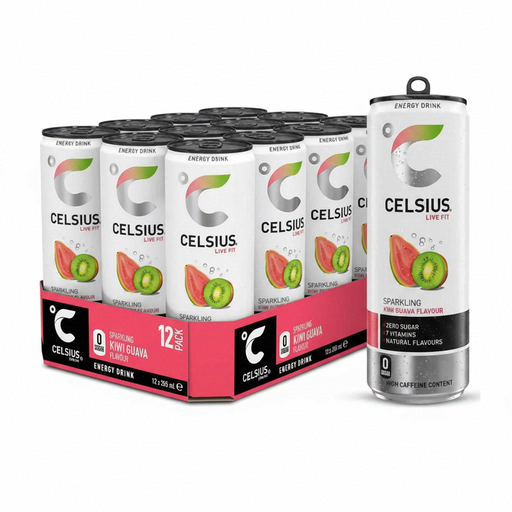
These options cover smaller Red Bull multipacks, larger Monster multipacks and a 355 ml CELSIUS case. Check each product’s label for the sugar, caffeine and warning details relevant to your purchase.
 No image available
The 355 ml can sits between the smaller and larger formats here, but a 12-can case is a more substantial purchase for a quick top-up. Check the individual can’s sugar, caffeine and warning details before choosing the case.
 No image available
This four-pack suits a top-up purchase when you want several smaller Sugarfree cans rather than a larger single serving. Red Bull states 80 mg caffeine per 250 ml Sugarfree can; check the pack’s ingredients and warnings as well.
 No image available
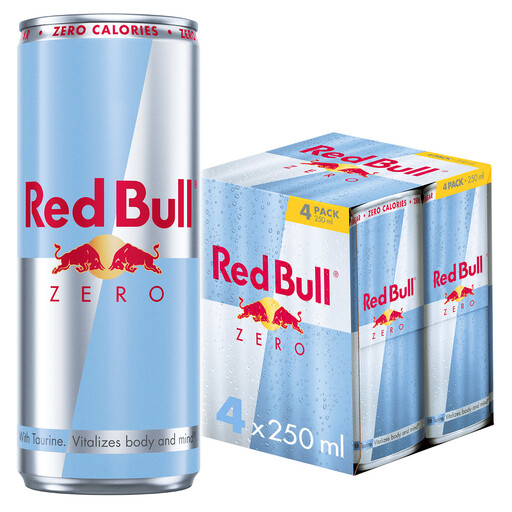
Another four-pack of smaller 250 ml cans, this is the Zero variant rather than Sugarfree. Check its own caffeine figure, ingredients and warning; do not transfer details from the Sugarfree label.
 No image available
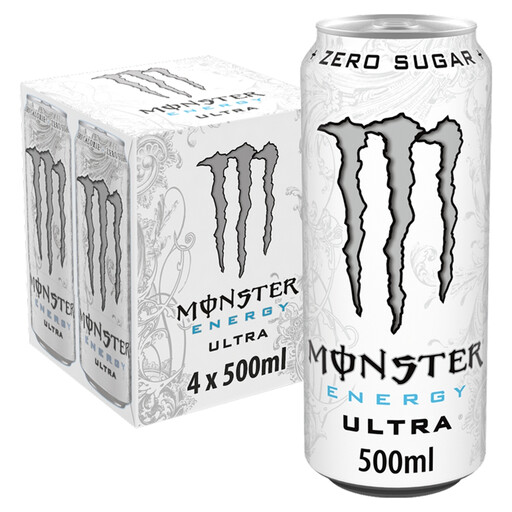
This four-pack provides larger 500 ml servings for shoppers who prefer that can size. Check caffeine on the cans before deciding: the product information gives differing figures per 100 ml, so it does not establish one clear amount for this pack.
 No image available
This is a four-pack of 500 ml Original Green Zero Sugar cans. Check the caffeine and nutrition panel on the packaging before buying: the product information does not give a clear whole-can caffeine amount, and its calorie wording conflicts with its nutrition table.
No. Zero sugar describes sugar content, not the caffeine in a serving. Red Bull states 80 mg caffeine per 250 ml Sugarfree can, while Monster Energy states 150 mg per 500 ml Ultra can; compare the amount on the exact can you choose.
Check for the high-caffeine warning and the caffeine amount. GOV.UK labelling guidance covers drinks containing more than 150 mg caffeine per litre and identifies children, pregnant women and people sensitive to caffeine in the warning. Read the individual product label rather than applying another flavour’s details to it.
Not under the announced future restriction as of October 2026. The Department of Health and Social Care has announced an England-only ban planned for April 2027, subject to Parliamentary approval, for sales to under-16s of qualifying drinks containing more than 150 mg caffeine per litre. That announcement does not establish the rules for Scotland, Wales or Northern Ireland.
No. Sugar content does not remove a high-caffeine warning: GOV.UK labelling guidance identifies pregnant women among those for whom drinks above its caffeine threshold are not suitable. Check the exact can’s warning and seek individual clinical advice if caffeine intake during pregnancy is a concern.