If reducing sugar is your aim, a zero-sugar energy drink is a more fitting weekday-breakfast choice than a regular can, but compare caffeine per whole can as well. Red Bull lists 80mg caffeine in a 250ml Sugarfree can, while Monster lists 160mg in a 500ml Zero Sugar can; either amount needs to be considered alongside coffee, tea and other caffeine consumed that day.
Who needs to consider what?
The breakfast decision changes according to whether sugar, total caffeine or a lower caffeine limit is the main consideration.
Weekday commuters reducing sugar
If you want an energy drink with breakfast, compare sugars for the whole can rather than relying on the product name alone. A zero-sugar version addresses the drink’s sugar content, but you still need to check its caffeine serving.
Coffee or tea drinkers counting caffeine
A breakfast can adds to caffeine from other drinks and products. Red Bull states 80mg per 250ml Sugarfree can; Monster states 160mg per 500ml Zero Sugar can. Count the serving you intend to drink, not just its concentration per 100ml.
Pregnant or breastfeeding adults
The NHS says not to exceed 200mg of caffeine a day during pregnancy and recommends no more than 200mg a day while breastfeeding. Check caffeine from every source before deciding whether an energy drink fits within that daily amount.
What should you check before choosing?
Start with sugar and caffeine for the entire can, then account for other drinks at breakfast and later in the day.
| Priority |
What to check |
Your needs |
| Sugars per can |
Read the sugars figure for the amount you will drink and distinguish zero sugar from a no-added-sugar claim. Red Bull lists 27g sugars for its regular 250ml can; Monster lists 55g for Original Green at 500ml and 0g for Zero Sugar at 500ml. The NHS adult recommendation concerns free sugars, which are not necessarily identical to every sugar listed on a nutrition panel. |
I want to reduce the sugar my breakfast drink adds to the day. A zero-sugar formulation addresses that aim more directly than a regular energy drink. |
| Caffeine per can |
Compare the whole-can amount and add caffeine from coffee, tea and other products. Red Bull states 80mg per 250ml Sugarfree can; Monster states 160mg per 500ml Zero Sugar can. The European Food Safety Authority’s assessment considers caffeine from all sources, not energy drinks in isolation. |
If I also have coffee at breakfast, I need to know how much caffeine the can adds before choosing its size. |
| Lower caffeine limits |
Check the exact can and your other caffeine sources against the applicable daily guidance. The NHS gives a 200mg daily maximum during pregnancy and recommends no more than 200mg a day while breastfeeding. |
During pregnancy or breastfeeding, I need to account for all the caffeine I consume, not assume that a sugar-free can is suitable because it contains no sugar. |
| Exact product |
Check the can size, formulation and current product page before ordering. A retailer’s category or a brand’s store locator does not establish that a particular variant is available for local delivery. |
I want the sugar and caffeine figures to match the can I am buying, especially if several pack sizes or formulations appear under the same brand. |
Common breakfast-drink mistakes
-
Assuming zero sugar means little caffeine
Monster lists 0g sugar but 160mg caffeine in a 500ml Zero Sugar can. Sugar and caffeine answer different questions about a breakfast drink.
Check caffeine for the whole can and include any coffee, tea or other caffeinated products you plan to have that day.
-
Comparing only the per-100ml label
Can size changes the total serving. Red Bull lists 80mg caffeine for a 250ml Sugarfree can, while Monster lists 160mg for a 500ml Zero Sugar can.
Use whole-can caffeine and sugars when comparing the drinks you would actually finish.
-
Overlooking sugar in a regular can
Red Bull lists 27g sugars in its regular 250ml can, and Monster lists 55g in a 500ml Original Green can. Those figures matter if reducing drink sugar is your reason for comparing formulations.
Check the exact nutrition label. If you choose a zero-sugar version instead, check its caffeine separately.
Brand and retailer references
These references help distinguish formulations and places to check for them; a brand or retailer name alone does not identify the contents of a particular can.
Red Bull
Its 250ml Sugarfree and regular cans offer a same-size formulation comparison.
- Red Bull’s UK information states 80mg caffeine per 250ml Sugarfree can.
- The brand lists 27g sugars in its regular 250ml Energy Drink; check which version is in your basket.
Monster
Its UK information gives whole-can figures for 500ml Zero Sugar and Original Green drinks.
- Monster lists 0g sugar and 160mg caffeine per 500ml Zero Sugar can.
- Original Green lists 55g sugar and 160mg caffeine per 500ml; zero sugar does not mean a smaller caffeine serving.
Relentless
A brand to assess by its exact formulation rather than by the range name.
- Relentless describes White Citrus as an energy drink containing sugar and sweetener.
- Check the selected can’s nutrition and caffeine information before comparing it with a zero-sugar drink.
Lucozade
Lucozade describes its Zero soft-drink range as containing zero sugar.
- The range provides a zero-sugar soft-drink option to consider at breakfast.
- Check the exact drink’s caffeine label before treating it as an alternative to a caffeinated energy drink.
Tesco
Its energy-drink category separates sugar-free, reduced-sugar and regular products.
- The category groupings can help narrow a formulation search.
- Confirm the exact product and local availability when ordering.
Sainsbury's
Relentless names Sainsbury's in its UK retailer locator.
- The locator gives shoppers a retailer to check for Relentless drinks.
- It does not establish that a particular formulation is in stock locally; check the product listing.
Energy drinks to compare on Joybuy
These options include smaller Sugarfree cans, a multipack labelled Zero Sugar and a matcha energy drink. Compare the exact can’s sugar and caffeine information before choosing one for breakfast; no-added-sugar wording is not the same as zero sugar.
 No image available
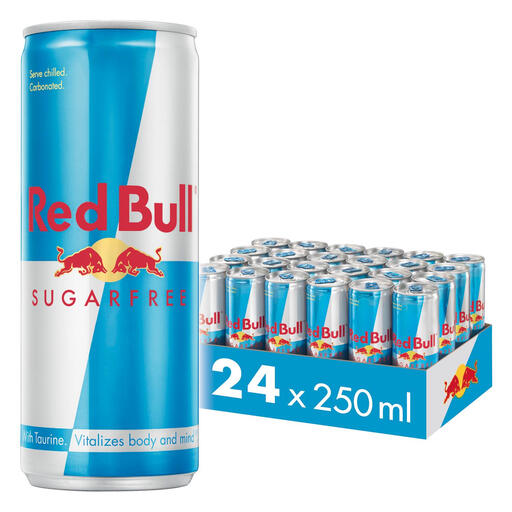
Red Bull Sugarfree Energy Drink 250ml, pack of 24
A 250ml Sugarfree can is a smaller-format option for comparing breakfast-time caffeine with other drinks. Red Bull states 80mg caffeine per can; include it in your daily total.
View on Joybuy
 No image available
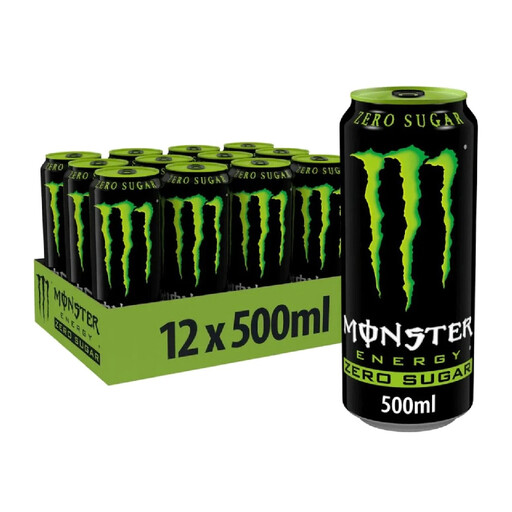
Monster Energy Green Zero Sugar, 12 cans
This Zero Sugar multipack suits a comparison in which avoiding drink sugar is the starting point. Check caffeine for the exact can and count it alongside coffee or tea; zero sugar does not mean caffeine-free.
View on Joybuy
 No image available
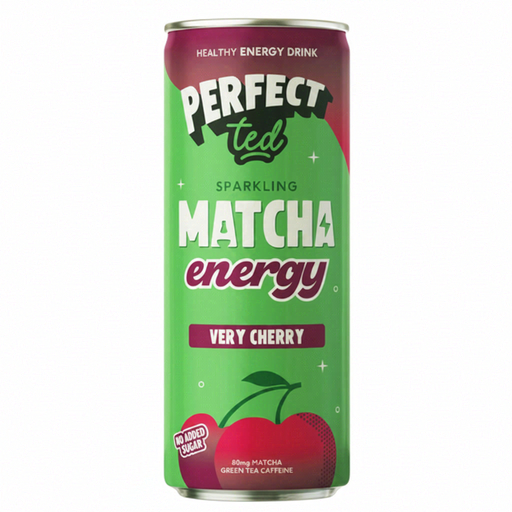
PerfectTed Matcha Energy Very Cherry, 4 × 250ml
This matcha energy drink offers a 250ml can for a breakfast-drink comparison. If a no-added-sugar claim is relevant to you, check the total sugars and caffeine on the exact can rather than treating it as zero sugar.
View on Joybuy
Frequently asked questions
Is a zero-sugar energy drink a better breakfast choice if I’m reducing sugar?
It is the more relevant energy-drink formulation for that specific aim, but check caffeine separately. Monster lists 0g sugar and 160mg caffeine per 500ml Zero Sugar can, while Red Bull states 80mg caffeine per 250ml Sugarfree can. Compare figures for the whole can you intend to drink.
How should I count caffeine from an energy drink and coffee?
Add the caffeine from both drinks and any other sources you consume that day. The European Food Safety Authority’s assessment says daily intakes up to 400mg from all sources do not raise safety concerns for healthy adults in the general population; it is not a target to reach, and different guidance applies during pregnancy.
What if I’m pregnant or breastfeeding?
Check your total caffeine before choosing an energy drink. The NHS says not to have more than 200mg a day during pregnancy and recommends no more than 200mg a day while breastfeeding. A drink containing 160mg would leave limited room within that amount for other caffeine that day.


