Adults who prefer a smaller can
A 250 ml Red Bull Sugarfree can has a stated 80 mg of caffeine, according to Red Bull. It offers a smaller single-can serving than the 500 ml Monster Ultra and Zero Sugar products described on Monster UK’s pages.


For an adult choosing a zero-sugar energy drink for a gaming session, compare caffeine in the whole can before choosing a flavour or pack size: Red Bull Sugarfree states 80 mg in 250 ml, while Monster UK states 150 mg for Ultra and 160 mg for Zero Sugar in 500 ml cans. A smaller can offers a smaller stated caffeine serving; a larger can may suit someone who wants that format and has accounted for caffeine from other drinks and foods. Zero sugar does not mean caffeine-free, and a caffeine-free drink is the more straightforward choice for children.
Can size matters most when it changes how much caffeine someone plans to drink in one sitting.
A 250 ml Red Bull Sugarfree can has a stated 80 mg of caffeine, according to Red Bull. It offers a smaller single-can serving than the 500 ml Monster Ultra and Zero Sugar products described on Monster UK’s pages.
Monster UK states 150 mg of caffeine per 500 ml Ultra can and 160 mg per 500 ml Zero Sugar can. Anyone choosing this format should count the whole can alongside other caffeine consumed that day.
Keep adult energy-drink choices separate from drinks for children; a caffeine-free option avoids treating a zero-sugar label as a caffeine-free one. During pregnancy, NHS guidance says caffeine from all sources should not exceed 200 mg a day.
Start with the amount you would drink in one sitting, then check how the can fits with your other drinks and ingredient preferences.
| Priority | What to check | Your needs |
|---|---|---|
| Whole-can caffeine | Compare both can volume and caffeine per can, not just a per-100 ml figure. Red Bull states 80 mg per 250 ml Sugarfree can; Monster UK states 150 mg per 500 ml Ultra can and 160 mg per 500 ml Zero Sugar can. | I want to know how much caffeine I would drink if I finished the can during a gaming session. |
| Other caffeine sources | Include coffee, tea, cola, chocolate and supplements. The European Food Safety Authority’s 2015 opinion says single doses up to 200 mg and habitual intake up to 400 mg a day do not raise safety concerns for the general healthy, non-pregnant adult population; these are not intake targets. | If I have already had caffeine today, I need to consider that before opening an energy drink. |
| Ingredients | Read the current can’s ingredient list if a particular sweetener matters. Red Bull lists sucralose and acesulfame K for Sugarfree; Tesco lists both for its Relentless Zero Sugar Raspberry product. | I may want zero sugar but still need to know which sweeteners are in the specific drink. |
| Who will drink it | Check product warnings rather than assuming zero sugar means suitable for every age. For pregnancy, the NHS advises no more than 200 mg of caffeine a day from all sources. | When buying snacks and drinks for a mixed-age household, I need a separate caffeine-free choice for children. |
Red Bull states 80 mg of caffeine in a 250 ml Sugarfree can, while Monster UK states 150 mg and 160 mg in its respective 500 ml Ultra and Zero Sugar cans. The sugar description does not tell you the caffeine serving.
Check caffeine for the entire can before choosing a drink or a multipack.
A 250 ml can and a 500 ml can are different servings, even when both are described as zero sugar.
Decide how much you intend to drink, then compare the caffeine amount for that serving.
Tesco’s Relentless Zero Sugar Raspberry listing contains an inconsistent flavour description. A listing title alone may not settle which variant you will receive.
Check the current pack’s flavour, ingredients and caffeine declaration before choosing that variant.
A drink chosen by an adult is not automatically an appropriate choice for a child. During pregnancy, NHS guidance sets a 200 mg daily caffeine limit from all sources.
Offer children a caffeine-free drink; during pregnancy, count caffeine across drinks, food and supplements.
These references describe particular products and listings, not every drink made by each brand.
Sugarfree is a 250 ml option for someone comparing a smaller can with 500 ml formats.
Monster UK describes both Ultra and Zero Sugar as zero-sugar 500 ml options.
Tesco lists a 500 ml Raspberry Zero Sugar product as another zero-sugar format.
These packs offer several can sizes and flavours for adults comparing zero-sugar energy drinks for a gaming session. Check the exact can’s caffeine declaration when a product-specific whole-can amount is important to your choice.
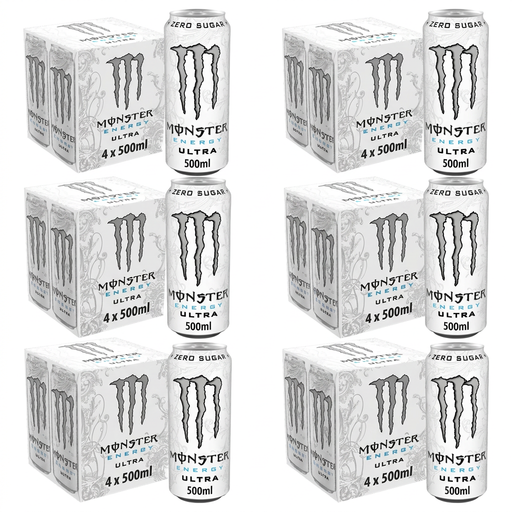 No image available
A 500 ml can format for an adult who wants a larger zero-sugar drink. Monster UK states 150 mg of caffeine per 500 ml Ultra can; check the caffeine and ingredients on this pack and count any other caffeine consumed that day.
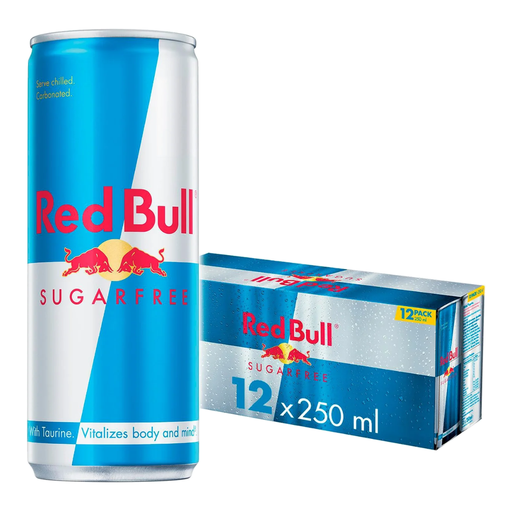 No image available
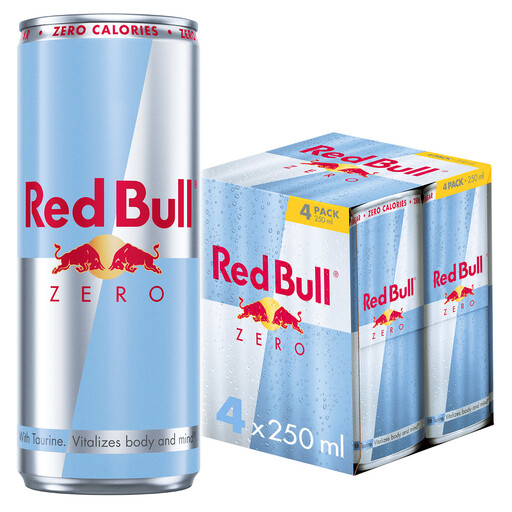
The 250 ml cans suit an adult seeking a smaller stated caffeine serving. Red Bull states 80 mg of caffeine per Sugarfree can and lists sucralose and acesulfame K; it is not a caffeine-free drink.
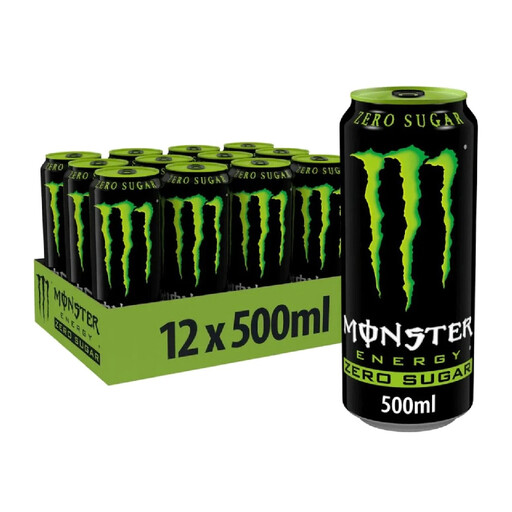 No image available
An original-style zero-sugar option for an adult who prefers this Monster variant. Confirm the can volume, whole-can caffeine amount and sweeteners on the exact pack before comparing it with another format.
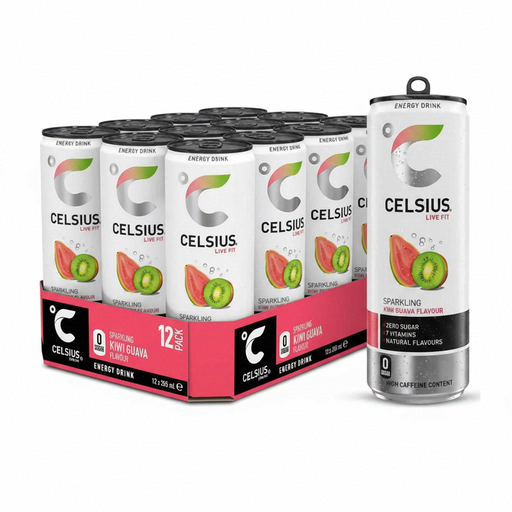 No image available
A kiwi-guava option in 355 ml cans for someone considering a size between the named 250 ml and 500 ml formats. Check the exact can’s sugar, caffeine and ingredient declarations before choosing it for a gaming session.
 No image available
Another 250 ml zero-sugar format for an adult who prefers a smaller can. Check this Zero variant’s whole-can caffeine amount and current ingredients separately; do not assume they match Red Bull Sugarfree.
No. Red Bull states 80 mg of caffeine per 250 ml Sugarfree can, while Monster UK states 150 mg per 500 ml Ultra can and 160 mg per 500 ml Zero Sugar can. Check the whole-can figure for the exact product you choose.
Choose the amount you intend to drink, then compare caffeine for that whole can and count other sources consumed that day. Red Bull’s 250 ml Sugarfree can has a stated 80 mg serving; the named Monster 500 ml cans have stated servings of 150 mg and 160 mg. The European Food Safety Authority’s general healthy-adult caffeine figures are safety-context assessments, not targets to reach.
Count caffeine from the whole can together with other sources. NHS guidance says not to exceed 200 mg of caffeine a day during pregnancy and includes energy drinks among its possible sources; a zero-sugar label does not alter a drink’s stated caffeine amount.
The named products can: Red Bull lists sucralose and acesulfame K in Sugarfree, and Tesco lists the same sweeteners for Relentless Zero Sugar Raspberry. Check the current ingredient list if a particular sweetener matters to you.
The Department of Health and Social Care and Department for Education announced in July 2026 a planned England-only restriction from April 2027, subject to Parliamentary approval. It would cover sales to under-16s of drinks other than tea or coffee containing more than 150 mg of caffeine per litre. That announcement does not establish the position in Scotland, Wales or Northern Ireland.