Runners avoiding added sugar
A zero-sugar claim helps narrow drink choices, but it does not answer what carbohydrate fuel a longer session calls for. The UK Sports Institute advises matching carbohydrate intake to the demands of training.


A zero-sugar energy drink should not replace planned carbohydrate fuel for a long or demanding marathon-training session: the UK Sports Institute advises matching carbohydrate intake to training demands. An adult considering one for caffeine instead should plan fuel and fluids separately, then check the caffeine in the whole can, other caffeine consumed that day and personal tolerance.
For marathon training, the first distinction is whether a drink is intended to supply carbohydrate, caffeine or simply a flavour you enjoy.
A zero-sugar claim helps narrow drink choices, but it does not answer what carbohydrate fuel a longer session calls for. The UK Sports Institute advises matching carbohydrate intake to the demands of training.
If carbohydrate and fluids are already planned, compare a drink’s caffeine amount with what you also get from coffee, tea, gels or supplements. Consider your response to caffeine rather than treating it as a required part of training.
The amount in a complete container matters more than a sugar-free claim alone. Red Bull Great Britain states 80 mg caffeine in a 250 ml Red Bull Sugarfree can; Monster Energy UK states 160 mg in a 500 ml Monster Energy Absolutely Zero can.
Decide what the session requires before comparing the drink label: a caffeine choice and a carbohydrate-fuelling choice serve different purposes.
| Priority | What to check | Your needs |
|---|---|---|
| Carbohydrate fuel | Read carbohydrate and energy values for the amount you intend to consume. The UK Sports Institute advises matching carbohydrate intake to training demands; a zero-sugar name alone does not establish the drink’s full carbohydrate content. | For a long or demanding run, I need to plan carbohydrate-containing food or a fuelling product rather than assume an energy drink will supply it. |
| Caffeine per can | Compare caffeine in mg for the whole container, not only per 100 ml. Red Bull Great Britain states 80 mg per 250 ml Red Bull Sugarfree can; Monster Energy UK states 160 mg per 500 ml Monster Energy Absolutely Zero can. Include caffeine from other sources. | A larger can could change how much caffeine I take, even when both drinks are presented as sugar-free. |
| Personal response | Check the pack warning and consider your tolerance, other caffeine products and the timing of training. A fixed amount per can is not an individual caffeine recommendation. | I would rather assess a caffeine choice during training than make it a new part of a race-day plan. |
| Ingredients and format | Check the exact variant’s ingredients, nutrition declaration and container size. Red Bull Sugarfree is described by Red Bull as containing sucralose and acesulfame K; Lucozade describes its Zero range as zero-sugar sparkling drinks. | Sweeteners or a sparkling drink may affect what I choose, but neither tells me that a product supplies marathon fuel. |
A drink can be called an energy drink without supplying the carbohydrate planned for a demanding run. The UK Sports Institute advises matching carbohydrate intake to the training programme.
If carbohydrate is the purpose, plan a suitable food or fuelling product separately. Treat a zero-sugar drink as a distinct caffeine or refreshment choice.
Red Bull Great Britain states 80 mg caffeine per 250 ml Red Bull Sugarfree can, while Monster Energy UK states 160 mg per 500 ml Monster Energy Absolutely Zero can. Choosing by brand or sugar claim can obscure that difference.
Read the caffeine amount for the complete container and account for coffee, tea, caffeinated gels and supplements consumed that day.
Lucozade Zero is described as a zero-sugar sparkling drink, while Relentless lists sucrose in its Guava variant. A range name does not establish the sugar, carbohydrate or caffeine content of another product.
Use the ingredient list and nutrition declaration on the exact pack you intend to buy.
These brand references concern particular UK ranges and variants, not every drink carrying the same brand name.
Red Bull Sugarfree is a smaller-can option to consider when an adult wants caffeine alongside a separate fuelling plan.
Monster’s zero-sugar variants make the complete-can caffeine amount an important comparison.
Lucozade Zero, Alert and Sport are distinct ranges, so the range name matters when choosing for training.
Relentless Guava illustrates why a brand name alone cannot identify a no-sugar option.
These energy drinks are options for comparing can sizes, variants and caffeine alongside a separate marathon-fuelling plan; check each exact pack before choosing.
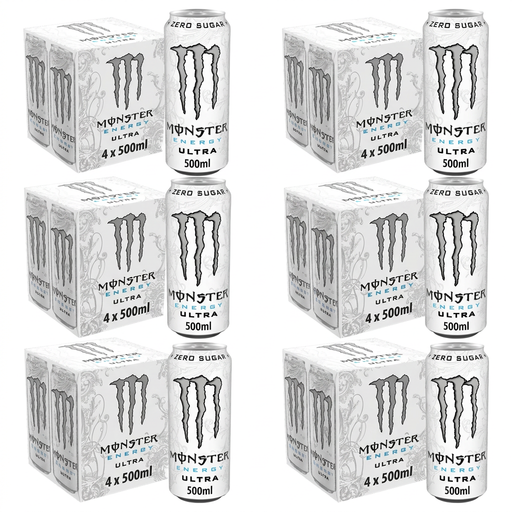 No image available
If you are considering a larger zero-sugar energy drink, check the caffeine amount on the exact can and include other caffeine consumed that day. Plan carbohydrate fuel and fluids separately when the session calls for them.
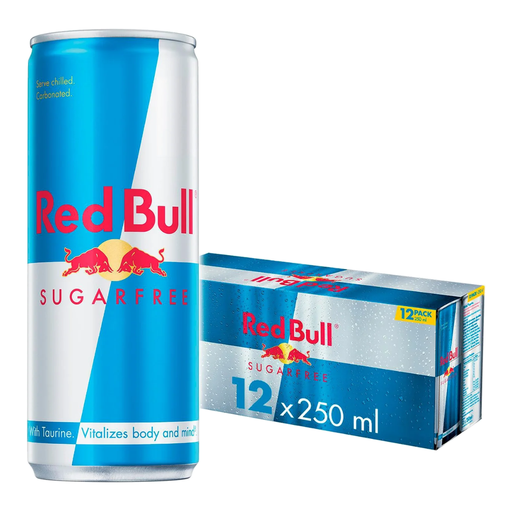 No image available
For an adult considering a smaller caffeine drink alongside separate fuel, Red Bull Great Britain states 80 mg caffeine per 250 ml Sugarfree can. The brand identifies sucralose and acesulfame K as sweeteners; check your total caffeine intake and the pack warnings.
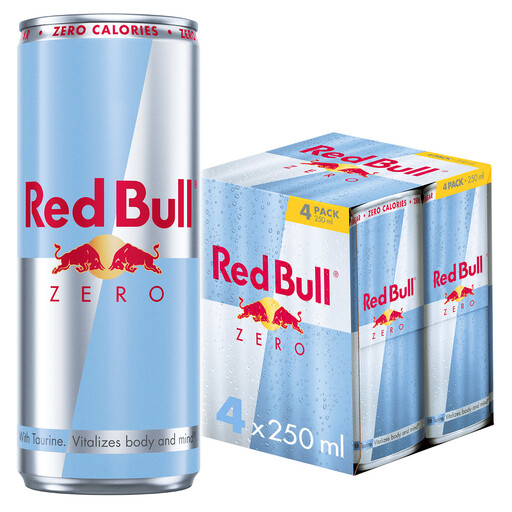 No image available
This is a distinct Red Bull variant in 250 ml cans. If sugar, total carbohydrate or caffeine affects your choice, read this variant’s own nutrition declaration rather than applying Sugarfree figures to it; arrange training fuel separately.
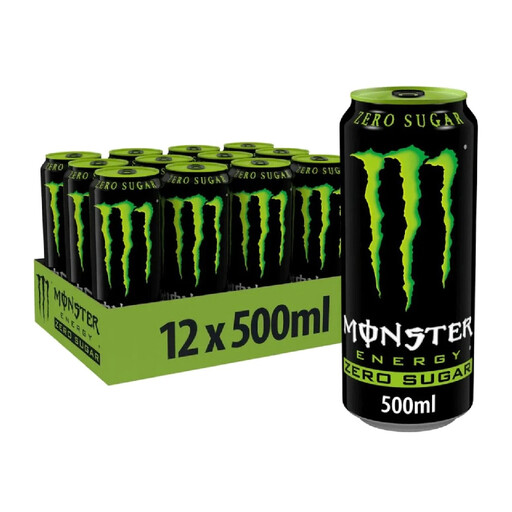 No image available
For a zero-sugar Monster variant, check the Green can’s size and caffeine declaration rather than borrowing figures from another Monster drink. It does not replace a carbohydrate-fuelling plan for a demanding session.
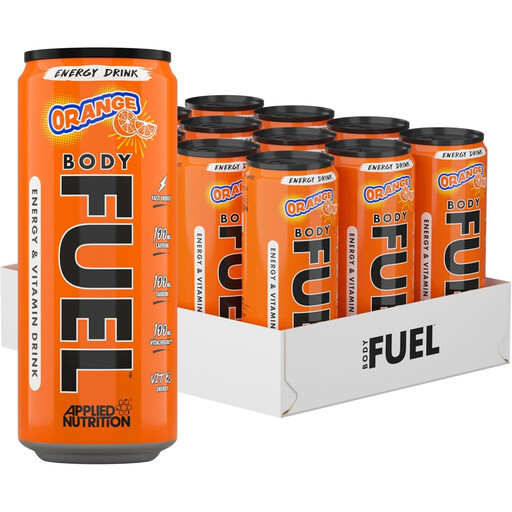 No image available
The 330 ml can offers another size to compare. Check its exact sugar, carbohydrate and caffeine declarations before deciding whether it fits your drink choice, and plan any carbohydrate needed for training separately.
Do not rely on one as your carbohydrate fuel when the session calls for it. Zero sugar alone does not specify total carbohydrate content, and the UK Sports Institute advises matching carbohydrate intake to training demands. Check the exact drink’s nutrition declaration and plan food or a fuelling product separately where needed.
Compare mg of caffeine per complete can and include other sources consumed that day. Red Bull Great Britain states 80 mg in a 250 ml Red Bull Sugarfree can; Monster Energy UK states 160 mg in a 500 ml Monster Energy Absolutely Zero can. Check the exact variant rather than transferring either figure to another drink.
No. In its 2015 assessment, the European Food Safety Authority said that single doses up to 200 mg and daily intakes up to 400 mg from all sources did not raise safety concerns for the general healthy adult population. That assessment does not cover people with relevant medical conditions or caffeine–medicine interactions, and its figures are not a personal training target.
Do not assume there is one UK-wide rule. The UK Government’s July 2026 announcement describes an intended restriction on sales of high-caffeine energy drinks to under-16s in England from April 2027, subject to Parliamentary approval. For a purchase, check the applicable nation, current rules and retailer policy.
Check the exact variant’s ingredients, nutrition declaration, container size, caffeine amount and warnings. UK government food-labelling guidance requires a specified high-caffeine warning for drinks containing more than 150 mg caffeine per litre; the warning is not a statement that the drink supplies carbohydrate fuel.