Gym-goers choosing a sugar-free caffeinated drink
If you want caffeine after training without sugar, compare the amount in the whole can. Keep the drink separate from any food or water you need after exercise.


A zero-sugar energy drink is an option if you specifically want a caffeinated drink without sugar, but it does not replace food or water after exercise. If you have sweated, the NHS recommends water to replace lost fluids; if you need a snack, University College London Hospitals describes carbohydrate-and-protein foods for use around exercise. Compare caffeine by the whole can before choosing a drink.
If you want caffeine after training without sugar, compare the amount in the whole can. Keep the drink separate from any food or water you need after exercise.
If you have sweated and mainly want to replace fluids, start with water, as the NHS recommends. Lucozade describes Sport Zero as an electrolyte-containing drink for low-intensity exercise, but it is a different choice from a caffeinated energy drink.
Check caffeine from the full can alongside coffee, tea and other products you consume. If you are pregnant, sensitive to caffeine or choosing for someone under 16, do not assume that a sugar-free label means the drink is suitable; check the product warnings.
Decide whether you want fluids, food or a caffeinated drink first. Then compare sugar and caffeine using the serving you would actually consume.
| Priority | What to check | Your needs |
|---|---|---|
| Replacing fluids | Consider how much you have sweated and whether you want water or a sports-drink format. The NHS identifies water as the preferred way to replace fluids lost through physical activity. | After a sweaty session, I mainly want a drink to replace lost fluids, not caffeine for its own sake. |
| Having a snack | Check whether you need food as well as a drink. University College London Hospitals describes carbohydrate-and-protein snacks as options used around exercise; a zero-sugar energy drink is not that food. | If I need a post-exercise snack, I will choose food separately rather than treating a can as the snack. |
| Sugar content | Read the sugar figure and ingredients for the particular variant. A sugar-free label does not tell you its caffeine content; check both on the pack. | I want a drink without sugar, while still knowing what else is in the can. |
| Caffeine per can | Compare whole-can amounts, can sizes and caffeine from other sources. Red Bull lists 80 mg in a 250 ml Sugarfree can; Monster lists 150 mg in a 500 ml Monster Ultra can. Check the label of the exact variant you buy. | Can I account for this entire serving alongside any coffee, tea or pre-workout product I have already had? |
A drink chosen for its caffeine or sugar content does not answer a separate need for food. University College London Hospitals describes carbohydrate-and-protein snacks for use around exercise.
Decide whether you need a snack, fluids or caffeine; choose food separately when a snack is the priority.
The amount consumed depends on the portion. Red Bull lists 80 mg caffeine in a 250 ml Sugarfree can, while Monster lists 150 mg in a 500 ml Monster Ultra can.
Use the caffeine figure for the whole can you intend to drink, and include other caffeine sources when assessing your intake.
Both Red Bull Sugarfree and Monster Ultra are described by their manufacturers as sugar-free options, yet both contain caffeine.
Check the caffeine and ingredient information for the exact product, particularly when choosing for someone who needs to limit caffeine.
A desire for caffeine is different from the need to replace fluids after sweating. The NHS identifies water as the preferred choice for that purpose.
Start with the reason you want a drink. If it is mainly fluid replacement, consider water before comparing caffeinated products.
Red Bull Sugarfree is a small-can example for shoppers comparing sugar-free caffeinated drinks. Red Bull lists 80 mg caffeine in its 250 ml can.
Monster describes its 500 ml Monster Ultra as a zero-sugar energy drink containing 150 mg caffeine. Check the pack when choosing a particular Ultra variant.
Lucozade positions Sport Zero as a zero-sugar sports drink with electrolyte for low-intensity exercise, rather than as a caffeinated energy-drink choice.
These are sugar-free energy-drink options for shoppers who want to compare a caffeinated drink after the gym. Choose food separately if you need a snack, and consider water for fluids lost through sweating.
 No image available
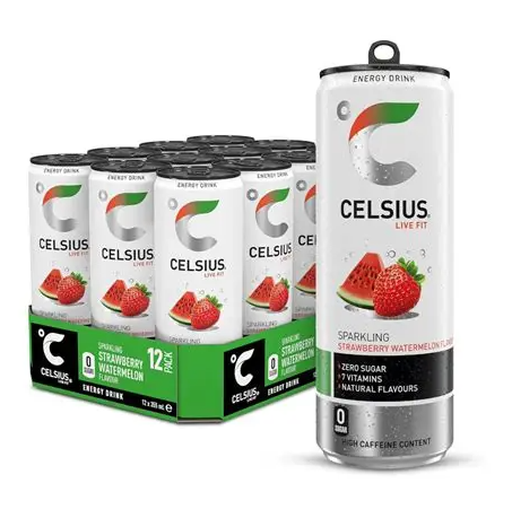
A flavoured energy-drink option if you specifically want a caffeinated drink after training. The pack contains 12 × 355 ml cans; check the sugar and whole-can caffeine figures on the product label, and choose food or water separately when needed.
 No image available
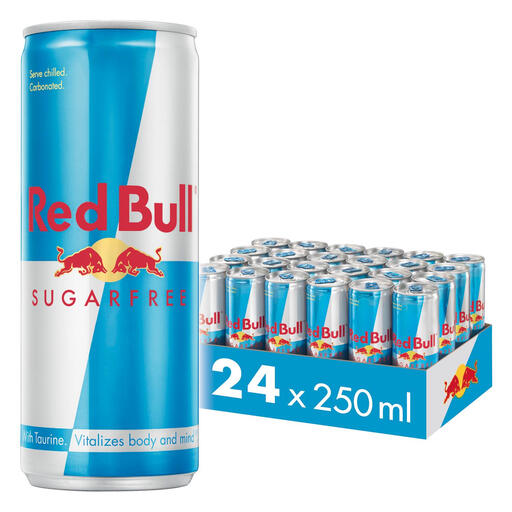
A sugar-free, smaller-can choice if you want caffeine rather than a snack. This is a 24-pack of 250 ml cans; Red Bull lists 80 mg caffeine per can. Check the pack ingredients if particular sweeteners matter to you.
 No image available
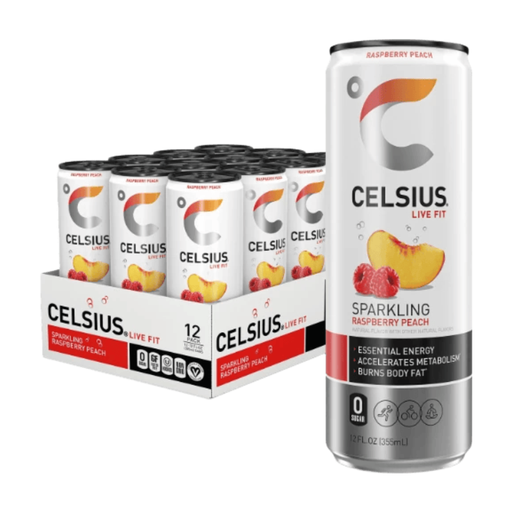
Another flavoured energy-drink option, supplied as 12 × 355 ml cans. If caffeine control matters, check the figure for one full can against other sources you consume; the drink does not take the place of food after exercise.
 No image available
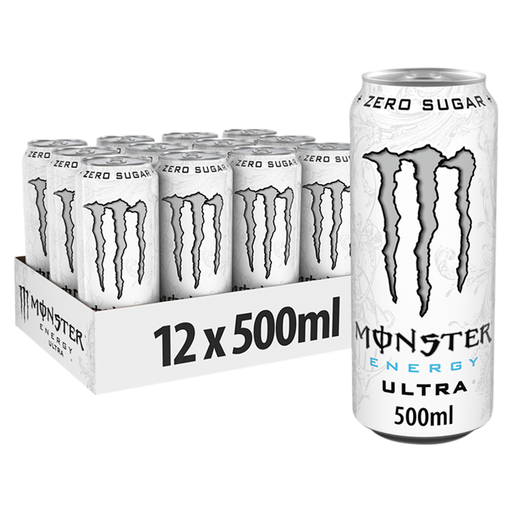
A zero-sugar, larger-can option supplied as 12 × 500 ml cans. Check the caffeine amount on the exact can before including it in your daily intake; choose food separately if you need a post-exercise snack.
No: it is a drink, not a substitute for food when you need a snack. University College London Hospitals describes carbohydrate-and-protein snacks for use around exercise, so choose food separately if that is your aim.
No. Red Bull lists 80 mg caffeine in a 250 ml Sugarfree can, and Monster lists 150 mg in a 500 ml Monster Ultra can. Check the whole-can figure for the exact product rather than relying on its sugar-free label.
For replacing fluids lost through physical activity, the NHS recommends water. If you specifically want a sports-drink format, check its stated ingredients and intended use; Lucozade positions Sport Zero for low-intensity exercise, but it does not replace food when you need a snack.
Compare the amount in the full can you plan to drink, then account for caffeine from other products. Red Bull lists 80 mg per 250 ml Sugarfree can and Monster lists 150 mg per 500 ml Monster Ultra can; check the label of the particular variant before deciding.