For a typical recreational 5k, choose water to replace fluid lost through exercise rather than relying on a fizzy drink for fuel; this follows NHS hydration guidance and British Dietetic Association advice for recreational runners. A regular sugary drink contains carbohydrate, but zero-sugar fizz does not provide meaningful carbohydrate fuel. The British Dietetic Association says carbohydrate during exercise can be useful when exercising hard for longer than an hour, so the demands of the session matter more than whether a drink is fizzy.
Who is choosing a drink?
For a 5k, the useful distinction is whether you need a drink for hydration, want carbohydrate for a more demanding session, or simply prefer something fizzy at another time.
Recreational 5k runners
If your run is an ordinary recreational outing, start with water for hydration rather than assuming you need a specialist drink. The British Dietetic Association says carbohydrate during exercise can enhance performance when exercising hard for longer than an hour; that condition should not be applied automatically to every 5k.
Runners comparing regular and zero-sugar fizz
A regular drink may contain carbohydrate, while a zero-sugar variant may offer the flavour without meaningful carbohydrate fuel. Check the exact drink and serving size if its sugar content matters to your choice.
Runners who want to avoid caffeine or carbonation
Caffeine status depends on the variant, not whether its label says zero sugar. If a fizzy drink feels uncomfortable around a run, choose a drink you tolerate instead of assuming carbonation will suit the occasion.
What matters for a 5k?
Decide what the drink needs to do before comparing flavours: replace fluid, provide carbohydrate for a demanding session, or offer a fizzy taste outside the run.
| Priority |
What to check |
Your needs |
| Hydration |
Consider the weather, how much you are sweating and access to water. The NHS identifies water as the preferred way to replace fluid lost through physical activity. |
For a straightforward 5k, I want a drink that meets my hydration needs without treating fizz as essential. |
| Session demands |
Consider how hard and long you will exercise. The British Dietetic Association says carbohydrate during exercise can enhance performance when exercising hard for longer than an hour. |
If my outing is longer or more demanding than a typical recreational 5k, I need to plan carbohydrate around that session rather than assume any sugary drink will do. |
| Sugar and carbohydrate |
Read the per 100ml and per-serving values on the exact variant. Coca-Cola GB lists 10.6g sugars per 100ml for Original Taste and 0g carbohydrate and sugars per 100ml for Coca-Cola Zero Sugar; Pepsi UK lists 4.5g sugars per 100ml for regular Pepsi. |
I want to know whether I am choosing carbohydrate or choosing a fizzy flavour without meaningful carbohydrate fuel. |
| Caffeine |
Check the exact product name and ingredients. Coca-Cola GB lists caffeine flavouring in Coca-Cola Zero Sugar, while Pepsi UK identifies Pepsi Max No Caffeine as a separate no-caffeine variant. |
When I do not want caffeine, I look for a specifically labelled caffeine-free drink rather than relying on a zero-sugar claim. |
| Carbonation |
Think about when you plan to drink it and whether fizz suits you around exercise. For hot working conditions, the Health and Safety Executive advises cool water rather than carbonated drinks; that guidance is not a test of every runner or every 5k. |
If fizz does not suit me close to a run, I can keep it for another time and choose water during the outing. |
Mistakes to avoid
-
Assuming every fizzy drink serves as a hydration drink
A fizzy flavour does not establish that a drink is the right choice for replacing fluid during exercise. The NHS identifies water as the preferred way to replace fluid lost through physical activity.
Use water as your starting point for a recreational 5k, and decide separately whether you want fizz outside the run.
-
Confusing zero sugar with run fuel
Coca-Cola GB and Pepsi UK list 0g sugars per 100ml for Coca-Cola Zero Sugar and Pepsi Max respectively. A zero-sugar choice should not be treated as a meaningful source of carbohydrate for exercise.
If carbohydrate during exercise is relevant to a longer, harder session, plan for that need directly rather than choosing by flavour alone.
-
Assuming zero sugar also means caffeine-free
Coca-Cola Zero Sugar lists caffeine flavouring, whereas Pepsi Max No Caffeine is a distinct variant. The sugar claim does not settle the caffeine question.
Read the name and ingredients on the exact can or bottle when avoiding caffeine.
-
Relying on an old ingredient description
Tesco warns that food products can be reformulated, including changes to ingredients and nutrition information.
Check the current pack label if a particular ingredient or nutrition value affects your choice.
Brand and variant references
These examples show why the exact variant matters; a brand name alone does not tell you its sugar or caffeine content.
Coca-Cola
The UK Original Taste and Zero Sugar variants illustrate different carbohydrate choices within one cola range.
- Coca-Cola GB lists Original Taste at 10.6g sugars per 100ml and Zero Sugar at 0g carbohydrate and sugars per 100ml.
- Both cited variants list caffeine flavouring; Zero Sugar is not the caffeine-free version.
Pepsi
Compare regular Pepsi with the separately named Pepsi Max No Caffeine when sugar and caffeine are both part of the decision.
- Pepsi UK lists regular Pepsi at 4.5g sugars per 100ml and identifies Pepsi Max No Caffeine as containing no sugar and no caffeine.
- The no-sugar variant is a taste choice, not meaningful carbohydrate fuel for a run.
Sprite
Sprite provides a lemon-and-lime example of why regular and zero-sugar labels need to be read separately.
- Coca-Cola GB lists Sprite at 4.4g sugars per 100ml and Sprite Zero at 0g sugars per 100ml.
- Check the current ingredients and nutrition panel on the variant you intend to buy.
Fanta
Fanta Orange Zero is an orange-flavoured sparkling option for readers comparing non-cola tastes.
- Tesco describes Fanta Orange Zero as caffeine-free.
- Check the current pack if its ingredients or nutrition values are important to your choice.
Dr Pepper
Regular and Zero are distinct sparkling fruit-flavour variants, so do not transfer a claim from one to the other.
- Tesco describes regular Dr Pepper as a sparkling fruit-flavour soft drink with sugar and sweeteners.
- Tesco warns that formulations and nutrition information can change; confirm the current label for the exact variant.
Joybuy sparkling drink options
These options cover sparkling water and fizzy drinks to consider for taste around a 5k. They are not a substitute for deciding what you need to drink during the run.
 No image available
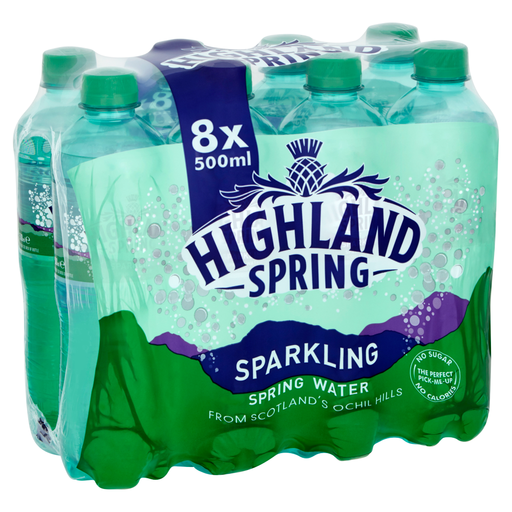
Highland Spring Sparkling Spring Water 8 × 500ml
Consider this if you want water with fizz around a recreational 5k. The pack contains eight 500ml bottles; if carbonation does not suit you during exercise, choose still water for the run instead.
View on Joybuy
 No image available
Pepsi Max Caffeine Free 24 × 330ml
For a fizzy cola when you do not want caffeine, this is the caffeine-free variant rather than regular Pepsi Max. Pepsi UK identifies Pepsi Max No Caffeine as having no sugar and no caffeine, so choose it for taste rather than carbohydrate fuel; check the pack if ingredients matter to you.
View on Joybuy
 No image available
Coca-Cola Zero Sugar 24 × 330ml
This is a cola option for fizzy taste without meaningful carbohydrate fuel. Coca-Cola GB lists 0g carbohydrate and sugars per 100ml for Zero Sugar, but its ingredients include caffeine flavouring; the pack contains 24 × 330ml cans.
View on Joybuy
 No image available
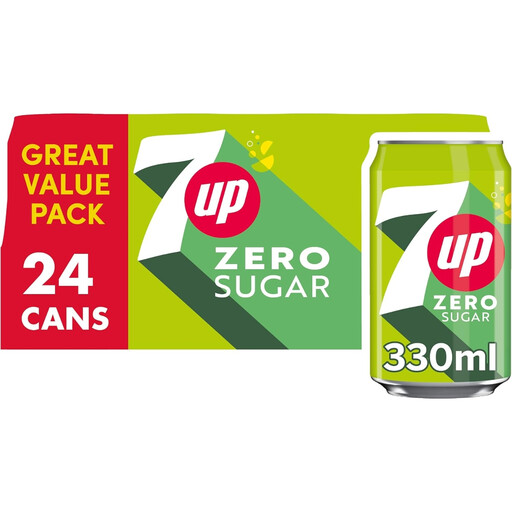
7UP Zero 24 × 330ml
Consider this lemon-and-lime fizzy option if you prefer it to a cola outside the run. The pack contains 24 × 330ml cans; check the current label for carbohydrate, sugar and caffeine details before relying on it for a particular need.
View on Joybuy
Questions about drinks and 5k runs
Do I need a fizzy drink to fuel a 5k?
Usually not for a typical recreational 5k. The British Dietetic Association says recreational runners generally do not need specialist sports drinks and that carbohydrate during exercise can enhance performance when exercising hard for longer than an hour. Choose water for hydration, and consider food before the run if you need to plan your carbohydrate intake.
Will zero-sugar fizz provide carbohydrate for running?
Do not count on the cited zero-sugar variants as meaningful carbohydrate fuel. Coca-Cola GB lists 0g carbohydrate per 100ml for Coca-Cola Zero Sugar, while Pepsi UK lists 0g carbohydrate per 100ml for Pepsi Max. Check the exact variant rather than assuming all fizzy drinks have the same nutrition values.
Can regular cola replace an isotonic sports drink?
Sugar content alone does not establish that a cola has the composition of an isotonic drink. Coca-Cola GB lists 10.6g sugars per 100ml for Original Taste; an NHS Tayside exercise resource describes isotonic drinks as containing electrolytes and 4–8g carbohydrate per 100ml. Compare the full product information against the demands of your session rather than treating the drinks as interchangeable.
Which fizzy options can I choose if I want to avoid caffeine?
Look for a specifically identified caffeine-free variant and check its current label. Pepsi UK identifies Pepsi Max No Caffeine as containing no caffeine, and Tesco describes Fanta Orange Zero as caffeine-free. Coca-Cola GB lists caffeine flavouring in both Original Taste and Zero Sugar, so zero sugar alone is not a caffeine-free claim.


