Regular breakfast fizzy-drink buyers
If a fizzy drink is becoming part of your weekday routine, its sugar content, caffeine and acidity are worth checking alongside flavour.


For a regular weekday breakfast, start with water or plain sparkling water if you want a drink without a sweet flavour, in line with NHS hydration guidance. If you prefer a flavoured fizzy drink, compare sugars per 100ml and check whether the exact variant contains caffeine. A zero-sugar recipe changes the sugar content, but it does not remove the dental-acidity consideration identified by Queen Victoria Hospital NHS Foundation Trust.
If a fizzy drink is becoming part of your weekday routine, its sugar content, caffeine and acidity are worth checking alongside flavour.
If you want cola with breakfast but are limiting caffeine, compare the named variants rather than relying on a zero-sugar label. NHS guidance also sets a daily caffeine limit for pregnant people.
If you prefer cola, lemon-and-lime or fruit flavours, compare the regular and zero-sugar versions of the exact drink you plan to buy.
Decide whether plain sparkling water meets the need for fizz, then compare the label on any flavoured drink you are considering.
| Priority | What to check | Your needs |
|---|---|---|
| Drink type | Choose between plain sparkling water and a flavoured fizzy drink. Check the exact flavour and variant if you want sweetness. | I want some fizz with breakfast, but I do not necessarily want a sweet drink. |
| Sugars | Compare sugars per 100ml on the exact pack, then consider how much you will drink. Coca-Cola Great Britain lists 10.6g per 100ml for Coca-Cola Original Taste and 4.4g per 100ml for Sprite; their variants differ. | If I have a flavoured drink on most weekdays, I want to know whether the one I choose contains sugar rather than judge it by brand name. |
| Caffeine | Check the variant name and ingredients for caffeine or explicit caffeine-free wording. The NHS advises pregnant people not to exceed 200mg of caffeine a day from all sources. | Tea or coffee may already be part of my morning, so I need to know whether a cola adds caffeine. |
| Teeth | Consider how often you drink fizzy drinks, not just their sugar content. Queen Victoria Hospital NHS Foundation Trust advises limiting fizzy drinks because they can be acidic; sugary versions also raise tooth-decay concerns. | I want to avoid treating a zero-sugar fizzy drink as interchangeable with water for a daily routine. |
| Ingredients | Read the sweetener list and any phenylalanine statement on the precise variant. Coca-Cola Great Britain, PepsiCo and Sprite product information identifies a source of phenylalanine in several named zero-sugar drinks. | If an ingredient matters to me, I need to check this pack rather than assume all zero-sugar recipes are alike. |
PepsiCo lists caffeine in standard Pepsi Max, while Pepsi Max No Caffeine is a separate variant.
Check caffeine-free wording and the ingredients on the exact drink you intend to buy, especially if you monitor caffeine from other drinks.
Queen Victoria Hospital NHS Foundation Trust notes that fizzy drinks can be acidic; removing sugar does not make a fizzy drink the same choice as water for teeth.
Consider how often you drink it, and use water as your routine hydration choice.
A brand may offer regular, zero-sugar and caffeine-free drinks with different ingredients.
Compare sugars per 100ml, caffeine wording, ingredients and pack size for the precise flavour and format.
The Great Britain range includes Coca-Cola Original Taste and named zero-sugar and caffeine-free variants.
Pepsi Max and Pepsi Max No Caffeine offer a useful variant comparison for cola drinkers.
A lemon-and-lime option with regular Sprite and Sprite Zero variants.
A fruit-flavoured range; Tesco Groceries listed Fanta Zero Orange and Fanta Zero Fruit Twist in its fizzy-drinks catalogue.
A retailer and own-label reference when comparing branded drinks with options such as Tesco Diet Lemonade and Tesco Lemon & Lime Zero.
These options cover plain sparkling water and flavoured fizzy drinks labelled zero sugar or caffeine-free. Choose by the flavour, ingredients and pack format that suit your breakfast routine.
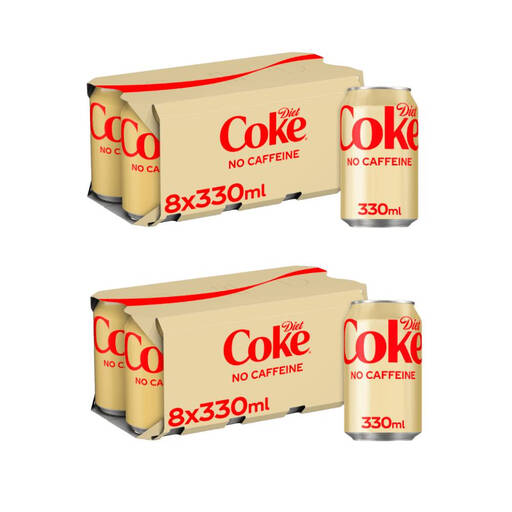 No image available
A cola option if avoiding caffeine matters at breakfast. The pack contains two sets of eight 330ml cans; check the current pack for sugars, sweeteners and any ingredient restrictions relevant to you.
 No image available
A named caffeine-free cola variant for someone who wants a flavoured fizzy drink at breakfast. PepsiCo lists 0g sugars per 100ml and a source of phenylalanine for its Pepsi Max No Caffeine variant; check the pack if ingredients matter to you. This format contains 24 cans.
 No image available
A zero-sugar cola choice if that flavour is the priority. The pack contains 24 cans of 330ml; check the exact variant for caffeine and ingredients rather than assuming zero sugar also means caffeine-free.
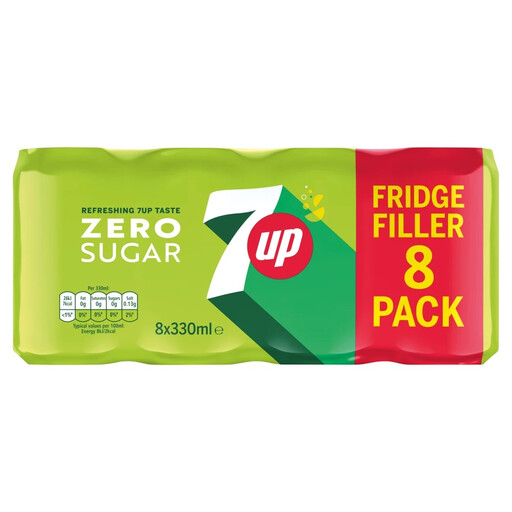 No image available
A zero-sugar option if you prefer this flavour to cola at breakfast. It comes as eight 330ml cans; read the current pack for caffeine status, sweeteners and any phenylalanine statement that matters to you.
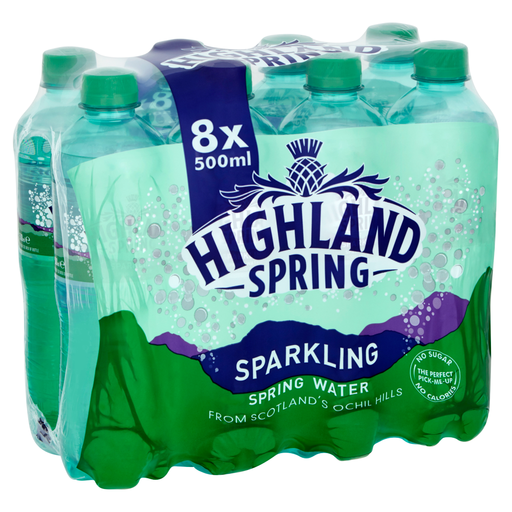 No image available
A plain sparkling-water option if you want fizz without a flavoured soft drink. The pack contains eight 500ml bottles; it will not provide a cola or fruit flavour.
No. A zero-sugar variant differs from a sugary recipe in its listed sugars, but Queen Victoria Hospital NHS Foundation Trust advises limiting fizzy drinks because they can be acidic. The NHS identifies water as a choice for hydration, including sparkling water if you prefer it to still water.
Read the exact variant name and ingredients. PepsiCo lists caffeine in standard Pepsi Max, while Pepsi Max No Caffeine is a distinct product; Coca-Cola also has a named Zero Sugar Caffeine Free variant.
Check the statement on the exact pack before choosing a zero-sugar drink. Product information from Coca-Cola Great Britain and PepsiCo identifies a source of phenylalanine in named variants including Coca-Cola Zero Sugar Caffeine Free, Pepsi Max and Pepsi Max No Caffeine.