Households sharing a breakfast shop
A 2-litre bottle can be shared, but it need not become the everyday breakfast drink. NHS guidance advises keeping the frequency and amount of sugary food and drinks as low as possible.


For weekday breakfast, keep water as the usual drink rather than making a 2-litre fizzy bottle the default. If you want a bottle to share occasionally, a zero-sugar recipe fits a sugar-reduction priority; check caffeine separately, because zero sugar does not mean caffeine-free. Also check whether you need one bottle or a multipack.
A 2-litre bottle can be shared, but it need not become the everyday breakfast drink. NHS guidance advises keeping the frequency and amount of sugary food and drinks as low as possible.
If you want cola or fruit-flavoured fizz while reducing sugar, compare the nutrition information on the exact regular and zero-sugar recipes. A familiar brand name alone does not identify which recipe is in the bottle.
Sugar content and caffeine content are separate checks. Pepsi describes Pepsi Max Caffeine-Free as containing neither, while the ingredient list for Pepsi Max Lime includes caffeine; check the variant you intend to buy.
Start with who will drink it and whether it is for breakfast itself or another occasion; then compare the exact recipe, flavour and pack size.
| Priority | What to check | Your needs |
|---|---|---|
| Sugar | Read sugars per 100ml on the exact bottle. Compare regular and clearly labelled zero-sugar recipes rather than assuming every flavour has the same formulation. | I want a fizzy option without choosing a regular-sugar recipe for routine breakfasts. |
| Breakfast drink | Consider who will share the bottle. The NHS recommends water for hydration and says children should avoid sugary fizzy drinks. | If children are drinking with us, I want water available at breakfast instead of relying on a large fizzy bottle. |
| Caffeine | Look for an explicit caffeine-free statement on the exact variant and check its ingredients. Do not use a zero-sugar label as a caffeine check. | Someone in the household avoids caffeine, so the particular cola recipe matters more than its sugar label alone. |
| Flavour and quantity | Choose between cola and other flavours, then confirm whether the listing is for one 2-litre bottle or a multipack. | We want a flavour people will share, but may not need several large bottles at once. |
A bottle intended for sharing can also make a sugary drink a frequent choice. NHS guidance advises keeping both the frequency and amount of sugary food and drinks as low as possible.
Keep water available at breakfast and decide separately whether to buy a fizzy drink for an occasional shared occasion.
Those labels describe different characteristics. Pepsi identifies Pepsi Max Caffeine-Free separately, while its Pepsi Max Lime ingredient list includes caffeine.
If caffeine avoidance matters, check the statement and ingredients on the exact bottle, not just the name of the product range.
Coca-Cola GB lists 10.6g sugars per 100ml for Coca-Cola Original Taste; Pepsi UK lists 4.5g per 100ml for Pepsi Classic. Neither figure describes every variant from either brand.
Read the chosen bottle’s per-100ml panel before deciding between a regular recipe and its zero-sugar alternative.
Brand ranges contain different recipes, so use these as starting points and check the label of the bottle you choose.
Its Original Taste and Zero Sugar names distinguish regular and zero-sugar cola routes.
Pepsi offers separately named regular, zero-sugar and caffeine-free cola recipes.
Fanta Orange and Fanta Zero Orange are fruit-flavoured alternatives to cola in the 2-litre format listed by Tesco.
Regular and Zero 2-litre listings provide a choice for shoppers who want Dr Pepper’s flavour.
Tesco own-label zero-sugar fizzy-drink flavours provide another recipe to consider alongside branded bottles.
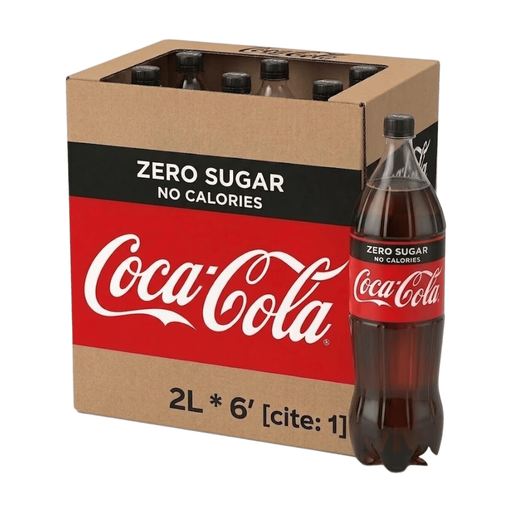
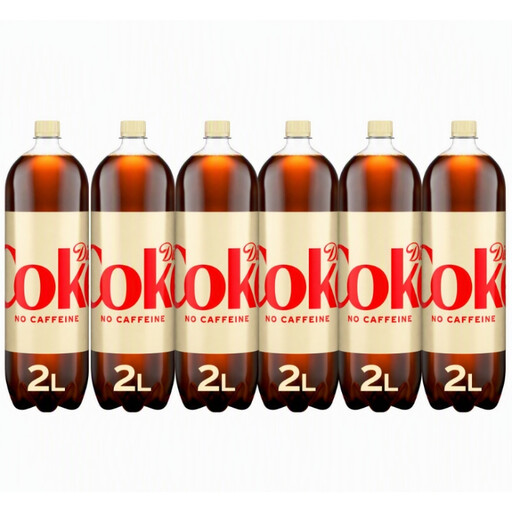
These are six-bottle packs of 2-litre zero-sugar colas for households considering a shared fizzy drink. Neither should replace water as the usual breakfast drink.
 No image available
A zero-sugar-labelled cola in a pack of six 2-litre bottles for sharing or stocking up. The product information flags caffeine, so choose another variant if the household needs to avoid it. If phenylketonuria is relevant, check the bottle’s aspartame and phenylalanine information.
 No image available
This six-bottle, 2-litre cola pack is labelled Caffeine Free, but its product information also refers to caffeine. If avoiding caffeine is essential, confirm the ingredients on the exact bottle before buying. Check the aspartame and phenylalanine information if phenylketonuria is relevant.
No. The NHS recommends water for replacing lost fluids and advises keeping the frequency and amount of sugary drinks as low as possible. A fizzy bottle can be a separate, occasional choice for sharing.
The NHS says children should avoid sugary fizzy drinks and that fizzy drinks should not be given to babies and young children because their acidity can damage tooth enamel. Keep water available at breakfast rather than choosing a large fizzy bottle as their drink.
No. Check both characteristics on the exact variant. Pepsi describes Pepsi Max Caffeine-Free as containing zero sugar and zero caffeine, but lists caffeine among the ingredients of Pepsi Max Lime.
No. A listing marked 2L x 6 contains six bottles, not one. Check the quantity before choosing a pack for a weekday-breakfast shop.