Snackers cutting back on sugar
If you still want a fizzy drink alongside snacks, compare sugars per 100ml and per serving on the exact pack. The NHS names sugar-free and diet drinks among the alternatives to sugary fizzy drinks.


If you want a fizzy drink with TV-night snacks while reducing sugar, choose a diet or zero-sugar variety after checking the nutrition panel; the NHS lists these as alternatives to sugary fizzy drinks. For late-evening caffeine avoidance, choose a variant explicitly labelled caffeine-free rather than assuming “zero sugar” means no caffeine. If dental considerations are the priority, keep plain, non-fizzy water available too: sugar-free fizz is not equivalent to water.
The right label checks depend on whether sugar, late-evening caffeine or a family drinking routine is driving the choice.
If you still want a fizzy drink alongside snacks, compare sugars per 100ml and per serving on the exact pack. The NHS names sugar-free and diet drinks among the alternatives to sugary fizzy drinks.
Check the named variant, not just its diet or zero-sugar wording. Pepsi UK lists caffeine in Pepsi Max and Diet Pepsi, but labels Pepsi Max Caffeine Free as zero caffeine.
Keep plain water available rather than making fizzy drinks the only option throughout the evening. Northern Care Alliance NHS Foundation Trust’s dental advice for children aged 3–11 notes that fizzy drinks can decay teeth.
Choose the type of drink first, then compare the nutrition and ingredient information for the flavour and pack you intend to serve.
| Priority | What to check | Your needs |
|---|---|---|
| Sugar | Compare sugars per 100ml and per can. Check “zero sugar” and “no added sugar” wording against the nutrition panel: they need not describe identical amounts of naturally occurring sugar. | I want the fizz with less listed sugar than a regular version. The NHS suggests sugar-free or diet drinks as alternatives to sugary fizzy drinks; the exact product label still matters. |
| Caffeine | Look for caffeine in the ingredients or an explicit caffeine-free label on the exact variant. Do not infer caffeine status from a zero-sugar claim. | For a late TV night, I would rather choose a drink explicitly labelled caffeine-free than assume a diet cola has no caffeine. |
| Routine drinking | Consider whether the drink is an occasional accompaniment or what you will drink throughout the evening. Keep plain, non-fizzy water available. | I want something to have with snacks without replacing water with repeated servings of fizz. Northern Care Alliance NHS Foundation Trust’s dental advice says fizzy drinks can decay teeth. |
| Ingredients | Read the sweetener list and any “contains a source of phenylalanine” warning. Check the individual flavour and pack, as formulations differ. | If a particular ingredient or warning matters to me, I need the label of the drink I am actually buying, not an assumption about its brand or range. |
Front-of-pack wording does not replace the nutrition panel. Tesco lists naturally occurring sugars in its Fanta Orange Zero multipack, while Pepsi UK lists 0g sugars per 330ml for Pepsi Max.
Compare the exact cans’ sugar figures and ingredients before choosing between flavours or pack sizes.
Pepsi UK lists caffeine in Pepsi Max and Diet Pepsi, and Coca-Cola GB lists caffeine flavouring in Coca-Cola Zero Sugar. A sugar claim does not settle an evening caffeine choice.
Choose a specifically labelled caffeine-free variant if avoiding caffeine matters to you.
A zero-sugar claim addresses sugar, not every dental consideration. Northern Care Alliance NHS Foundation Trust’s guidance for children aged 3–11 notes that fizzy drinks can decay teeth.
Keep plain, non-fizzy water available for thirst as well as any drink served with snacks.
Product information for several diet and zero-sugar varieties carries “contains a source of phenylalanine” wording; sweetener formulations are not identical across drinks.
If you need to avoid phenylalanine, check the current warning on the exact product before buying it.
These examples illustrate why the named variant matters; a feature of one drink should not be assumed to apply to its whole brand.
Coca-Cola Zero Sugar is a cola-style option for comparing with the regular recipe; the brand also lists a separate Zero Sugar Zero Caffeine variant.
Pepsi Max and Diet Pepsi are separate no-sugar cola variants; Pepsi Max Caffeine Free is the explicitly caffeine-free option identified by Pepsi UK.
Sprite Zero offers a lemon-and-lime alternative when you do not want a cola flavour.
Fanta Orange Zero is a fruit-flavoured alternative to cola; Tesco describes the listed variant as caffeine-free.
Dr Pepper Zero is another flavour option when choosing a zero-sugar fizzy drink.
These multipacks offer zero-labelled or sugar-free fizzy-drink options for a TV night. Some named cola variants contain caffeine, so make the evening choice from the exact product label rather than the sugar wording alone.
 No image available
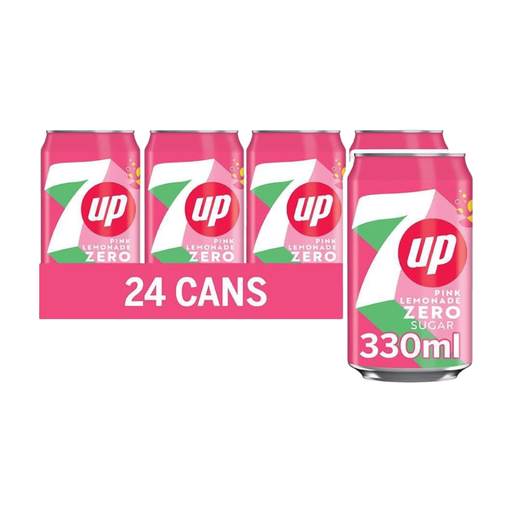
A lemonade-style multipack to consider when choosing fizz for an evening at home. Check the individual can’s nutrition and ingredient information if sugar, caffeine or sweetener warnings affect your choice.
 No image available
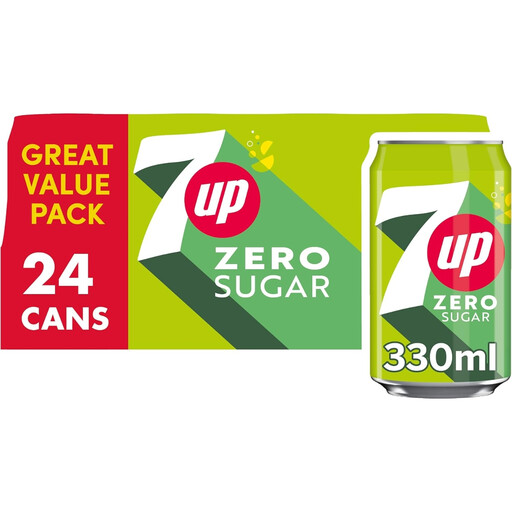
A zero-labelled canned option for sharing during a TV night. Read the exact pack’s sugar, caffeine and sweetener information before relying on the front-of-pack wording.
 No image available
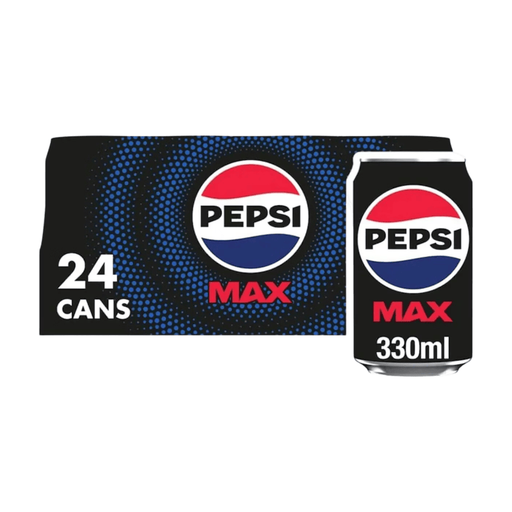
A zero-sugar cola choice if you want that flavour with snacks. Pepsi UK lists caffeine and a phenylalanine warning for Pepsi Max, so choose a specifically caffeine-free variant instead if you need to avoid caffeine.
 No image available
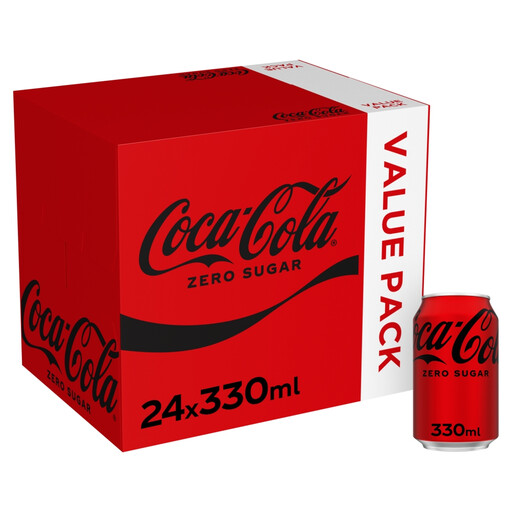
A zero-sugar cola option for the snack table. Coca-Cola GB lists caffeine flavouring and a phenylalanine warning for Coca-Cola Zero Sugar; its Zero Sugar Zero Caffeine drink is a different variant.
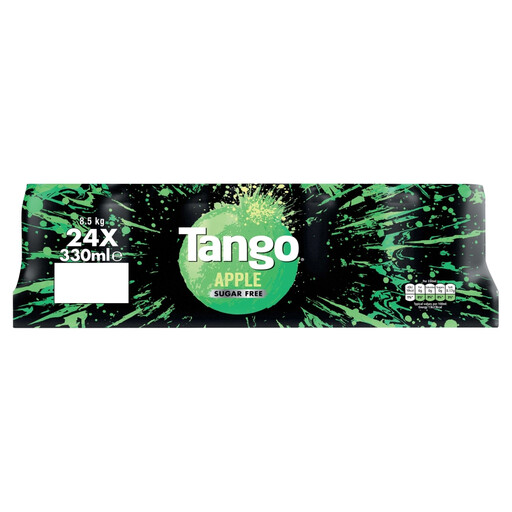 No image available
An apple-flavoured, sugar-free labelled option rather than a cola. If caffeine avoidance matters for a late TV night, confirm the status on the exact pack before choosing it.
Yes, when the exact drink’s nutrition panel confirms the difference you want. The NHS lists sugar-free, diet and no-added-sugar drinks as alternatives to sugary fizzy drinks, but the wording on the front of a can does not replace checking its sugars per serving.
No. Coca-Cola GB lists caffeine flavouring in Coca-Cola Zero Sugar, while Pepsi UK lists caffeine in Pepsi Max and Diet Pepsi. If you want to avoid caffeine at night, look for an explicitly caffeine-free variant, such as Pepsi Max Caffeine Free, and check the exact pack.
Some sweetened fizzy drinks carry a “contains a source of phenylalanine” warning, including variants identified in product information from Coca-Cola GB and Pepsi UK. If you need to avoid phenylalanine, check the current label of each flavour rather than assuming all zero-sugar drinks use the same ingredients.
No. The Department for Education’s school-food guidance concerns food and drink provided in state-funded schools in England, not a private snack at home. Its collection of school-food standards says proposed updated standards remain subject to Parliamentary approval for September 2027; that is not a UK-wide rule for home viewing.
No. A zero-sugar label addresses sugar, not every dental consideration associated with fizzy drinks. Northern Care Alliance NHS Foundation Trust’s advice for children aged 3–11 notes that fizzy drinks can decay teeth and recommends plain, non-fizzy water for thirst.