Holiday shoppers reducing sugar
If you are stocking a fridge or packing drinks for a picnic, compare sugars per 100ml on the exact pack. The NHS suggests water, sugar-free or no-added-sugar drinks as swaps for sugary drinks.


If you want less sugar in the fizzy drinks you buy for summer holidays, check the exact pack’s nutrition panel for 0g sugars per 100ml rather than relying on the word “diet”. Choose a clearly labelled caffeine-free variant if caffeine matters, or a zero-sugar non-cola flavour if you prefer one. The NHS notes that carbonated drinks are associated with dental erosion regardless of sugar content and does not recommend diet or reduced-sugar drinks for babies and young children.
If you are stocking a fridge or packing drinks for a picnic, compare sugars per 100ml on the exact pack. The NHS suggests water, sugar-free or no-added-sugar drinks as swaps for sugary drinks.
Zero sugar and caffeine free are different claims. Standard Coca-Cola Zero Sugar and Pepsi MAX list caffeine-containing flavourings; choose an explicitly caffeine-free variant if you need to avoid caffeine.
A lower-sugar choice for adults is not automatically a suitable routine drink for young children. The NHS says fizzy drinks can damage tooth enamel and does not recommend diet or reduced-sugar drinks for babies and young children.
Start with the exact variant’s sugar content, then check caffeine, flavour and ingredients against the people who will drink it.
| Priority | What to check | Your needs |
|---|---|---|
| Sugar | Read sugars per 100ml on the exact pack. Coca-Cola GB lists 0g for Coca-Cola Zero Sugar, while Pepsi UK lists 0g for Pepsi MAX. | I want a fizzy alternative to a regular sugary drink for holiday meals or outings. |
| Caffeine | Check for an explicit caffeine-free variant and read its ingredients. Standard Coca-Cola Zero Sugar and Pepsi MAX list caffeine-containing flavourings. | If I am avoiding caffeine, a zero-sugar label alone does not settle the choice. |
| Flavour | Choose the exact cola, lemon-and-lime or fruit-flavoured variant you want; check that variant’s nutrition panel rather than applying another flavour’s figures. | For a picnic, I might prefer a non-cola drink without changing my aim of buying a zero-sugar variant. |
| Ingredients | Read the sweetener list and any phenylalanine statement on the exact pack, particularly if buying for someone with phenylketonuria (PKU). | Someone drinking it may need to check a particular ingredient, regardless of the sugar figure. |
| Everyday drinks | Do not treat 0g sugars as a claim that a fizzy drink is tooth-neutral. The NHS associates carbonated drinks with dental erosion because of their acid content. | When choosing drinks for frequent use or for young children, I need to consider more than sugar alone. |
Standard zero-sugar colas may still list caffeine-containing flavourings, including Coca-Cola Zero Sugar and Pepsi MAX.
If you want to avoid caffeine, select a variant explicitly labelled caffeine free and check the exact pack.
The NHS associates carbonated drinks with dental erosion because of their acid content, whether or not they contain sugar.
Keep that distinction in mind when choosing routine drinks, especially for young children: the NHS does not recommend diet or reduced-sugar drinks for babies and young children.
Some zero-sugar variants list aspartame and carry a phenylalanine statement, which matters when buying for someone with PKU.
Check the ingredient list and warning on the exact pack rather than assuming all zero-sugar recipes use the same sweeteners.
Pepsi UK lists 4.5g sugars per 100ml for Pepsi Classic and 0g for Pepsi MAX. Similar-looking brand variants need not have the same sugar content.
If reducing sugar is your aim, compare the variant name and its per-100ml nutrition panel before buying.
These brand examples illustrate variants to compare; always use the label for the particular drink and flavour you choose.
Its Zero Sugar cola and separately labelled caffeine-free variant address different caffeine preferences.
Pepsi MAX and Pepsi MAX Caffeine Free offer distinct cola variants.
A lemon-and-lime alternative for shoppers who do not want cola.
Coca-Cola GB identifies Fanta Zero within its low- and no-sugar range.
Dr Pepper Zero is another non-cola flavour to compare.
These canned multipacks cover zero-sugar cola, a caffeine-free cola variant and non-cola flavours for summer gatherings. Compare each exact pack with your sugar, caffeine and ingredient requirements.
 No image available
A caffeine-free cola variant to consider when stocking cans for a gathering. Check the pack’s sweeteners and phenylalanine statement if buying for someone with PKU.
 No image available
A zero-sugar cola multipack for occasions when caffeine is acceptable. Pepsi UK lists 0g sugars per 100ml for Pepsi MAX; its ingredients include flavourings with caffeine and aspartame.
 No image available
A zero-sugar cola multipack for sharing when caffeine is acceptable. Coca-Cola GB lists 0g sugars per 100ml for Coca-Cola Zero Sugar and includes caffeine flavouring in its ingredients.
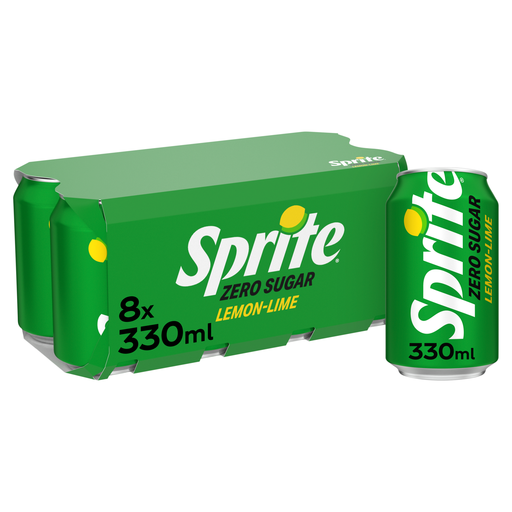 No image available
A smaller canned multipack to consider if you prefer lemon and lime to cola. Check this variant’s nutrition panel, ingredients and caffeine information against your requirements.
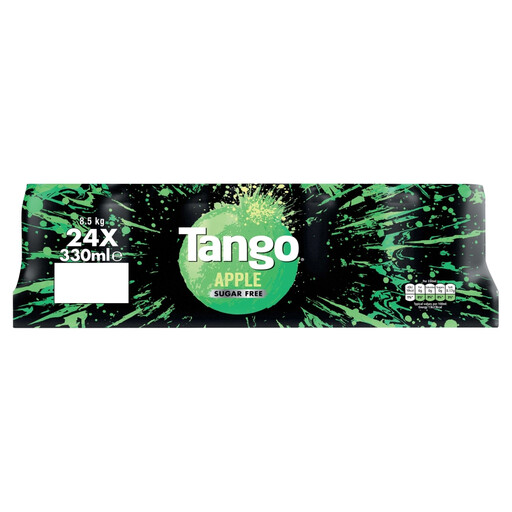 No image available
An apple-flavoured canned option for gatherings when cola is not your preference. Check the exact pack’s nutrition panel, sweeteners and caffeine information before buying.
Yes, if the exact variant lists 0g sugars per 100ml, it meets that sugar-reduction aim. Check the nutrition panel rather than assuming all drinks from the same brand have the same sugar content; the NHS also suggests water as a swap for sugary drinks.
No. Standard Coca-Cola Zero Sugar and Pepsi MAX list caffeine-containing flavourings. If caffeine avoidance matters, look for an explicitly caffeine-free variant and check its ingredients.
They can. The NHS associates carbonated drinks with dental erosion because of their acid content, regardless of whether they contain sugar.
No. The NHS does not recommend diet or reduced-sugar drinks for babies and young children and notes that fizzy drinks can damage tooth enamel.
Read the ingredient list and any phenylalanine statement on the exact pack. This is particularly important when buying for someone with phenylketonuria (PKU), as sweetener ingredients vary by drink and variant.