People choosing a drink before training
If you want a flavoured fizzy drink without listed sugars, decide separately whether you also want food. The reviewed brand nutrition panels show little energy or carbohydrate in these zero-sugar drinks.


Choose a zero-sugar fizzy drink for its flavour and caffeine status, not as a replacement for pre-workout food. Pepsi Max No Caffeine is explicitly caffeine-free, while Coca-Cola Zero Sugar, Pepsi Max and Dr Pepper Zero list caffeine; if replacing fluid lost during exercise is the main aim, the NHS recommends water.
If you want a flavoured fizzy drink without listed sugars, decide separately whether you also want food. The reviewed brand nutrition panels show little energy or carbohydrate in these zero-sugar drinks.
If you train late or prefer not to have caffeine, look for an explicit caffeine-free variant. Pepsi UK describes Pepsi Max No Caffeine as having zero caffeine; its standard Pepsi Max lists caffeine in the ingredients.
A fizzy drink may appeal for its flavour, but the NHS recommends water to replace fluids lost through physical activity. Keep that distinction in mind when deciding what to drink around exercise.
Start with the individual drink’s sugar claim and nutrition panel, then check caffeine and ingredients against what you want before the session.
| Priority | What to check | Your needs |
|---|---|---|
| Sugar | Read the individual product’s no-added-sugars claim, ingredients and sugars figure on the nutrition panel. Do not apply one variant’s label to an entire brand range. | I want a fizzy drink that meets my no-added-sugar requirement, rather than assuming every cola or lemonade variant does. |
| Caffeine | Check for caffeine in the ingredients or an explicit caffeine-free statement. Pepsi UK describes Pepsi Max No Caffeine as caffeine-free; Coca-Cola GB and Pepsi UK list caffeine in Coca-Cola Zero Sugar, Dr Pepper Zero and standard Pepsi Max. | If I am avoiding caffeine before a late session, I need more than a zero-sugar label to make that choice. |
| Food before exercise | Compare the drink’s energy and carbohydrate figures with the reason you wanted a snack. Pepsi UK lists 2 kcal and 0g sugars per 330ml for Pepsi Max No Caffeine. | A flavoured drink suits me, but if I want food before training, I will choose that separately. |
| Fluids | Decide whether you want a flavoured drink or mainly need to replace fluid lost through activity. The NHS recommends water for the latter. | When I am mainly thirsty after exercise, I want to keep fluid replacement separate from flavour preference. |
| Ingredients | Check the current pack for its sweeteners and any source-of-phenylalanine statement, especially when switching variants. | Particular ingredients or label statements may matter to me; I do not assume all zero-sugar drinks use the same formulation. |
The reviewed brand nutrition panels list 0g sugars and little energy, so these drinks do not serve the same purpose as food chosen for energy or nutrients before exercise.
Pick the drink for flavour and caffeine preference; decide separately whether you want something to eat.
Coca-Cola Zero Sugar, Pepsi Max and Dr Pepper Zero list caffeine, whereas Pepsi UK explicitly describes Pepsi Max No Caffeine as caffeine-free.
If avoiding caffeine matters, check the exact variant and its current ingredient list. The NHS advises pregnant people not to exceed 200mg of caffeine a day from all sources.
The reviewed brand products list sweeteners, and their product information includes source-of-phenylalanine statements. Formulations need not be identical across flavours.
Read the current pack when a particular sweetener or phenylalanine statement matters to your choice.
Coca-Cola GB lists 0g sugars per 100ml for Coca-Cola Zero Sugar, a cola option whose ingredients include caffeine flavouring.
Pepsi UK lists both standard Pepsi Max, whose ingredients include caffeine, and Pepsi Max No Caffeine, which it describes as having zero caffeine and zero sugar.
Coca-Cola GB lists 0g sugars and 1 kcal per 100ml for Sprite Zero, a lemon-and-lime alternative to cola.
Coca-Cola GB lists 0g sugars and 0.5 kcal per 100ml for Dr Pepper Zero.
These options include caffeine-free cola, cola with listed caffeine and a non-cola lemonade-style drink. Choose by the exact variant and current pack information, not by flavour category alone.
 No image available
A cola option when you want the named caffeine-free variant before a session. Pepsi UK describes Pepsi Max No Caffeine as having zero caffeine and zero sugar; its nutrition information lists 2 kcal per 330ml. It is a drink, not a substitute for food before exercise. Check the pack’s sweeteners and source-of-phenylalanine statement if relevant.
 No image available
A cola option if you want zero listed sugars and are comfortable with caffeine. The Joybuy product information lists 0g sugars per 100ml and includes caffeine and sweeteners in the ingredients. Check the current pack’s source-of-phenylalanine statement if it matters to you; choose food separately if you want a pre-workout snack.
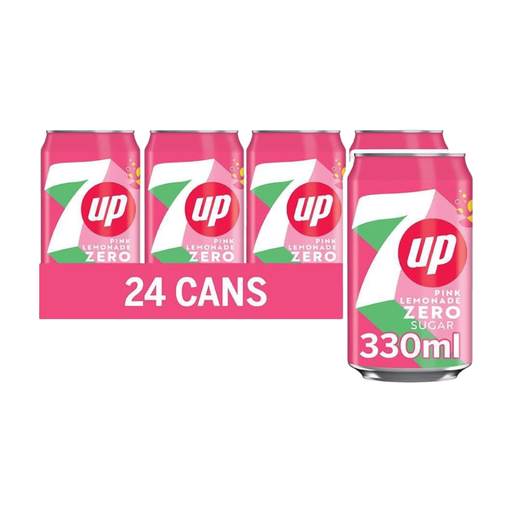 No image available
A non-cola lemonade option if that flavour appeals more than cola. Check the current pack’s sugar and ingredient information against your no-added-sugar requirement, and confirm its caffeine status before choosing it if avoiding caffeine is essential. Treat it as a drink rather than pre-workout food.
Do not count on the reviewed zero-sugar drinks to serve as food before exercise. Their brand nutrition panels list 0g sugars and little energy; Pepsi UK, for example, lists 2 kcal per 330ml for Pepsi Max No Caffeine. Choose food separately if that is what you want before training.
Pepsi Max No Caffeine is explicitly described by Pepsi UK as having zero caffeine and zero sugar. Standard Pepsi Max, Coca-Cola Zero Sugar and Dr Pepper Zero list caffeine, so a zero-sugar label alone does not answer the caffeine question.
Choose water when replacing fluid lost through physical activity is the main aim; that is the NHS recommendation. A zero-sugar fizzy drink can be a flavour choice, but it need not take the place of water.
Check the exact product’s ingredients and any no-added-sugars claim as well as its sugars figure. The UK nutrition-claim rule distinguishes sugars added as ingredients from the amount of sugars shown on the nutrition panel, so do not extend one variant’s claim to every drink in its range.