Recreational 5k runners avoiding added sugar
A no-added-sugar lemonade can meet a preference for lemon-flavoured fizz around a run. Do not rely on it as the carbohydrate source: the checked low- and zero-sugar examples declare little or none.


No-added-sugar lemonade is a choice for lemon flavour, not a meaningful source of carbohydrate for a 5k: checked products declare little or none, while the British Dietetic Association identifies carbohydrate as fuel for exercising muscles. Choose a carbohydrate-containing food or drink if fuelling is your purpose; for replacing fluid lost through sweating, the NHS recommends water.
The useful distinction is whether you want a fizzy drink for its flavour or something that supplies carbohydrate for exercise.
A no-added-sugar lemonade can meet a preference for lemon-flavoured fizz around a run. Do not rely on it as the carbohydrate source: the checked low- and zero-sugar examples declare little or none.
If the aim is to supply carbohydrate for harder, longer or closely spaced training, consider a carbohydrate-containing meal, snack or drink instead. The British Dietetic Association says carbohydrate is fuel for exercising muscles; a 5k does not, by itself, establish a need for carbohydrate during the run.
Compare the exact pack’s sugar and carbohydrate declarations, ingredients, size and storage instructions. Those details matter more to this choice than whether the drink is marketed for sport.
Decide whether the drink’s job is to provide carbohydrate, replace fluid or simply offer lemon flavour. Then compare the exact product label with that purpose.
| Priority | What to check | Your needs |
|---|---|---|
| Carbohydrate | Read carbohydrate per 100ml and per serving. Match any fuelling plan to the session’s duration and intensity; the British Dietetic Association discusses carbohydrate during exercise particularly for hard efforts lasting longer than an hour. | I’m choosing a drink for exercise fuel, rather than assuming that any lemonade will provide it. |
| Fluid | Consider whether you need to replace fluid lost through sweating. The NHS identifies water as the way to do that; lemonade adds a flavour choice, not a demonstrated hydration advantage. | After a sweaty run, I want to replace fluid. Lemonade can be a separate choice if I fancy the taste. |
| Sugar and ingredients | Check both sugar and carbohydrate on the exact pack, alongside the sweeteners and any product warning. A no-added-sugar name is not a carbohydrate-fuelling claim. | I’d like lemon-flavoured fizz with little or no declared sugar, and I want to know which sweeteners are in it. |
| Format and storage | Compare can and bottle sizes with how much you will use. Follow the opened-bottle instructions; the checked Sainsbury’s and M&S bottle listings specify refrigeration and use within 3 days. | For occasional use, I’d rather choose a pack size I can finish within its storage period. |
| Frequent sipping | Consider how often you drink fizzy lemonade. Northumbria Healthcare NHS Foundation Trust warns that sugar-free fizzy drinks can still be acidic and contribute to tooth erosion. | If I want a drink to sip regularly, I’ll consider water rather than treating sugar-free fizz as risk-free. |
Checked zero-sugar lemonades declare little or no carbohydrate. That leaves a carbohydrate-fuelling purpose unmet, even though the drink has a sports-related use in mind.
Decide whether you want flavour or fuel. If carbohydrate is needed for your training, choose a food or drink that supplies it.
Tesco lists R.White’s standard lemonade at 2.4g carbohydrate and 2.4g sugars per 100ml, but its R.White’s Diet Lemonade listing declares 0g of each per 100ml.
Check the full variant name and current nutrition panel, rather than buying by brand name alone.
Northumbria Healthcare NHS Foundation Trust cautions that sugar-free fizzy drinks can still be acidic and contribute to tooth erosion.
Consider water for regular hydration, and compare ingredients if acidity, carbonation or sweeteners matter to you.
The checked Sainsbury’s and M&S bottle listings call for refrigeration and use within 3 days of opening.
A can or smaller bottle may fit occasional use better; check the instructions on the pack you buy.
An unfinished large bottle may be wasted if it cannot be used within its stated storage period.
These examples show why the exact variant and nutrition panel matter; they do not establish which brands are available in the product selection below.
Tesco’s R.White’s Diet Lemonade listing describes a lemon-flavoured soft drink with sweeteners.
Tesco lists Sprite Zero Sugar as a lemon-and-lime soft drink in a multipack.
Its checked Pink Lemonade Zero Added Sugar is a 2L lemon-and-raspberry-flavoured option.
ASDA lists Diet Lemonade in 330ml cans.
M&S lists a no-added-sugar Diet Cloudy Lemonade.
These zero- or no-sugar lemon-flavoured fizzy drinks are options for taste around a 5k, not a selection of carbohydrate fuels. Check the current pack’s nutrition and ingredients before choosing.
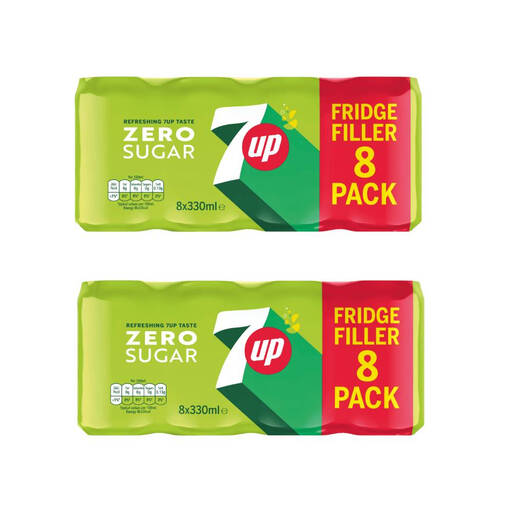 Image unavailable
A lemon-and-lime fizzy-drink option for flavour rather than run fuel. The named pack contains two sets of eight 330ml cans; check the current pack’s carbohydrate declaration and ingredients.
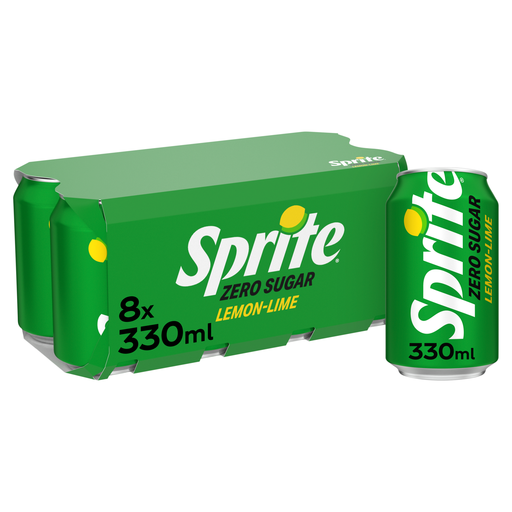 Image unavailable
Choose this eight-can pack if you want individually portioned lemon-and-lime fizz, rather than a drink selected to supply exercise carbohydrate. Check its current nutrition panel and ingredients.
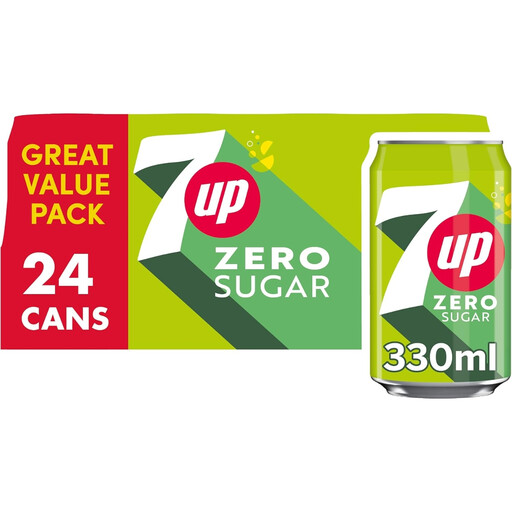 Image unavailable
This 24-can format suits a preference for individual servings from a larger pack. It is a flavour-led choice around a 5k, not a substitute for carbohydrate-containing food or drink when fuel is needed.
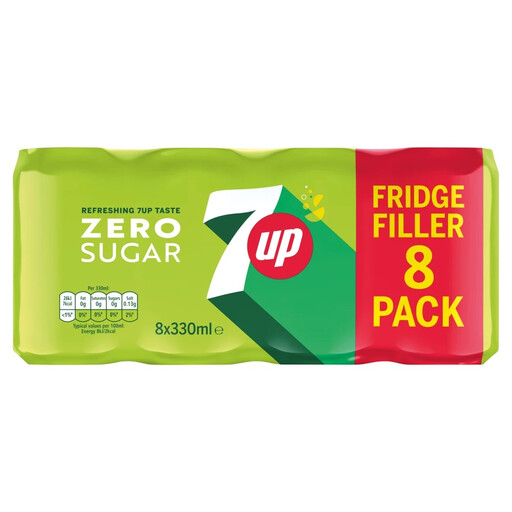 Image unavailable
An eight-can 7UP Zero pack for a lemon-and-lime flavour preference. Compare the exact pack size, nutrition panel and ingredients with the other 7UP Zero formats before choosing.
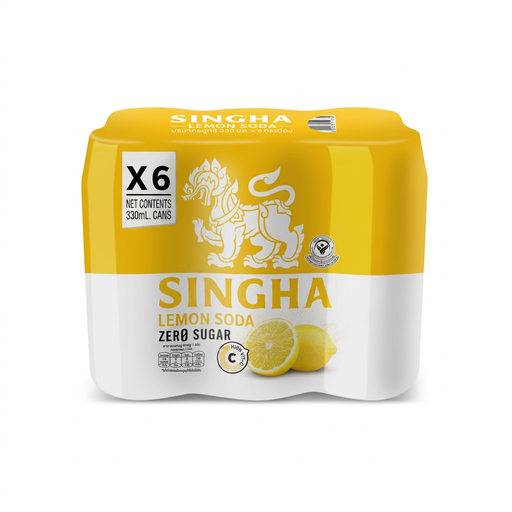 Image unavailable
This six-can lemon soda is a related fizzy-drink option, rather than a product named lemonade. If carbohydrate per can matters to your decision, check that value on the current pack rather than treating the Zero Sugar name as a fuelling guide.
The checked low- and zero-sugar lemonades are not meaningful carbohydrate sources. ASDA, Tesco’s Sprite Zero Sugar listing and Tesco’s R.White’s Diet listing each declare 0g carbohydrate per 100ml; Sainsbury’s checked Pink Lemonade declares less than 0.5g per 100ml. The British Dietetic Association identifies carbohydrate as fuel for exercising muscles, so choose a carbohydrate-containing food or drink when that is your purpose.
No: a 5k distance alone does not establish that you need carbohydrate during the run. The British Dietetic Association discusses a potential benefit from carbohydrate during exercise for hard efforts lasting longer than an hour. Consider the duration and demands of your training rather than automatically buying a sports drink.
Choose water when your aim is to replace fluid lost through sweating: that is the NHS’s recommendation for physical activity. No-added-sugar lemonade can be a separate choice for flavour, but its label does not establish a fuelling or hydration advantage.
Sugar-free does not remove the acidity consideration. Northumbria Healthcare NHS Foundation Trust warns that sugar-free fizzy drinks can still be acidic and contribute to tooth erosion. Consider water for regular sipping and check the lemonade’s ingredients and product warnings.