Long-run runners who enjoy lemon fizz
If you want sparkling lemonade around a marathon-training run, decide how it fits alongside your planned carbohydrate and fluid intake rather than using the drink as the whole plan.


Sparkling lemonade can be an optional drink around marathon training, but do not treat it as a complete fuel and fluid plan. The British Dietetic Association says carbohydrate intake during hard exercise lasting more than an hour can enhance performance: regular lemonade contributes some carbohydrate, while zero-sugar versions are a flavour choice rather than a carbohydrate source. If you might drink it during a run, test the exact product and amount in training first.
If you want sparkling lemonade around a marathon-training run, decide how it fits alongside your planned carbohydrate and fluid intake rather than using the drink as the whole plan.
The distinction matters if you are choosing between carbohydrate from the drink and fizz mainly for flavour. Marks & Spencer lists different carbohydrate amounts for its regular and Diet Lemonade recipes.
If drinks sometimes feel uncomfortable during exercise, try any prospective race-day drink on long training runs first. A study published in Nutrients in 2018 reported gastrointestinal symptoms among recreational marathon runners, but did not establish sparkling lemonade as their cause.
Start with the drink’s intended role—carbohydrate contribution or flavour—then check its label and whether you tolerate it while running.
| Priority | What to check | Your needs |
|---|---|---|
| Carbohydrate for long runs | Compare carbohydrate and sugars on the same per-100g or per-100ml basis. Marks & Spencer lists 4.6g carbohydrate per 100g for its regular Lemonade and 0.1g per 100g for Diet Lemonade. Plan fluid intake separately. | For hard exercise lasting more than an hour, I need to know what carbohydrate the drink contributes to my wider plan. The British Dietetic Association says carbohydrate during such exercise can enhance performance. |
| Comfort while running | Try the exact drink, serving amount and timing on a long training run. Do not assume that comfort at rest predicts comfort during exercise. | I would rather learn whether a fizzy drink suits me in training than introduce it on race day. In a study of 96 recreational runners at the Liverpool and Dublin marathons, 27% reported moderate gastrointestinal symptoms during the marathon (Nutrients, 2018); that figure does not identify carbonation as the cause. |
| Flavour without fuelling | Read the carbohydrate, sugars and sweetener information. Marks & Spencer lists less than 0.1g sugars per 100g for its Diet Lemonade and names sucralose in the ingredients. | If I want lemon fizz without counting it towards carbohydrate intake, I can choose a recipe on that basis and keep my fuelling plan separate. |
| Current pack details | Check the nutrition panel, ingredients, pack format and storage instructions on the container you buy. Follow the instructions for that product after opening. | When I change recipe or pack size, I want the information on the bottle or can in hand. Marks & Spencer notes that product information can change. |
A lemonade label tells you what is in that drink, not whether it covers your carbohydrate and fluid needs. The British Dietetic Association says carbohydrate intake can enhance performance during hard exercise lasting more than an hour.
Plan what you will eat and drink for the session first; consider lemonade only as an addition that fits that plan.
Marks & Spencer lists 0.1g carbohydrate per 100g for Diet Lemonade, compared with 4.6g per 100g for its regular Lemonade.
Choose a zero-sugar recipe for its flavour, not as the carbohydrate component of a long-run plan.
In a study of 96 recreational marathon runners reported by Nutrients in 2018, 27% reported moderate gastrointestinal symptoms during the marathon. The finding does not show that fizzy drinks caused them.
Practise with the exact product, amount and timing you intend to use before deciding whether to take it on a run.
Recipes differ across regular and diet lemonade, and Marks & Spencer says product information can change.
Read the current pack’s nutrition panel, ingredients and storage instructions, particularly when switching variants.
These examples show why the recipe and label matter more than a familiar name when choosing a drink around training.
Marks & Spencer’s regular and Diet Lemonade listings provide a direct comparison between two sparkling recipes.
The R. Whites Lemonade listing on Joybuy describes a 24 × 330ml sparkling lemonade multipack.
Sprite Regular is a sparkling lemon-and-lime alternative for shoppers considering fizzy citrus drinks, rather than traditional lemonade.
These options include sparkling lemonade and other fizzy citrus drinks to consider for flavour or alongside a separately planned training fuel strategy.
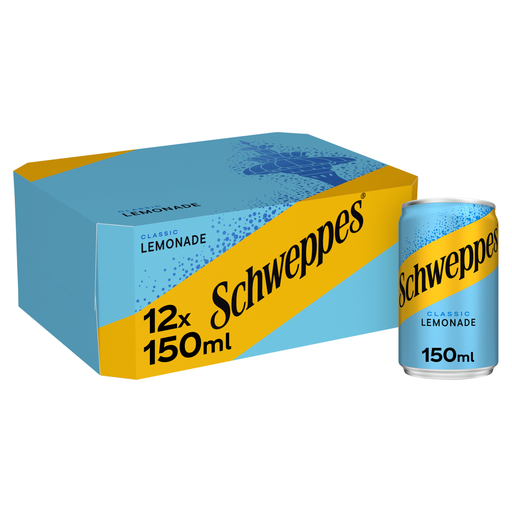 No image available
The 150ml can format gives you a defined serving to try during training. Check the current can’s carbohydrate and sugars if you intend to count the drink towards a long-run plan; test your tolerance before considering it for race day.
 No image available
This is a lemon soft-drink option rather than a product named lemonade. The pack contains eight 330ml cans; check the current nutrition panel before deciding whether a serving contributes to your planned carbohydrate intake.
 No image available
Consider this fizzy citrus option for flavour rather than as a substitute for planned long-run fuel. The pack contains eight 330ml cans; read the current carbohydrate and sugars figures on the can when comparing it with regular drinks.
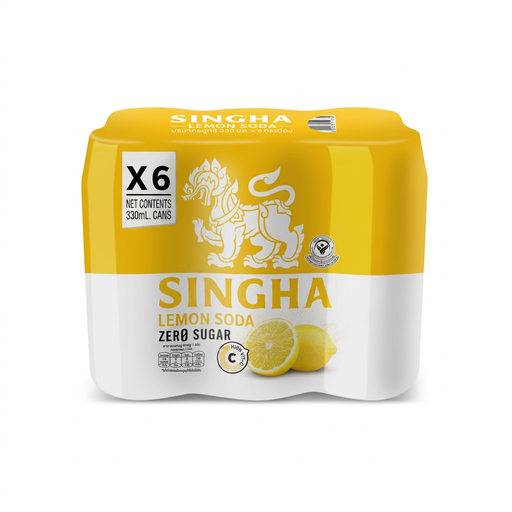 No image available
This lemon soda is a flavour choice, not a replacement for planned carbohydrate intake. The pack contains six 330ml cans; when comparing nutrition figures with another drink, check whether each label uses per 100g or per 100ml.
Do not assume a sparkling lemonade covers your whole carbohydrate and fluid plan. The British Dietetic Association says carbohydrate intake during hard exercise lasting more than an hour can enhance performance, but a drink’s label alone cannot establish what meets your individual needs. Decide on the wider plan before adding lemonade.
Check carbohydrate as well as sugars: zero-sugar lemonade is a flavour option, not a substitute for planned carbohydrate intake. Marks & Spencer lists 0.1g carbohydrate per 100g for Diet Lemonade and 4.6g per 100g for its regular Lemonade.
Carbonation is not established as an automatic cause of running-related stomach symptoms. In a study of recreational marathon runners published in Nutrients in 2018, 27% reported moderate gastrointestinal symptoms during the marathon, but that finding does not attribute them to lemonade or fizz. Test the exact drink, amount and timing on training runs.
Read the carbohydrate and sugars figures with their stated per-100g or per-100ml basis, plus the ingredients, sweeteners and storage instructions. Marks & Spencer says product information can change, so check the container you buy rather than relying on an older listing.