Snack planners cutting down on sugar
If you want a fizzy drink with your road-trip snacks, compare the sugars and energy figures on the nutrition labels. The NHS recommends using the per 100ml figures to compare drinks on the same basis.


If you want to cut down on sugar during a road trip, consider diet or zero-sugar lemonade rather than regular lemonade, as NHS guidance suggests sugar-free and diet drinks as swaps for sugary fizzy drinks. Compare the sugars line per 100ml and check the sweeteners: a no-added-sugar name does not necessarily mean zero total sugar, and aspartame is unsuitable for people with phenylketonuria (PKU). Choose a shared bottle or separate cans according to how many passengers will drink them and whether you can follow the bottle’s storage instructions after opening.
If you want a fizzy drink with your road-trip snacks, compare the sugars and energy figures on the nutrition labels. The NHS recommends using the per 100ml figures to compare drinks on the same basis.
A 2L bottle can serve several passengers; cans give each person a separate serving. For a bottle you might not finish, check how it must be stored after opening.
Read the ingredients of the exact variant rather than relying on its diet or zero-sugar name. The NHS says aspartame is unsuitable for people with phenylketonuria (PKU).
Start with the nutrition label and ingredients, then pick a pack that works for the passengers and the rest of the trip.
| Priority | What to check | Your needs |
|---|---|---|
| Sugars and energy | Compare sugars and energy per 100ml, then consider how much you expect to drink. Check the total-sugars figure even on a no-added-sugar drink: Sainsbury’s lists 0.6g sugars per 250ml glass for its Zero Added Sugar Pink Lemonade. | I want to cut down on sugar without assuming that diet, zero sugar and no added sugar mean the same thing. |
| Sweeteners | Read the ingredients for named sweeteners, particularly aspartame or E951, and check for a phenylalanine warning. The NHS says aspartame is unsuitable for people with PKU. | If someone travelling has PKU, I need a drink whose current ingredients meet their aspartame-avoidance requirement. |
| Flavour | Check whether the drink is plain lemon lemonade, pink lemonade or a lemon-lime soft drink. Fruit ingredients can affect the total-sugars figure even when no sugar is added. | Traditional lemonade is what I’m looking for, or I’m happy to choose a pink or lemon-lime alternative. |
| Pack and storage | Compare a shared 2L bottle with the number and size of cans in a multipack. Read the opened-bottle storage instructions before relying on leftovers for a later journey. | We can share one bottle, or separate cans would be easier to hand to passengers. |
A drink can contain sugars from its fruit ingredients. Sainsbury’s lists 0.6g sugars per 250ml glass for its Zero Added Sugar Pink Lemonade.
Compare the total-sugars figures on the same basis, preferably per 100ml, and read the ingredients.
Some diet and zero-sugar drinks contain aspartame. The NHS says aspartame is unsuitable for people with PKU.
If a passenger needs to avoid aspartame, check the current ingredients of the exact drink before packing it.
A shared bottle may remain partly full when the journey ends, and opened-bottle storage instructions still apply.
Choose the pack size around passenger numbers and whether you can store and use any remainder as the label directs.
A partly used bottle may be wasted if its storage instructions cannot be followed.
These examples illustrate differences between drink labels and formats; check the exact variant rather than assuming every product from a brand has the same ingredients.
Its Diet Lemonade is a lemon-led option sold in a 2L bottle.
Sprite Zero Sugar is a lemon-lime alternative rather than a plain lemon lemonade.
Tesco lists own-label diet lemonade in a 2L bottle and a 6 × 330ml can pack.
Its range includes Diet Lemonade and Zero Added Sugar Pink Lemonade.
Asda Diet Lemonade is listed as a 2L bottle for sharing.
Its Diet Pink Lemonade and regular Lemonade serve different ingredient preferences.
These Joybuy options are cans of Sprite No Sugar or 7UP Zero. They suit a choice of separate servings and citrus or pink-lemonade-style flavours, rather than the shared-bottle and regular-lemonade options discussed above.
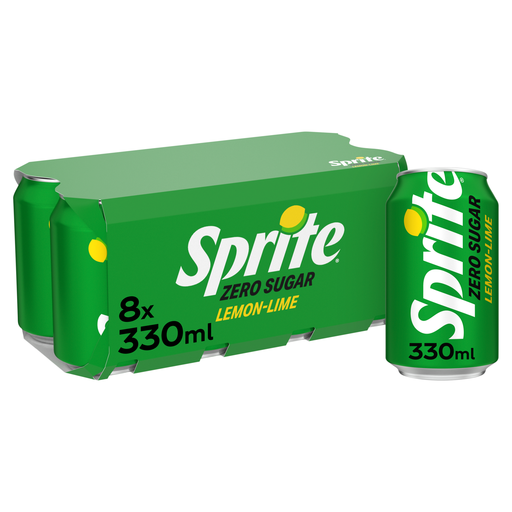 No image available
Eight separate 330ml cans make it straightforward to offer passengers individual servings of a lemon-lime alternative. The product information flags aspartame and a phenylalanine warning; check the current label if anyone travelling has PKU.
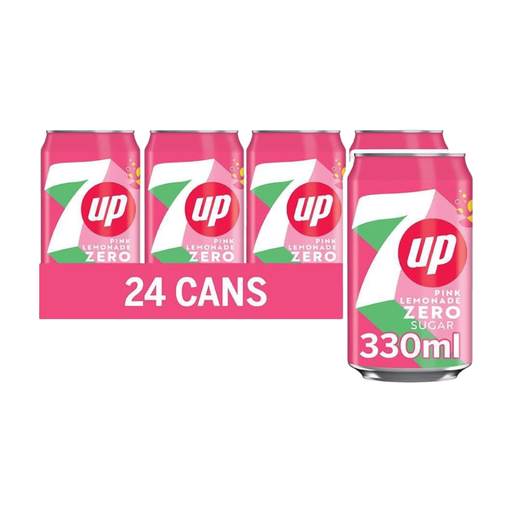 No image available
This 24-can pack offers separate 330ml servings for a group looking for a pink-lemonade-style drink. The product information flags aspartame and a phenylalanine warning, so check the current label if anyone travelling has PKU.
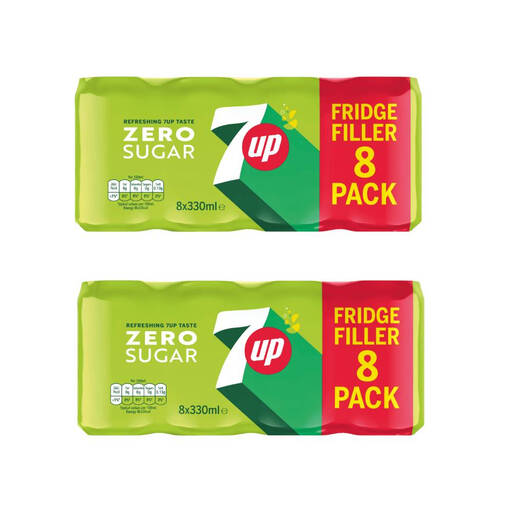 No image available
Two packs of eight 330ml cans provide separate servings of a lemon-lime alternative. Check the current pack’s energy figure if calories matter to your comparison, and check its aspartame and phenylalanine labelling if anyone travelling has PKU.
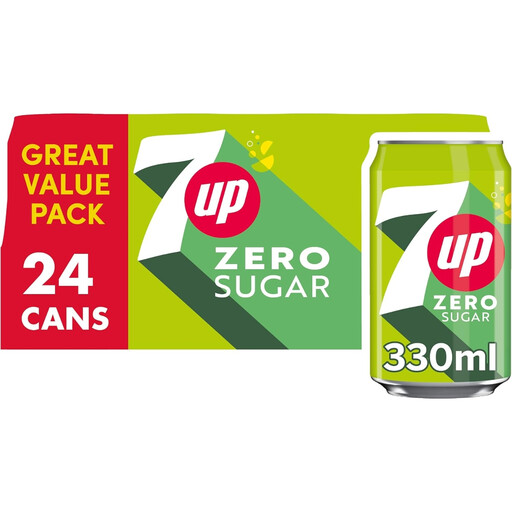 No image available
The 24 separate 330ml cans may be convenient when several passengers want a lemon-lime drink. Use the current pack label for an energy comparison and check its aspartame and phenylalanine information if anyone travelling has PKU.
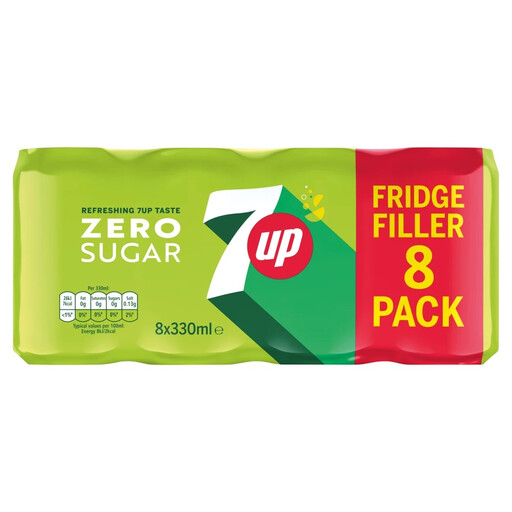 No image available
Eight individual 330ml cans offer a smaller pack than the listed 24-can 7UP Zero option. Check the current pack for its energy figure and for aspartame and phenylalanine information if anyone travelling has PKU.
If cutting down on sugar is your priority, diet or zero-sugar lemonade is worth comparing with regular lemonade. The NHS suggests sugar-free and diet drinks as swaps for sugary fizzy drinks; check the exact product’s sugars figure per 100ml rather than relying on its name.
No. A drink can contain sugars from its other ingredients. Sainsbury’s lists 0.6g sugars per 250ml glass for its Zero Added Sugar Pink Lemonade, so compare the total-sugars line on the nutrition label.
It matters particularly if someone travelling has phenylketonuria (PKU): the NHS says aspartame, which contains phenylalanine, is unsuitable for people with PKU. Check the current ingredients for aspartame or E951 rather than assuming all diet drinks use the same sweetener.
A 2L bottle gives passengers a shared drink, while cans provide separate servings. If the bottle might not be finished, choose a size you can manage and follow its storage instructions after opening.