Cyclists swapping sugary soft drinks
If you want fizz without sugar for everyday drinking, sparkling water is an option the NHS suggests for people who do not enjoy still water. Keep the choice of drink separate from any nutrition needed for a ride.


Choose plain sparkling water if you want a drink without sugar for everyday fluid intake or around an easier ride; the NHS suggests sparkling water for people who do not enjoy still water. It is not a substitute for ride nutrition: British Cycling advises adding electrolytes for shorter indoor sessions even when carbohydrate is not needed in the bottle, and says fluid requirements on long rides in hot conditions vary by rider and intensity. If you prefer a flavoured zero-sugar drink, check its ingredients as well as its nutrition declaration.
If you want fizz without sugar for everyday drinking, sparkling water is an option the NHS suggests for people who do not enjoy still water. Keep the choice of drink separate from any nutrition needed for a ride.
Your drink choice needs to fit the session. British Cycling says indoor riders typically require more fluid and advises adding electrolytes for shorter sessions, even when carbohydrate is not needed in the bottle.
If you want a particular formulation, read the ingredient list rather than relying on a zero-sugar description. Marks & Spencer lists acids, flavourings, a preservative and a sweetener in its sugar-free Lemon and Lime Sparkling Water.
Decide what the drink needs to provide during the session, then compare the formulation and pack format. A mineral analysis or zero-sugar label does not, by itself, answer the ride-nutrition question.
Choose it when: You want fizz and fluid without using the drink as a source of carbohydrate.
Keep in mind: Plain water does not take the place of electrolytes or a fuelling plan when the session calls for them.
Choose it when: You prefer flavour and the exact product’s ingredients suit what you want to buy.
Keep in mind: Zero sugar does not mean the formulation is the same as plain carbonated water.
Consider it when: Training conditions make fluid, electrolytes or carbohydrate a distinct part of your planning.
Keep in mind: British Cycling says requirements vary with the rider, conditions and intensity; mineral water alone should not determine the plan.
| Priority | What to check | Your needs |
|---|---|---|
| Sugar and formulation | Check the exact drink’s ingredients, plus its sugars and carbohydrate declaration per 100 ml or per 100 g as labelled. Distinguish plain carbonated water from a flavoured formulation. | I want fizz without choosing a sugary soft drink. If I prefer a plain formulation, I need to check more than the front-of-pack sugar wording. |
| Ride demands | Consider whether the session calls for fluid alone or separate electrolytes and food. British Cycling advises electrolytes for shorter indoor sessions even when carbohydrate is not needed in the bottle; fluid requirements for long rides in hot conditions vary. | For an indoor or demanding ride, I do not want to mistake my choice of sparkling water for a complete nutrition plan. |
| Mineral content | Read mineral figures on the exact product if they matter to your choice, keeping the stated units in mind. Do not treat a published mineral analysis as a ride-specific electrolyte or carbohydrate plan. | I may prefer a particular mineral water, but I need to plan what the ride requires separately. |
| Pack format | Compare the stated bottle or can size, pack quantity and any resealable feature. Check that the format works for when and where you intend to drink it. | A smaller container may suit drinking away from home; a larger bottle may suit a different part of my routine. |
Water supplies fluid, but it does not supply carbohydrate fuel. British Cycling also advises adding electrolytes for shorter indoor sessions when carbohydrate is not needed in the bottle.
Decide what the session requires before choosing a drink for its flavour or sugar content.
A flavoured drink can contain other ingredients. Marks & Spencer’s sugar-free Lemon and Lime Sparkling Water, for example, lists citric acid, flavourings, an acidity regulator, a preservative and steviol glycosides.
Read the ingredient list if you specifically want plain carbonated spring or mineral water.
The sparkling-water categories listed by Tesco and Sainsbury’s include different pack formats and both plain and flavoured products. Products within the same category need not have the same ingredients.
Compare the exact title, ingredient list, nutrition declaration and pack size.
Tesco publishes a mineral analysis for San Pellegrino sparkling natural mineral water, but those figures do not establish what an individual ride requires for electrolytes or carbohydrate.
Choose mineral water for the product characteristics you want, and consider the session’s nutrition requirements separately.
These examples show formulations and formats to compare; a retailer’s listing for one product does not describe every drink under that brand.
A plain sparkling spring-water option in a listed 8 × 500 ml pack.
A sparkling natural mineral-water option for shoppers who want to compare a stated mineral analysis.
A sparkling natural mineral-water option listed by Sainsbury’s in a 4 × 330 ml glass pack.
An own-label reference for comparing plain sparkling-water pack sizes.
An own-label reference for plain sparkling spring water in both multipacks and larger bottles.
A retailer reference for comparing plain sparkling water with a flavoured sugar-free drink.
These options include plain sparkling drinks in multipacks and one grape-flavoured sparkling drink. Compare the exact label if sugar content or ingredients are central to your choice, and plan ride nutrition separately where needed.
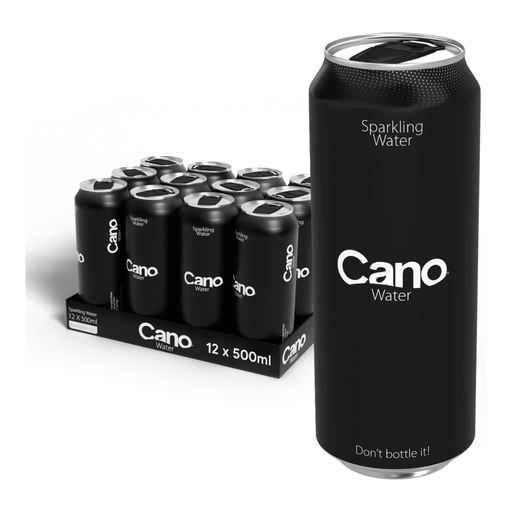 No image available
A sparkling-water option if you want individual containers for drinking away from home. The product name specifies 12 resealable 500 ml cans; check the nutrition declaration if you need to confirm its sugar content. It is not a carbohydrate-fuelling choice.
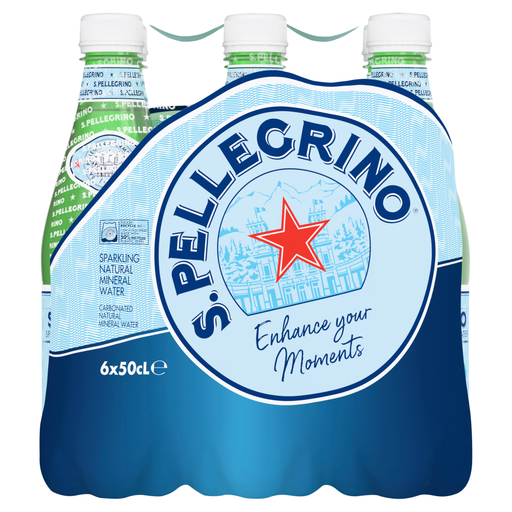 No image available
A plain mineral-water option if you prefer individual bottles. The product name specifies six 0.5 L bottles; do not use mineral-water branding alone to decide whether your ride calls for electrolytes or carbohydrate.
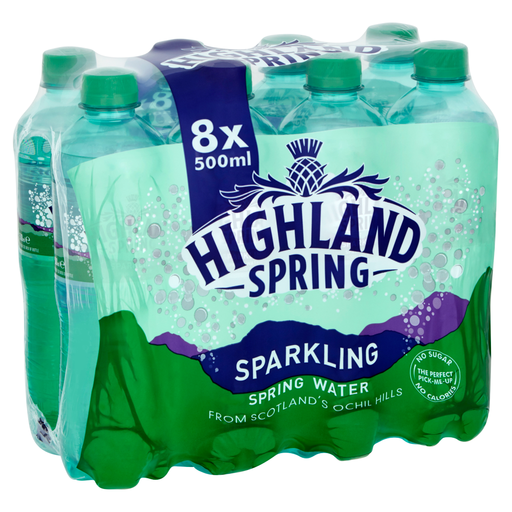 No image available
This plain sparkling-water pack suits a choice centred on fluid rather than carbohydrate fuel. The matching 8 × 500 ml product listed by Tesco is described as having no sugar and no calories; plan any ride-specific electrolytes or food separately.
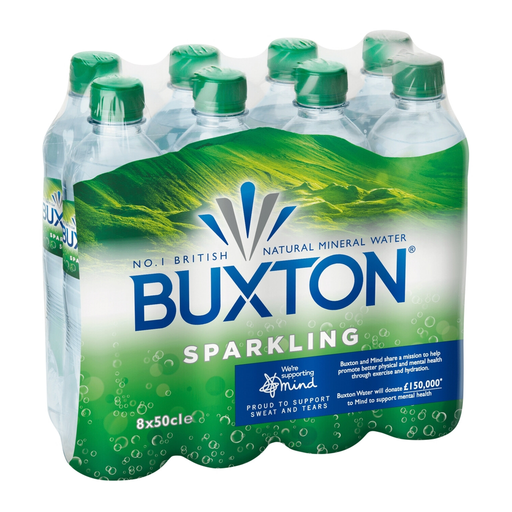 No image available
An eight-pack of 500 ml sparkling drinks for shoppers comparing individual-container formats. Check the exact ingredient and nutrition panels for your dietary preference; choose ride-specific nutrition separately when the session calls for it.
 No image available
A grape-flavoured sparkling option if you want to compare flavour with plain water. The product name specifies 24 × 330 ml; check its ingredient list and sugars and carbohydrate declarations rather than treating it as plain water or ride fuel.
Yes, if you are choosing a drink for fluid rather than carbohydrate fuel. The NHS suggests sparkling water for people who do not enjoy still water; what else you need for a ride depends on the session.
Not automatically. British Cycling says indoor riders typically require more fluid and advises adding electrolytes for shorter sessions even when carbohydrate is not needed in the bottle. Make that decision separately from your preference for sparkling water.
No: zero sugar describes sugar content, not the whole ingredient list. Marks & Spencer’s sugar-free Lemon and Lime Sparkling Water lists citric acid, flavourings, an acidity regulator, a preservative and steviol glycosides. Check the exact product if you want a plain-water formulation.
Not on mineral content alone. Product listings such as Tesco’s San Pellegrino listing give mineral figures, but those figures do not determine an individual ride’s electrolyte or carbohydrate requirements. Consider the session separately when planning what to drink or eat.