People packing for shorter sessions
If you want a portable flavoured drink without sugar, compare the exact bottle's sugar, carbohydrate and sodium declarations. You need not choose a sports drink solely because you are going to the gym.


For a short or low-intensity gym session, a zero-sugar sports drink can be a convenient flavoured option if you want a drink with listed electrolytes but do not need it to supply carbohydrate; water remains an option for hydration. For activity lasting longer than 60 minutes, University College London Hospitals NHS Foundation Trust says carbohydrate snacks may be needed, so plan that separately rather than relying on a zero-sugar drink for fuel.
The useful distinction is whether your gym-bag drink needs to provide fluid alone or carbohydrate as well.
If you want a portable flavoured drink without sugar, compare the exact bottle's sugar, carbohydrate and sodium declarations. You need not choose a sports drink solely because you are going to the gym.
A zero-sugar drink should not be your only plan for carbohydrate if your activity requires it. University College London Hospitals NHS Foundation Trust says activities lasting more than 60 minutes may call for carbohydrate-containing snacks.
If you use insulin and follow an exercise plan that calls for carbohydrate, do not treat a zero-sugar drink as that carbohydrate source. Ashford and St Peter's Hospitals NHS Foundation Trust advises checking blood glucose before, during and after exercise to understand your response; follow your individual care plan.
Decide whether the drink needs to supply carbohydrate, then compare the sugar and electrolyte information on the exact flavour and bottle size.
Consider it: When you want a flavoured gym-bag drink with listed electrolytes but do not need carbohydrate from the drink.
Bear in mind: Zero-sugar options provide little or no carbohydrate, so they do not replace a carbohydrate source when one is needed.
Consider it: For a longer session when your exercise plan calls for carbohydrate; University College London Hospitals NHS Foundation Trust says activity beyond 60 minutes may require carbohydrate snacks.
Bear in mind: A carbohydrate-containing sports drink may not meet a zero-sugar shopping aim. Check its sugars and carbohydrate separately.
Consider it: When you need hydration without a particular preference for a flavoured electrolyte drink. The NHS identifies water as a way to replace fluid lost through physical activity.
Bear in mind: If you also need carbohydrate during exercise, plan a source of it separately.
| Priority | What to check | Your needs |
|---|---|---|
| Sugar and sweeteners | Read the sugars and carbohydrate lines for the stated serving and bottle size. Check the ingredients if particular sweeteners matter to you. | I want a portable drink without sugar, so I need to check the exact flavour rather than assume every drink under a sports-drink brand has the same formulation. |
| Exercise fuel | Check the drink's carbohydrate content against your session plan. University College London Hospitals NHS Foundation Trust says activities longer than 60 minutes may require carbohydrate snacks. | For a longer workout, I need to plan any required carbohydrate instead of expecting a zero-sugar drink to provide it. |
| Hydration and sodium | Compare the declared sodium amount on the same per-100ml or per-serving basis. Consider the activity and conditions; the NHS says to drink extra fluid after sweating from physical activity. | A flavoured electrolyte drink appeals to me, but for an ordinary gym visit I also want to consider whether water meets my hydration needs. |
| Individual exercise plan | If you use insulin, follow your care plan for glucose monitoring and carbohydrate around exercise. A zero-sugar drink is not a carbohydrate source. | I need my gym-bag supplies to match my own glucose-management plan, not just the drink's sugar-free label. |
Products in the same category can differ substantially. Tesco Groceries lists 20g sugars and 30g carbohydrate per 500ml for Gatorade Tropical Punch, whereas its Lucozade Sport Zero Sugar and Powerade Zero listings describe zero-sugar options.
Check the sugars and carbohydrate lines on the exact flavour and bottle, not just the brand or shelf category.
A zero-sugar drink supplies little or no carbohydrate. University College London Hospitals NHS Foundation Trust says activity lasting more than 60 minutes may require carbohydrate-containing snacks.
If your session calls for carbohydrate, plan a suitable source alongside your hydration choice.
A zero-sugar drink cannot supply the carbohydrate called for in a glucose-management plan. Exercise responses can vary for people using insulin, as Ashford and St Peter's Hospitals NHS Foundation Trust explains.
Follow your individual care plan for monitoring and for carrying an appropriate carbohydrate source.
Ingredients and nutrition information can change, so an earlier listing may not describe the bottle you pick up.
Read the current label, and check availability with your chosen retailer before shopping.
These details concern the named UK bottles, not every drink sold by each brand.
Tesco Groceries describes Lucozade Sport Zero Sugar Orange & Peach 500ml as a sugar-free drink positioned for low-intensity exercise.
Tesco Groceries lists Powerade Zero Berry Tropical 500ml as a zero-sugar drink.
Gatorade Tropical Punch 500ml illustrates a carbohydrate-containing sports-drink choice rather than a zero-sugar one.
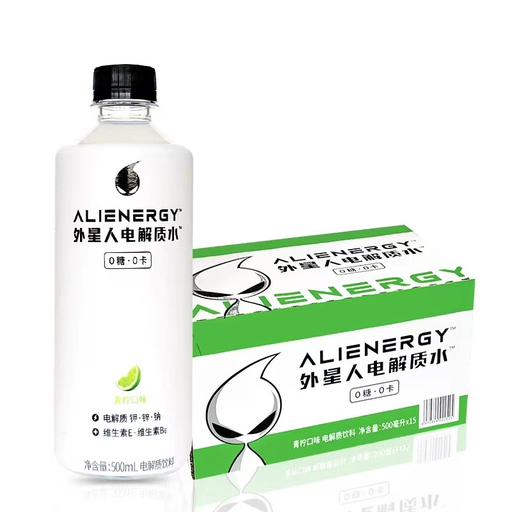
This selection is a zero-sugar electrolyte-water option in portable bottles. Check its label if you need to compare sodium amounts or plan carbohydrate intake; it is not a like-for-like comparison of the sports-drink bottles discussed above.
 No image available
For packing individual drinks for gym visits, this is described as zero-sugar electrolyte water in a pack of 15 bottles. Check the bottle's nutrition information for electrolyte quantities and carbohydrate if those figures matter to your workout plan.
No. The NHS identifies water as a way to replace fluid lost through physical activity. Choose a zero-sugar sports drink if you prefer its flavour and listed ingredients, while checking whether you need carbohydrate from another source.
You may need to plan carbohydrate as well as fluid. University College London Hospitals NHS Foundation Trust says activities longer than 60 minutes may require carbohydrate-containing snacks; a zero-sugar drink alone does not supply that fuel.
For the named 500ml UK bottles, Tesco Groceries lists less than 0.1g sugars and 50mg sodium per 100ml for Lucozade Sport Zero Sugar Orange & Peach, and 0g sugars, 0g carbohydrate and 50mg sodium per 100ml for Powerade Zero Berry Tropical. Compare the current labels for the exact flavours before buying.
No. A zero-sugar drink is not a carbohydrate source. If you use insulin, follow your individual exercise and glucose-monitoring plan rather than relying on the drink to meet a carbohydrate requirement.
Check sugars and carbohydrate against the stated serving and bottle size, then look at sweeteners and declared sodium if those affect your choice. Read the label on the bottle you buy because formulations can change.