Hosts offering lower-sugar choices
If most guests will be socialising rather than exercising, you may want water and a flavoured zero-sugar option without making a carbohydrate-containing sports drink the default.


For a mainly social street party, offer water as the main drink and consider a clearly labelled zero-sugar sports drink if guests want a flavoured option. A carbohydrate-containing sports drink is a different choice for guests who specifically want one around exercise; check its sugar content, ingredients and serving format before buying.
If most guests will be socialising rather than exercising, you may want water and a flavoured zero-sugar option without making a carbohydrate-containing sports drink the default.
If some guests will arrive after a run, cycle or match, distinguish drinks that contain carbohydrate from zero-sugar options. The two serve different preferences.
For guests with ingredient or dietary restrictions, check each product's sweeteners and label statements. A zero-sugar label does not describe every ingredient in the drink.
Decide what guests will drink at an ordinary social gathering, then check whether anyone specifically wants a sports drink around exercise.
| Priority | What to check | Your needs |
|---|---|---|
| Sugar content | Compare zero-sugar wording and sugars per serving on the exact drink. Check that serving sizes match before comparing figures. | I want a flavoured option without adding sugar from that drink. The British Nutrition Foundation describes water as a choice without sugars or calories. |
| Activity and carbohydrate | Check carbohydrate and sugars per 100 ml, not just whether the drink contains electrolytes. Coca-Cola Great Britain describes standard Powerade as an isotonic drink containing carbohydrate for use around exercise. | Most guests will be socialising, but I may want a separate carbohydrate-containing option for someone who has been exercising. |
| Ingredients | Read the sweetener list and any dietary or warning statements on the exact flavour. Do not assume that zero sugar means no sweeteners. | Some guests may avoid particular ingredients, so I need to know what is in each drink before serving it. |
| Serving format | Compare ready-to-drink bottles with sachets that need water and mixing. Gatorade UK instructs users to mix one Hydration Booster sachet into 500 ml of water; follow the pack's storage directions after opening bottled drinks. | I need drinks that I can prepare, chill and serve with the water, cups and space available at the party. |
A drink can contain electrolytes and still contain sugar. Asda lists 4.1 g sugars per 100 ml for Powerade Berry & Tropical, whereas Tesco labels Powerade Zero Berry Tropical as zero sugar.
Compare the nutrition panels for the exact flavours you plan to serve, and keep carbohydrate-containing drinks separate from choices intended to be zero sugar.
Zero-sugar drinks may use sweeteners, and ingredient lists differ between products. The sugar statement alone cannot tell you whether a drink suits someone's ingredient requirements.
Check the full ingredient list and any warning or dietary statements on each pack before offering it to guests with restrictions.
Unlike a sealed ready-to-drink bottle, Gatorade Hydration Booster needs to be mixed with water before serving, according to Gatorade UK.
Use sachets if you can provide the required water and a way to mix and serve them; otherwise, ready-to-drink bottles involve less preparation at the event.
Sachets may also mean bringing cups, bottles or a jug.
A listed product may not be available when you shop, which matters if the party plan depends on one flavour or format.
Check stock with your chosen retailer before settling on quantities, and have an alternative drink in mind.
These examples illustrate different labels and serving formats; a brand name alone does not establish the sugar content or ingredients of every product it sells.
Tesco lists Lucozade Sport Zero Sugar Raspberry & Passion Fruit as a 4 × 500 ml ready-to-drink multipack labelled zero sugar.
Powerade shows why the variant matters: Tesco labels Powerade Zero Berry Tropical as zero sugar, while Asda lists 4.1 g carbohydrate and 4.1 g sugars per 100 ml for standard Powerade Berry & Tropical.
Gatorade UK sells Hydration Booster in sachets and instructs users to mix one sachet into 500 ml of water.
These ready-to-drink sports and electrolyte drinks are options for guests who specifically want that type of drink, particularly around activity. Check the exact label if your main shopping requirement is zero sugar.
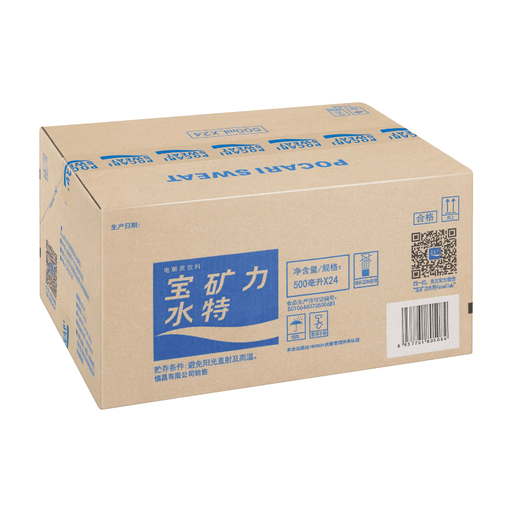 No image available
A ready-to-serve multipack to consider for guests who want a carbohydrate-containing sports drink around activity. Check the bottle label if reducing sugar is a priority.
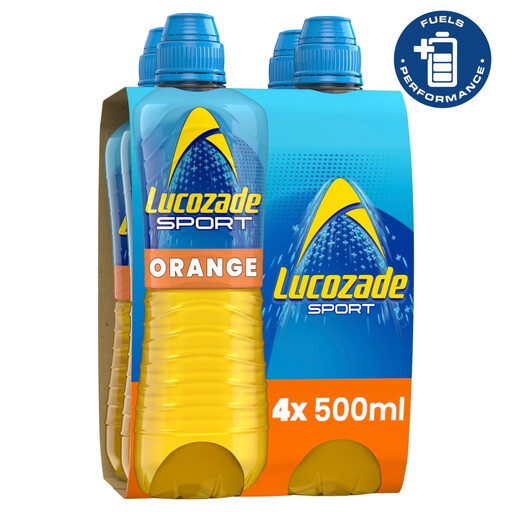 No image available
Ready-to-drink bottles for guests who specifically want a carbohydrate-containing sports drink around exercise. This is not the Lucozade Sport Zero Sugar variant; check the exact bottle when planning lower-sugar choices.
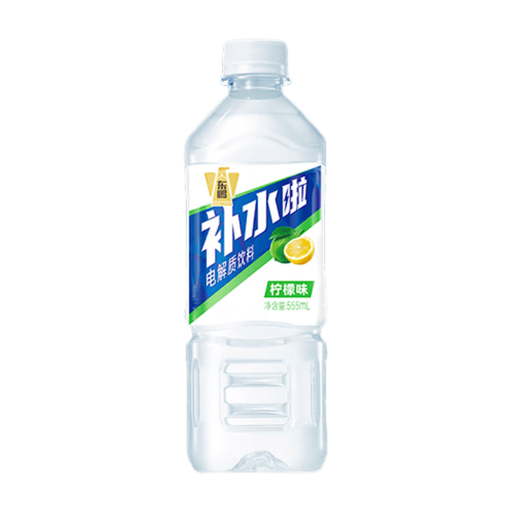 No image available
A ready-to-drink electrolyte option for a guest seeking a carbohydrate-containing drink around activity. 'With sweetener' does not mean zero sugar, so check the nutrition panel before including it in a lower-sugar selection.
No sports drink is necessary for a mainly social gathering: water can be the main option. The British Nutrition Foundation describes water as a drink without sugars or calories; add a flavoured zero-sugar choice if guests would welcome one, and consider carbohydrate-containing drinks for guests who specifically want them around exercise.
The exact variant changes what is in the bottle. Tesco labels Powerade Zero Berry Tropical as zero sugar, while Asda lists 4.1 g carbohydrate and 4.1 g sugars per 100 ml for Powerade Berry & Tropical; Coca-Cola Great Britain positions standard Powerade for use around exercise. Compare labels on the same measurement basis when choosing for guests.
A clearly labelled zero-sugar drink is a practical optional choice if guests want a flavoured drink while avoiding sugar from that drink. Offer water too, and check the exact product label rather than assuming every sports drink is zero sugar.
They can. The listed Lucozade Sport Zero Sugar and Powerade Zero products use sweeteners, so read the ingredient list on the exact pack if a guest avoids particular ingredients.
Check the ingredient list and warning statements on the exact drink before serving it. In particular, do not assume that a zero-sugar or standard sports drink has the same formulation as another flavour or variant.