Runners planning long training runs
A carbohydrate-containing drink can form part of a plan for fluid and fuel during a prolonged run. Work out what the volume you expect to drink contributes, then consider any accompanying food or gels.


For a prolonged, demanding run, choose a carbohydrate-containing drink if you want your drink to contribute fuel as well as fluid; calculate its contribution from the amount you will actually drink, rather than treating one bottle as a complete plan. A zero-sugar sports drink makes more sense for low-intensity hydration or when you have planned carbohydrate from food or another product. Practise the combination during training before relying on it for a marathon.
A carbohydrate-containing drink can form part of a plan for fluid and fuel during a prolonged run. Work out what the volume you expect to drink contributes, then consider any accompanying food or gels.
A zero-sugar drink may fit a low-intensity session or a plan that supplies carbohydrate separately. Check the exact bottle: Lucozade Sport Zero Sugar Orange & Peach, for example, contains less than 0.5 g carbohydrate per 250 ml, according to its Sainsbury's listing.
Look at carbohydrate per serving, bottle volume, salt or sodium declarations, and ingredients. An isotonic description alone does not tell you how much carbohydrate your planned portion supplies.
Consider it when: You want a long-run drink to contribute carbohydrate alongside fluid.
Allow for: A bottle may supply only part of your planned carbohydrate intake, depending on its label and how much you drink.
Consider it when: Hydration is your main aim on a low-intensity run, or you are bringing carbohydrate separately.
Allow for: The Lucozade Sport Zero Sugar Orange & Peach listing gives less than 0.5 g carbohydrate per 250 ml, so that drink is not a stand-alone carbohydrate fuel.
Consider it when: You prefer to carry sachets and can obtain water for mixing; Gatorade says to mix one Hydration Booster sachet into 500 ml water.
Allow for: Check carbohydrate per prepared serving on the current nutrition panel before counting the drink towards your fuelling plan.
| Priority | What to check | Your needs |
|---|---|---|
| Carbohydrate contribution | Read grams of carbohydrate per serving and serving volume; calculate from the amount you intend to drink. A review indexed by the National Library of Medicine advises 30–60 g per hour for intense exercise lasting 1–2.5 hours, not as a claim about every runner or every marathon session. | I want my drink to contribute to long-run fuel, and I need to know whether other practised fuel sources belong in my plan. |
| Fluid and sodium | Check the exact drink's salt or sodium declaration and whether its bottle or mixing instructions fit your run. Trial the amount you plan to drink; the UK Sports Institute notes that what works varies between runners. | Carrying a bottle or mixing powder needs to work with my route, and I want a drink-and-fuel combination I can use while running. |
| Zero-sugar choice | Compare carbohydrate per serving, not just the front-of-pack name. Sainsbury's lists less than 0.5 g carbohydrate per 250 ml for Lucozade Sport Zero Sugar Orange & Peach. | If I choose zero-sugar hydration for a long, demanding run, I will plan carbohydrate from food or another product separately. |
| Ingredients and variants | Read the current ingredients list, sweeteners and any allergen information on the exact flavour and pack. GOV.UK says regulated allergenic ingredients in prepacked food or drink must be clearly identified in the ingredients list. | I need to check the particular bottle when switching flavours or products, especially if an ingredient matters to me. |
Sainsbury's lists 26.0 g carbohydrate for a 500 ml Raspberry Bolt bottle, while its Powerade Golden Mango listing gives 4.1 g per 100 ml, or 20.5 g per 500 ml. The category name does not tell you what your portion contributes.
Calculate carbohydrate from the exact label and the volume you expect to drink; plan and practise other fuel if your run calls for it.
Sainsbury's lists less than 0.5 g carbohydrate per 250 ml for Lucozade Sport Zero Sugar Orange & Peach and describes it as designed for low-intensity exercise.
If you use that drink on a long, demanding run, plan and practise your carbohydrate intake separately.
Standard, zero-sugar and other variants can have different carbohydrate and ingredient information. A familiar name does not establish what is in a particular bottle.
Check the current nutrition panel and ingredients list whenever you change product or flavour.
The UK Sports Institute advises trial and error because what works for one runner may not work for another.
Try the intended drink, amount and accompanying food or gels together during long training runs.
The Orange and Zero Sugar Orange & Peach listings illustrate why the exact variant matters when choosing between carbohydrate fuel and hydration-focused drinking.
Golden Mango is a ready-to-drink isotonic option with carbohydrate, according to its Sainsbury's listing.
Hydration Booster is a carbohydrate-and-electrolyte powder supplied in sachets for mixing with water.
Raspberry Bolt is a supermarket own-label, ready-to-drink isotonic option with per-bottle nutrition information.
Tesco lists an own-label Raspberry Isotonic Sports Drink described as a raspberry-flavour hypotonic drink with sugars and sweeteners.
These ready-to-drink options can be considered when you want a drink to contribute carbohydrate during training. Check the exact pack's nutrition panel and base your plan on the volume you will drink; this selection is not a comparison of zero-sugar products.
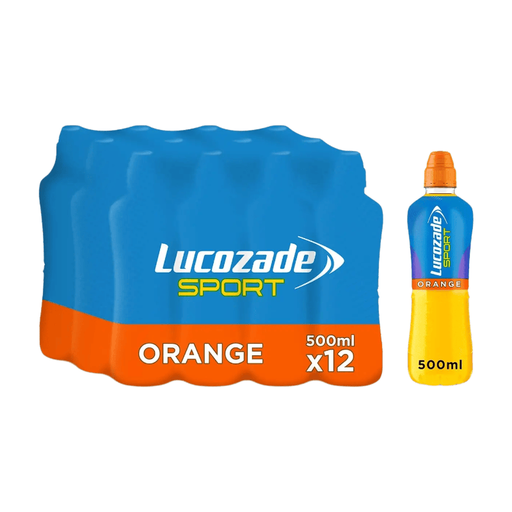 No image available
This multipack is an option for repeating a practised drink choice across training runs. Sainsbury's lists about 16 g carbohydrate per 250 ml for Lucozade Sport Orange; check the exact bottles' labels and calculate from the amount you drink.
 No image available
The 900 ml bottle calls for a practical carrying and drinking plan on a long run. Check carbohydrate and sodium on the exact label, then calculate from the portion you intend to consume rather than the full bottle by default.
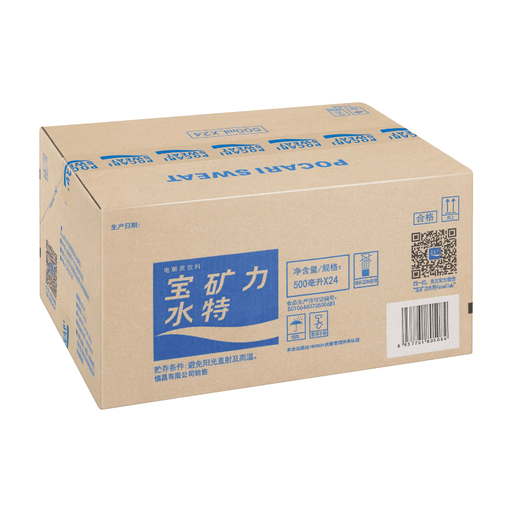 No image available
These 500 ml bottles offer a different portion and pack size from the 900 ml Pocari Sweat option. Check carbohydrate per bottle on the current label and verify a separate sodium figure there if your plan requires one.
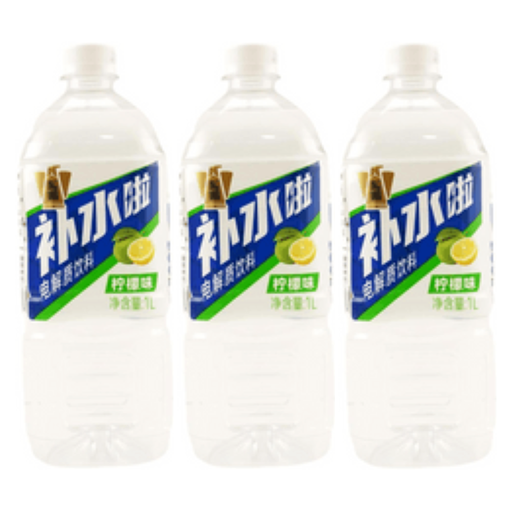 No image available
For this electrolyte drink, calculate carbohydrate from the current label and the volume you expect to consume. Check the exact bottle if an isotonic classification or separate sodium figure matters to your choice.
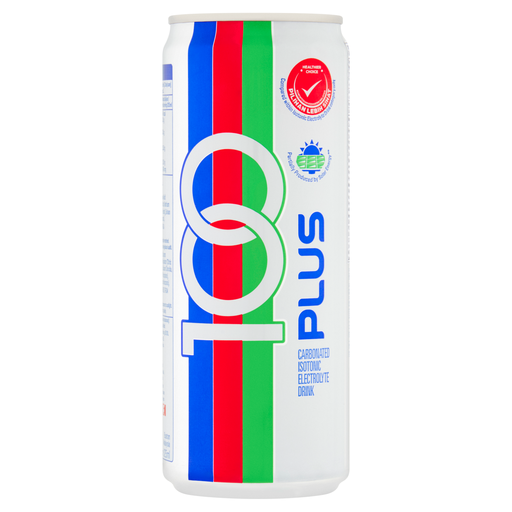 No image available
This is a carbonated option in a 325 ml size. Read its carbohydrate amount on the exact pack and try the drink during training to decide whether carbonation and the portion work for you while running.
It can fit low-intensity hydration or a run for which you supply carbohydrate separately, but do not count it as your carbohydrate fuel. Sainsbury's lists less than 0.5 g carbohydrate per 250 ml for Lucozade Sport Zero Sugar Orange & Peach and describes it as designed for low-intensity exercise.
Calculate it from the particular drink and your planned intake; one bottle should not be assumed to cover the hour. Sainsbury's lists 26.0 g carbohydrate for a 500 ml Raspberry Bolt bottle and 4.1 g per 100 ml for Powerade Golden Mango, equivalent to 20.5 g per 500 ml. A review indexed by the National Library of Medicine advises 30–60 g carbohydrate per hour for intense exercise lasting 1–2.5 hours; consider any remaining fuel within the plan you have practised.
Use the intended amount with the food or gels you plan to carry on long training runs, and assess whether the combination is practical for you. The UK Sports Institute recommends trial and error because runners can respond differently to the same approach.
Check carbohydrate per serving, serving size, ingredients and any salt or sodium declaration on the exact variant. If ingredients are a concern, read the current ingredients list: GOV.UK says regulated allergenic ingredients in prepacked food and drink must be clearly identified there.