People doing lighter workouts
For a walk, a light gym session or casual training, water may meet the need for fluid replacement. A zero-sugar sports drink offers flavour without serving as a carbohydrate snack.


For a short or light workout, water can replace lost fluid; a zero-sugar sports drink is an option if you want a flavoured drink, but it is not a carbohydrate snack. If a prolonged or demanding session calls for carbohydrate as well as fluid, a carbohydrate-containing drink may fit that plan. Check the carbohydrate and sugars per serving rather than assuming every sports drink serves the same purpose.
The useful distinction is whether the drink needs to contribute carbohydrate, or whether you mainly want fluid and flavour.
For a walk, a light gym session or casual training, water may meet the need for fluid replacement. A zero-sugar sports drink offers flavour without serving as a carbohydrate snack.
Runners, cyclists and other people doing prolonged exercise may want to plan carbohydrate alongside fluid. The UK Sports Institute notes that compact sources of carbohydrate before or during exercise can help fuel a session; a zero-sugar drink does not provide the same carbohydrate.
A zero-sugar label alone cannot determine the right choice. Frimley Health NHS Foundation Trust notes that carbohydrate and insulin needs around exercise can vary; use an individual plan agreed with your diabetes team.
Start with the duration and intensity of your session, then compare the nutrition and ingredients for the amount you would actually drink.
| Priority | What to check | Your needs |
|---|---|---|
| Carbohydrate | Compare carbohydrate per serving or bottle. Decide whether your session calls for carbohydrate from the drink, rather than treating the word ‘sport’ as a guide. | For a longer, demanding session, I want to know whether my drink contributes carbohydrate or whether I need to plan it separately. |
| Sugars and sweeteners | Read sugars as well as total carbohydrate, using the same serving size when comparing drinks. Check the ingredients if particular sweeteners matter to you. | I would prefer a lower-sugar drink for a light workout, but I still want to know how it is sweetened. |
| Salt and electrolytes | Look for declared salt or sodium and check the units: a value per 100 ml is not a value for the whole bottle. Read the ingredients if you want to identify mineral salts. | If I am comparing electrolyte drinks, I want to know what the label actually declares and how much I would drink. |
| Individual exercise plan | If you manage diabetes, follow your agreed exercise plan rather than choosing by a zero-sugar claim alone. Frimley Health NHS Foundation Trust notes that carbohydrate and insulin needs can vary around exercise. | My drink choice needs to fit the plan I use for exercise and blood-glucose management. |
A zero-sugar drink may provide fluid and flavour, but it will not serve as the carbohydrate you planned for a prolonged, demanding session.
Decide whether your exercise plan calls for carbohydrate before choosing the drink. If it does, check the amount on the label or plan a separate suitable snack.
Zero-sugar and standard versions serve different buying needs, even when they share a brand. A front-of-pack sports-drink description does not tell you the carbohydrate or sugars in a serving.
Compare the nutrition panels per 100 ml and per bottle, especially when switching flavours or variants.
Zero sugar does not mean the drink is unsweetened. Sweeteners may matter to your taste or ingredient preferences.
Check the ingredients list as well as the nutrition panel; water remains an option if you do not want a sweetened drink.
Frimley Health NHS Foundation Trust notes that carbohydrate and insulin needs around exercise can vary. Neither a zero-sugar nor a sugary drink is an automatic choice for everyone managing diabetes.
Use the exercise and monitoring plan agreed with your diabetes team rather than making treatment decisions from a sports-drink label.
Compare the specific variant, not just the brand: zero-sugar and carbohydrate-containing drinks answer different needs.
The Lucozade Sport range includes a Zero Sugar Orange & Peach drink as well as conventional sports drinks. Tesco’s listing describes the Zero Sugar variant as containing added sodium and 4 kcal per serving.
Powerade has both a Zero Berry & Tropical variant and a standard Berry & Tropical sports drink. Tesco describes the Zero variant as zero sugar; the standard drink is a carbohydrate-containing formulation.
Gatorade offers ready-to-drink carbohydrate-electrolyte products and a Hydration Booster powder. Gatorade describes the powder as containing carbohydrates and electrolytes and as low in sugar.
These options include a drink for choosing hydration without carbohydrate and several carbohydrate-containing sports drinks. Use the pack size and each drink’s label to decide which fits your session; the list does not make them interchangeable as pre-workout snacks.
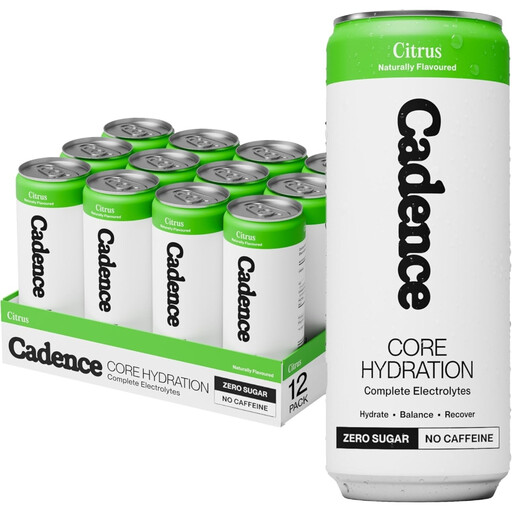 No image available
A ready-to-drink option for someone who does not want the drink to supply carbohydrate before exercise. The pack contains 12 × 330 ml bottles; check the salt declaration if it matters to your choice. It will not replace planned carbohydrate fuel.
 No image available
This carbohydrate-containing Orange sports drink comes in a four-bottle pack. If you want the drink to contribute carbohydrate before or during exercise, compare its nutrition panel with the amount in your session plan; it is not a zero-sugar choice.
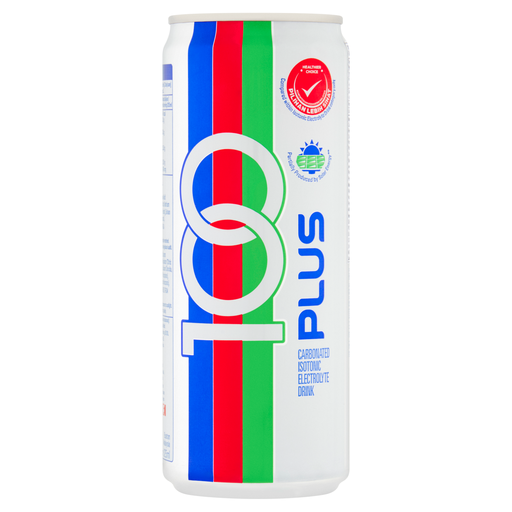 No image available
A carbonated, carbohydrate-containing option in a 325 ml serving. Compare its sugars per serving with your intended use rather than choosing it as a low-sugar drink; check the label for sodium if you need a sodium-specific comparison.
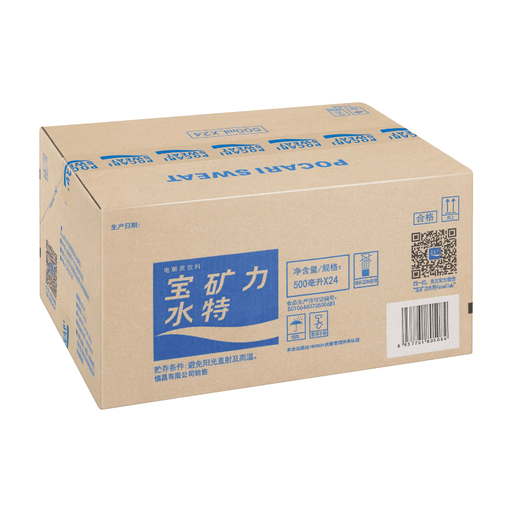 No image available
This 24-bottle pack is a way to keep ready-to-drink sports drinks available for planned sessions. It contains carbohydrate rather than being a zero-sugar option; compare sugars per bottle and check the label if you need particular electrolyte quantities.
Not if you need the snack to supply carbohydrate. A zero-sugar drink can be a choice for fluid and flavour, but it does not replace planned carbohydrate for a prolonged or demanding session. Check the drink’s carbohydrate per serving and consider a separate suitable snack if your plan calls for one.
It may fit when a prolonged or demanding session calls for portable carbohydrate alongside fluid. The UK Sports Institute discusses compact carbohydrate sources before and during exercise; compare the amount in a particular drink with your session plan rather than assuming every workout needs one.
Yes. The Lucozade Sport Zero and Powerade Zero variants described here list sweeteners. Read the ingredients for the specific flavour if you have a taste or ingredient preference.
Use the individual exercise plan agreed with your diabetes team, not a blanket rule that zero sugar is always appropriate. Frimley Health NHS Foundation Trust notes that carbohydrate and insulin needs around exercise can vary, so a drink label alone cannot determine the choice.