For an ordinary rushed morning, choose water, as the NHS recommends for replacing lost fluids, or consider a zero-sugar sports drink if you want flavour; neither replaces breakfast food. A carbohydrate-containing isotonic drink is more relevant when prolonged endurance exercise calls for fluid and carbohydrate, but its sugar makes it a different choice from a routine morning drink.
Who is each drink choice for?
Whether you are travelling or exercising changes what you need from the drink; it does not make the drink a meal.
Commuters looking for a lower-sugar drink
If you are heading to work or study rather than prolonged endurance exercise, water is a straightforward choice. The NHS recommends swapping sugary drinks for diet, sugar-free or no-added-sugar alternatives; a zero-sugar sports drink offers a flavoured option, while breakfast food remains a separate choice.
People exercising lightly in the morning
If you want a ready-to-drink option without the sugar in a standard isotonic drink, compare zero-sugar labels. Tesco Groceries lists 0g sugars for its Lucozade Sport Zero Orange & Peach and Powerade Zero examples, but their carbohydrate panels do not make them endurance-fuelling drinks.
People preparing for prolonged endurance exercise
A carbohydrate-containing isotonic drink has a different role when you need fluid and carbohydrate during prolonged endurance exercise. Tesco Groceries describes Lucozade Sport Orange for that setting; its sugar content and lack of meal variety still make it a sports drink, not breakfast.
What matters when choosing a morning sports drink?
Decide whether the drink is for routine hydration or exercise fuelling, then compare the nutrition panel for the amount you intend to drink.
| Priority | What to check | Your needs |
|---|
| Routine drink |
Compare sugars per 100ml and per bottle. Check ingredients if you have a preference about sweeteners. |
For a commute or desk-based morning, I want a drink without making a sugary sports drink my everyday default. The NHS recommends water for replacing lost fluids and suggests diet or sugar-free swaps for sugary drinks. |
| Exercise carbohydrate |
Check carbohydrate and sugars per 100ml, then the bottle size. Tesco Groceries lists 6.3g carbohydrate and 3.5g sugars per 100ml for Lucozade Sport Orange. |
If prolonged endurance exercise is coming up, I may want carbohydrate with my drink. A 500ml bottle of the Lucozade Sport Orange listed by Tesco Groceries contains 31.5g carbohydrate and 17.5g sugars on that panel, so I would choose it for that exercise need rather than simply because breakfast is rushed. |
| Breakfast food |
Consider what food you will have alongside the drink. Check the drink's carbohydrate and other nutrition values rather than treating a sports label as a meal description. |
I need something to eat as well as something to drink. A zero-sugar option supplies little or no carbohydrate in the listed Tesco Groceries examples; a standard isotonic drink supplies carbohydrate but still does not provide the variety of food in breakfast. |
| Format |
Choose between a ready-to-drink bottle and a sachet that needs preparation. Gatorade UK instructs users to mix one 13.5g Hydration Booster sachet with 500ml water. |
For an immediate grab-and-go drink, I would choose a bottle. If I can carry water and a mixing container, a sachet is another format to consider. |
| Electrolytes and label |
Compare sodium or salt on the same serving basis, alongside sugars and ingredients. Tesco Groceries lists 50mg sodium per 100ml for Powerade Zero. |
I want to know what is in the whole drink I plan to carry, including sweeteners and electrolytes, rather than choosing by the word “sport” on the front. |
Mistakes to avoid at breakfast
-
Using “zero sugar” as a substitute for breakfast
The zero-sugar Lucozade Sport and Powerade examples listed by Tesco Groceries contain little or no carbohydrate. They can be drinks alongside breakfast, but cannot supply the food variety of a meal.
Choose breakfast food separately if you need something to eat on the journey.
-
Making a standard isotonic drink the everyday morning default
Tesco Groceries lists 3.5g sugars per 100ml for Lucozade Sport Orange, equivalent to 17.5g in its 500ml bottle. The Scientific Advisory Committee on Nutrition recommends minimising sugar-sweetened beverages.
For a routine commute rather than prolonged endurance exercise, consider water or a lower-sugar drink instead.
-
Assuming all sports drinks serve the same purpose
A zero-sugar bottle may offer little or no carbohydrate, while a standard isotonic drink supplies carbohydrate. A powder sachet adds a preparation step.
Match the format and carbohydrate panel to what you will be doing, and follow mixing instructions for a sachet.
-
Skipping the supplied label
Ingredients, nutrition values and storage instructions matter when choosing and carrying a drink, particularly after opening it.
Check the current bottle for sweeteners, nutrition values, its best-before date and directions for storage after opening.
Brands and formats to compare
These examples illustrate differences between zero-sugar bottles, carbohydrate-containing isotonic drinks and a powder sachet; they do not describe every product from each brand.
Lucozade Sport
Tesco Groceries lists both zero-sugar and standard isotonic Lucozade Sport drinks.
- Its Raspberry & Passion Fruit Zero example lists 0.01g sugars per 100ml; the regular Orange example lists 6.3g carbohydrate and 3.5g sugars per 100ml.
- The zero-sugar example is not a source of carbohydrate for endurance fuelling, while the regular Orange drink does not replace breakfast food.
Powerade
Powerade's UK range includes a standard carbohydrate-containing isotonic drink and a Zero variant.
- Coca-Cola Great Britain lists 4.1g carbohydrate and 4.1g sugars per 100ml for Berry & Tropical Fruits; Tesco Groceries lists 0g of each per 100ml for Powerade Zero.
- Powerade Zero's listed panel does not supply carbohydrate for endurance fuelling. Compare the specific flavour and bottle label before choosing.
Gatorade
Gatorade UK offers a carbohydrate-electrolyte powder sachet that is mixed with water rather than drunk straight from a bottle.
- Its instructions call for one 13.5g sachet in 500ml water, a format to consider when you can mix a drink later.
- You need water and a container; check the prepared drink's nutrition label rather than assuming a powder is sugar-free.
Joybuy drinks for different morning needs
These ready-to-drink options include a no-sugar hydration choice and several drinks to consider when exercise, rather than a routine commute, calls for carbohydrate. None is a substitute for breakfast food.
 No image available
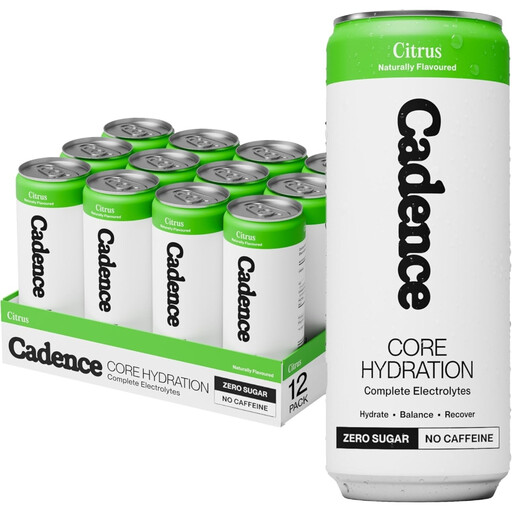
Cadence Core Citrus Hydration Drink, 12 × 330ml
Consider this ready-to-drink option when you want a no-sugar drink for a commute or light activity, with breakfast food separately. Check the supplied label for its salt content and, if it matters to you, caffeine.
View on Joybuy
 No image available
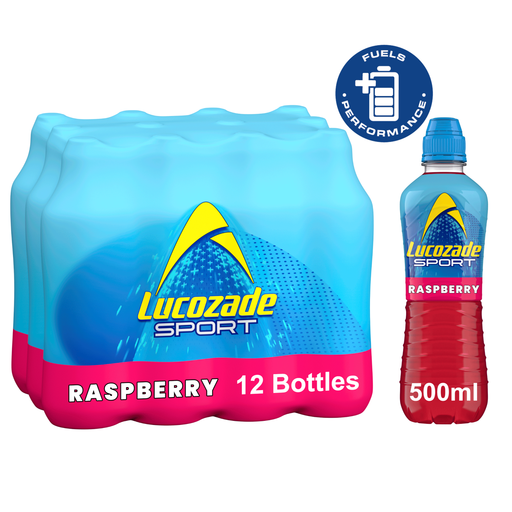
Lucozade Sport Raspberry Isotonic Drink, 12 × 500ml
Consider this carbohydrate-containing isotonic drink for prolonged endurance exercise rather than as a lower-sugar commute drink. Check the supplied nutrition and ingredient labels, especially if sweeteners affect your choice, and take breakfast food separately.
View on Joybuy
 No image available
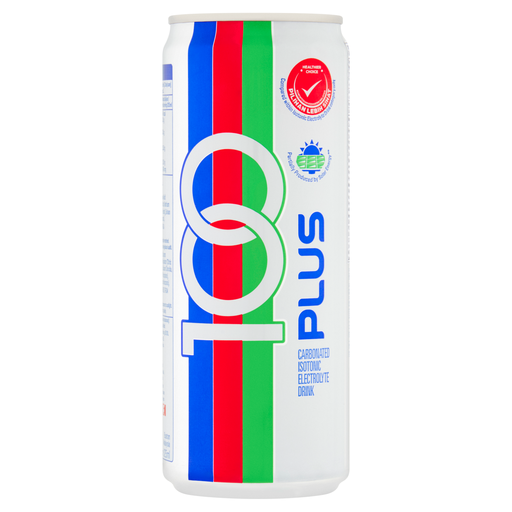
F&N 100 Plus Malaysian Carbonated Isotonic Drink, 325ml
The carbonated can is an option to consider when you want a portable isotonic drink with carbohydrate for exercise. It is not a zero-sugar breakfast drink; compare its sugar panel with other drinks before choosing.
View on Joybuy
 No image available
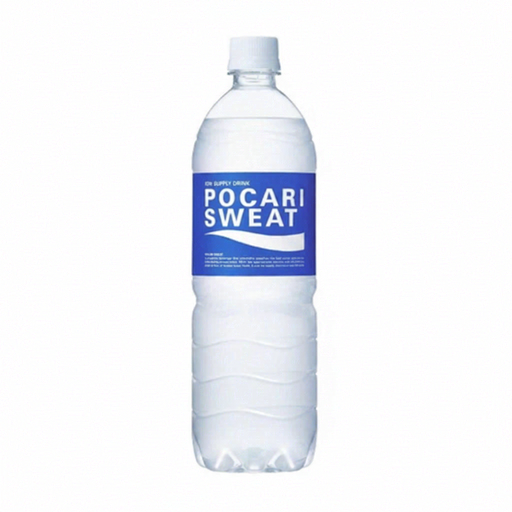
Pocari Sweat Drink, 900ml
Consider the larger bottle for exercise-related hydration when its size suits what you can carry. Check the supplied carbohydrate and sugar values before comparing it with zero-sugar options; do not count it as breakfast food.
View on Joybuy
 No image available
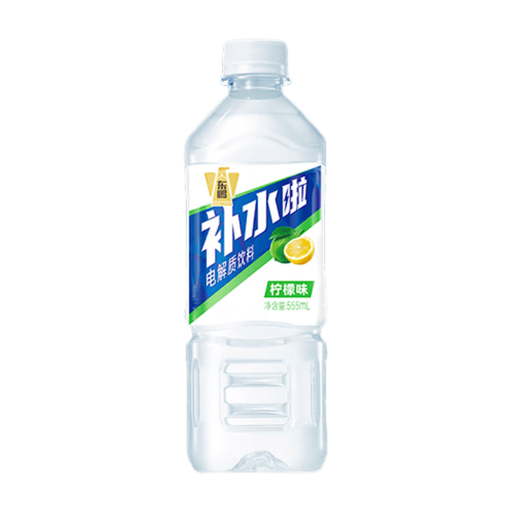
DP Lemon Electrolyte Drink with Sweetener, 555ml
This ready-to-drink electrolyte option is described for exercise or hot weather, not as a breakfast replacement. Its name mentions sweetener, but that does not establish a low sugar content; compare the supplied sugar and carbohydrate panel with your other options.
View on Joybuy
Questions about sports drinks and breakfast
Can a zero-sugar sports drink replace breakfast?
No. The Lucozade Sport Zero and Powerade Zero examples listed by Tesco Groceries contain little or no carbohydrate, and a drink does not provide the variety of food in breakfast. Bring something to eat separately if you are relying on a grab-and-go morning meal.
When would I choose a standard isotonic drink instead?
Choose one when prolonged endurance exercise calls for carbohydrate alongside fluid. Tesco Groceries describes Lucozade Sport Orange for that setting and lists about 16g carbohydrate per 250ml; for an ordinary commute, water or a lower-sugar drink is a more relevant comparison.
Does zero sugar mean no sweeteners or sodium?
No. “Zero sugar” does not describe every ingredient or electrolyte. Tesco Groceries lists 50mg sodium per 100ml for Powerade Zero; read the particular drink's ingredients and nutrition panel if sweeteners or sodium matter to your choice.
What should I do with an opened bottle?
Follow the storage directions on that bottle, including any refrigeration and time-after-opening instructions. Check them before carrying a partly used drink through the day, as directions can differ between products.


