
24/7 Customer Support

Free returns

Same-day & Next-day Delivery

Quality Guaranteed

Unlock Your Welcome Offers: FREE Delivery | Up to 80% OFF | Free 30-day JoyPlus trial
Download the APP
Choosing zinc supplements should be straightforward, but product labels often make comparison difficult. A higher number does not automatically mean a more suitable formula, while claims about rapid absorption or immune protection may not tell you how much elemental zinc you are actually taking.
Before buying zinc tablets, zinc capsules or an alternative format, check three common pitfalls:
The UK Nutrient Reference Value for zinc is 10mg per day for adults. Many products provide 100% or more of this amount, including zinc supplements labelled as 10mg, 20mg or 22mg.
For general nutritional support, compare the serving size rather than the number of tablets in the pack. A 120-tablet bottle may not represent four months of use if the suggested serving is two or three tablets.
The NHS advises adults not to take more than 25mg of zinc from supplements per day unless advised by a healthcare professional. This makes it important to check whether zinc is also present in a multivitamin, immune formula, mineral blend or sports product.
Zinc is available in several forms. Zinc picolinate, zinc glycinate and zinc bisglycinate are commonly selected by shoppers looking for chelated mineral formats. Zinc citrate and zinc gluconate are also widely used.
There is no need to assume that one form suits everyone. Instead, consider:
For people searching for zinc for skin, hair and nails, the total zinc dose and consistent use are more practical comparison points than a phrase such as “advanced absorption”. Zinc contributes to the maintenance of normal skin, hair and nails, but supplements should not be treated as a replacement for a varied diet or medical care.
Tablets and capsules are easy to store and usually offer a predictable serving. A liquid zinc supplement may suit people who find tablets difficult to swallow, although drops need to be measured accurately. A zinc oral spray can be useful when you do not want to take supplements with water.
Check the label for:
For example, vitamin C and zinc products may appeal to shoppers seeking a combined daily formula, while a zinc-only product may be easier to compare with other supplements already in your cupboard.
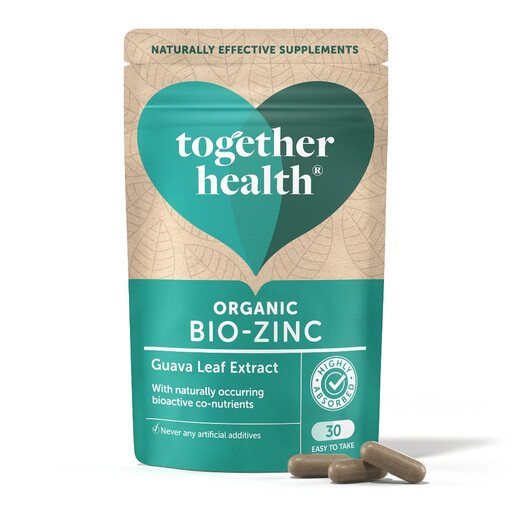
Why This Fits Their Persona: This provides 10mg of zinc per capsule, making the serving easy to understand for adults starting a straightforward daily routine. Its plant-based capsule is suitable for vegans.
The label states the zinc quantity per capsule, helping avoid confusion between extract weight and elemental zinc.
10mg per capsule; organic guava leaf source; vegan plant-cellulose capsule; made in the UK.
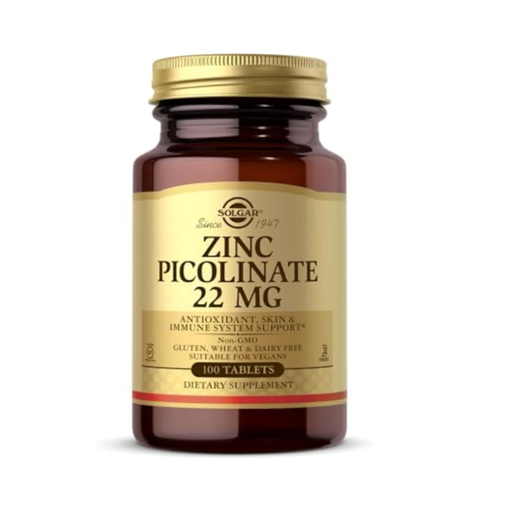
Why This Fits Their Persona: A 100-tablet bottle suits shoppers who prefer a clearly labelled zinc picolinate formula and a longer-lasting supply.
It specifies 22mg of elemental zinc per tablet and gives a one-tablet daily direction, reducing serving-size ambiguity.
22mg elemental zinc; zinc picolinate form; 100 tablets; plant-based auxiliary ingredients.
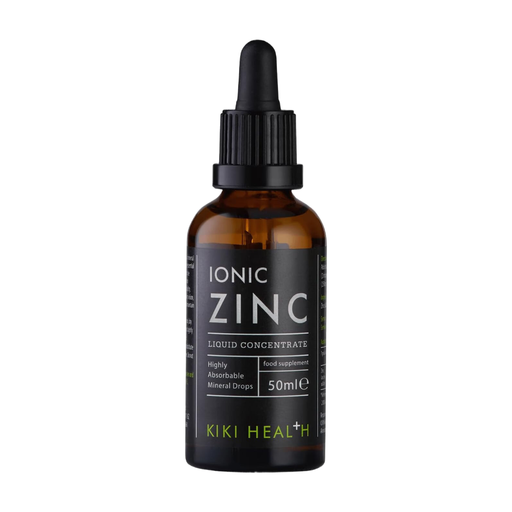
Why This Fits Their Persona: The liquid format is practical for adults or families who dislike swallowing tablets, subject to the product’s stated age guidance and careful measuring.
The directions define one serving as 30 drops or 2ml, helping users avoid guessing the dose.
10mg per 2ml serving; zinc sulphate and de-ionised water formula; can be added to water or juice.
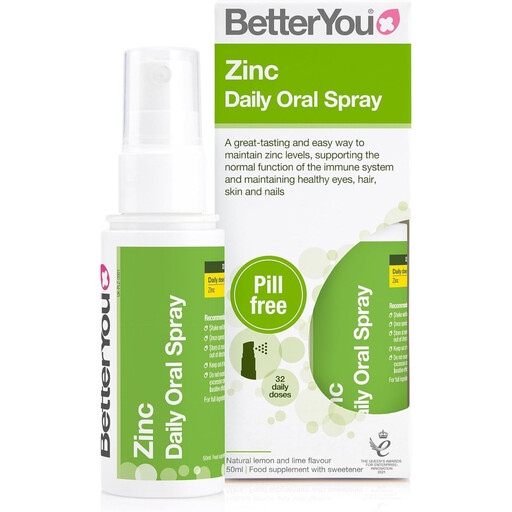
Why This Fits Their Persona: This zinc oral spray suits commuters, travellers and anyone who prefers a water-free option during a busy UK day.
The daily dose is stated as five sprays providing 10mg zinc, rather than relying on vague “micro-absorption” wording.
10mg per daily dose; zinc bisglycinate; lemon and lime flavour; no water required.
We have compiled a complete, real-time list of products that fully satisfy these strict selection criteria and UK safety regulations.
Divide the number of tablets by the recommended daily serving. A 100-tablet bottle taken at one tablet daily lasts 100 days. Always follow the product label rather than increasing or extending use independently.
Follow the individual instructions. Several products recommend taking zinc with a meal, while some plant-based capsules state that they can be taken between meals. Taking a supplement with food may also be more comfortable for some people.
Check every label for overlapping zinc. Combined formulas such as vitamin C and zinc, multivitamins, magnesium-and-zinc products and immune drinks can all contribute to your daily intake. If you take regular medication, are pregnant or breastfeeding, or have a medical condition, ask a healthcare professional before use. Always check the packaging for the latest ingredients, dosage and warnings.