
24/7 全天候客户支持

免费退货

当日/次日达

品质保障

开启新人专享福利: 全场免邮 | 低至 2 折 | 免费试用 30 天 JoyPlus 会员
下载 Joybuy
The hob is the centrepiece of daily cooking, and selecting the right one is a key decision in any kitchen renovation or appliance upgrade. With the standard 60cm hob size fitting most UK kitchens, the choice often comes down to fuel type, features and style. Navigating the options between traditional gas hob models, sleek ceramic hob surfaces and efficient induction hob technology can feel overwhelming.
This guide is designed to simplify your decision. We will walk through the key considerations when choosing a new built-in hob and present a selection of models that cater to different cooking habits and kitchen designs. Our goal is to provide clear, practical information to help you find a reliable and stylish hob for your home.
Before diving into specific models, here are a few points to keep in mind. Thinking about these factors will help you narrow down the vast range of kitchen hobs uk residents can choose from.
Your cooking style is the most important factor in determining the right hob type.
The look of your hob contributes significantly to your kitchen's overall aesthetic. The two most common finishes offer different benefits:
Always consider the installation requirements. A gas hob must be installed by a Gas Safe registered engineer. Electric hobs, particularly powerful induction models, may require hardwiring into your home's mains electricity by a qualified electrician, so it is wise to check the product's total electrical load and your home's existing setup.
Here are our recommendations for 60cm hobs, selected to represent the strengths of each main type: gas, ceramic and induction.
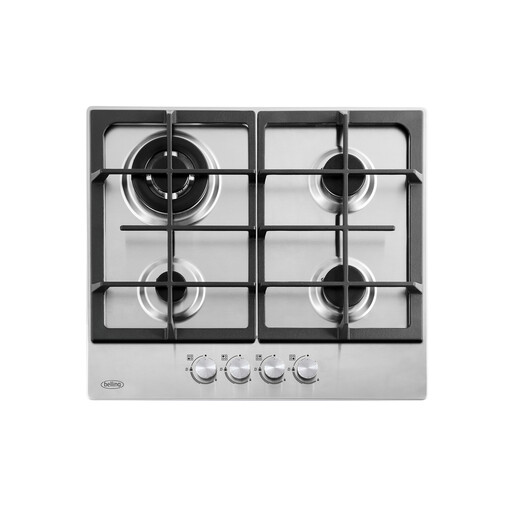
Why It Stands Out: This Belling model combines the familiarity of gas cooking with robust, modern construction. The inclusion of a powerful 3.6kW wok burner makes it highly versatile for various cooking styles, while the durable cast iron pan supports provide a stable and long-lasting base for even the heaviest pots.
Pros:
Who is it for? Home cooks who love the responsive control of a gas hob and need a durable, reliable appliance for daily family meals. It is an excellent choice for those who value traditional cooking methods backed by modern safety standards.
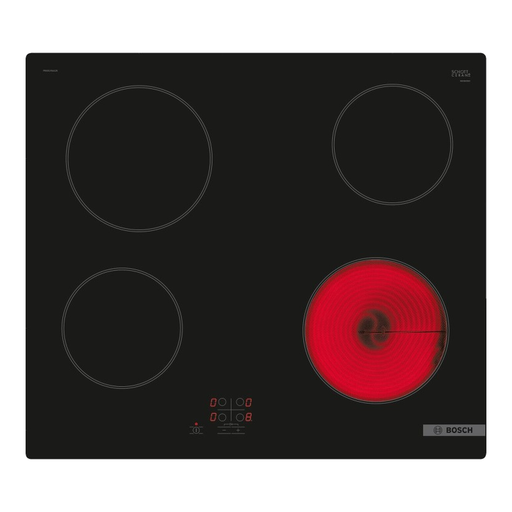
Why It Stands Out: The Bosch Series 2 ceramic hob offers a clean, minimalist aesthetic with its frameless black glass hob surface and intuitive touch controls. The absence of knobs not only looks modern but makes cleaning exceptionally simple. Its HighSpeed cooking zones also reduce waiting times.
Pros:
Who is it for? Those looking for a modern, low-maintenance electric hob that is both stylish and easy to use. It is ideal for households where convenience and a streamlined kitchen design are priorities.
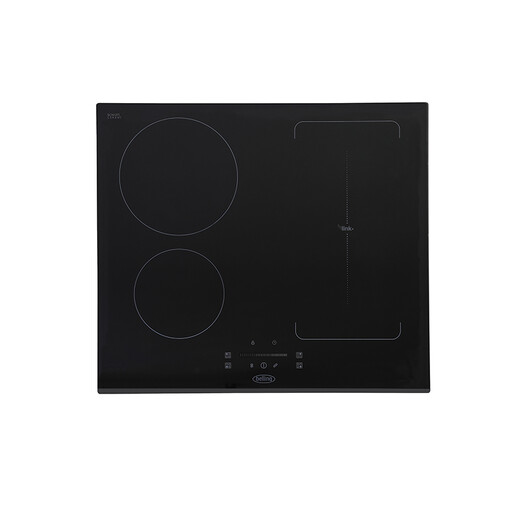
Why It Stands Out: This Belling induction hob brings speed, safety and flexibility to the kitchen. Its Link+ feature allows you to combine two zones into one large cooking area, perfect for griddle pans or large cookware. The use of durable Schott Ceran glass and a front bezel to protect against chips shows a focus on longevity.
Pros:
Who is it for? Cooks who want the latest in hob technology for fast, energy-efficient results. Its enhanced safety features and flexible cooking zones make it a great fit for families and enthusiastic home chefs alike.
If the models above aren't the perfect match, or if you'd like to compare more styles and brands, there are many other kitchen hobs uk to discover.
Explore our full range of stoves and hobs to find the ideal fit for your kitchen.
1. What is the main difference between a ceramic and an induction hob? A ceramic hob uses coiled metal elements under the glass to heat the surface, which then transfers heat to the pan. An induction hob uses electromagnets to heat the pan directly. This makes induction faster, more energy-efficient and safer as the hob surface itself does not get as hot.
2. Do I need special pans for an induction hob? Yes. Induction hobs require cookware made from a ferrous (magnetic) material, such as cast iron or stainless steel. An easy way to check if your current pans are compatible is to see if a magnet sticks firmly to the base. Pans made of aluminium, copper or glass will not work on an induction hob.
3. How do I know if a 60cm hob will fit my worktop? While "60cm" refers to the hob's general width, the most important measurement is the 'cut-out' or 'recess' dimension, which is the size of the hole required in your worktop. Always check the detailed specifications for the exact recess dimensions (width and depth) and ensure they match your existing cut-out or the plans for your new kitchen.