
24/7 Customer Support

Free returns

Same-day & Next-day Delivery

Quality Guaranteed

Unlock Your Welcome Offers: FREE Delivery | Up to 80% OFF | Free 30-day JoyPlus trial
Download the APP
From wrapping leftovers to lining the grill for a weekend barbecue, aluminium foil is a staple in most UK kitchens. But with so many options available—from rolls of varying thickness to pre-formed trays and innovative bags—choosing the right product for your needs can be confusing. This guide is designed to help you understand the different types of aluminium foil food storage and identify practical solutions for cooking, storing and transporting your meals.
We will explore the key features to look for, from material thickness to format, helping you make an informed choice for everything from daily meal prep to catering a small event.
Before you add an item to your basket, consider these points to ensure you get a product that performs as you expect.
The thickness of aluminium foil, measured in microns (μm), directly impacts its strength and heat resistance. Standard foil is typically around 9-12μm, which is fine for covering bowls or wrapping sandwiches. However, for more demanding tasks, you will want something more robust.
A heavy duty tin foil is usually 15μm or thicker. This added thickness makes it less likely to tear when wrapping awkward shapes or heavy joints of meat. It is also a better choice for barbecue foil, as it can withstand higher temperatures and direct contact with grill grates without puncturing.
Aluminium foil is no longer just a simple roll. The format you choose can make your food preparation and storage significantly more convenient.
Always check that you are purchasing food grade aluminium foil. This ensures the material is manufactured to standards that make it safe for direct contact with what you eat. While generally very safe, it is a good practice to avoid long-term storage of highly acidic or salty foods (like tomato-based sauces or pickled items) in aluminium foil, as this can cause a small amount of the metal to leach into the food over time.
Here are a few standout options that cater to different household needs, from everyday cooking to organised meal prepping.
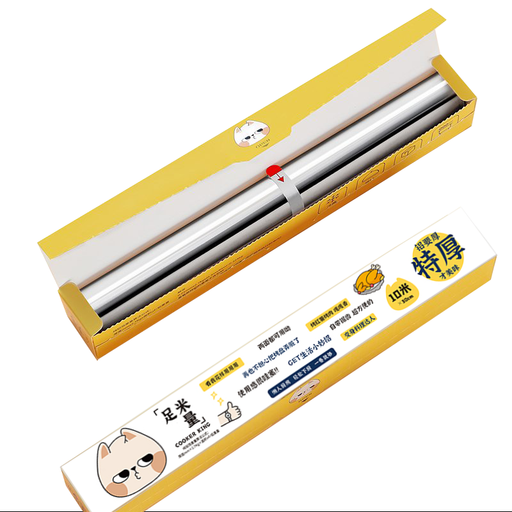
Why It Stands Out: This is a reliable, multi-purpose foil that offers a noticeable step up from standard supermarket rolls. With a thickness of 15μm, it qualifies as a heavy-duty option, providing the strength needed for grilling, roasting heavy items and securely wrapping food for the freezer without tearing.
Pros:
Who is it for? Home cooks who need a versatile and durable foil for a wide range of tasks, from lining oven trays for easy clean-up to using as a dependable barbecue foil.
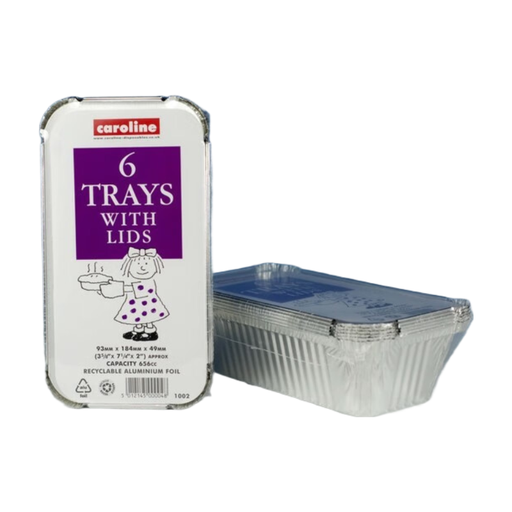
Why It Stands Out: These foil trays with lids offer exceptional convenience for anyone who regularly prepares meals in advance or caters for small groups. The ability to bake, store, transport and reheat in the same container streamlines the entire process. The included lids fit securely, making them easy to stack in the fridge or freezer and transport without spills.
Pros:
Who is it for? Anyone dedicated to meal prep storage, home bakers who share their creations or those hosting buffets and family gatherings who need practical, disposable catering trays.
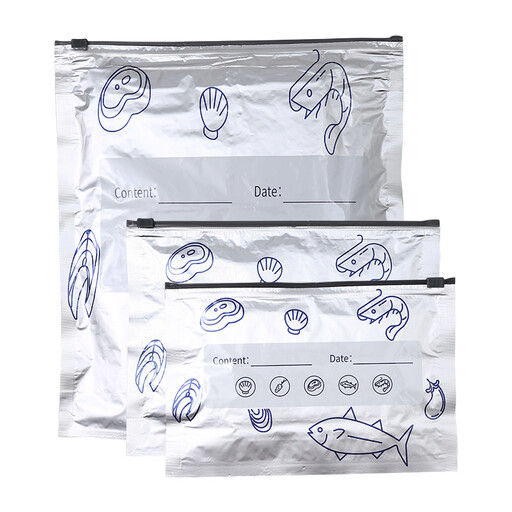
Why It Stands Out: These reusable freezer bags combine the light- and odour-blocking properties of aluminium foil with the airtight seal of a modern storage bag. The multi-layer material is designed to reduce oxidation and prevent freezer burn, keeping meat and seafood fresh. The stand-up design and writable label area make organising your freezer simple.
Pros:
Who is it for? Those looking for an effective solution for freezing meat, fish or batch-cooked ingredients. It is a great choice for anyone who values organisation and wants to minimise food waste through better meal prep storage.
While these selections cover some of the most common uses, your specific needs might call for different sizes or styles. If you are looking for larger catering trays, different shaped containers or other specialised foil products, you can find a wider selection to suit any task.
Explore our full range of foil containers to find the perfect match for your kitchen.
Yes, using food grade aluminium foil for cooking is generally considered safe by food standards agencies. It is a stable material that does not react with most foods. However, for best practice, it is advisable to limit its use for long-term cooking or storage of very acidic or salty foods, as these can cause a minimal amount of aluminium to migrate to the food.
The main difference is thickness. Heavy duty tin foil is thicker (usually 15μm or more) and therefore stronger and more resistant to tearing and high heat. This makes it better suited for tasks like lining a grill, wrapping large or heavy items for roasting or protecting food from freezer burn. Standard foil is thinner and works well for lighter duties like covering dishes or wrapping sandwiches.
Yes, most containers described as oven safe foil containers are specifically designed for this purpose. They are an excellent choice for baking lasagnes, pies or casseroles. However, the accompanying lids (which are often made of card or plastic-lined card) are typically not oven-safe and should be removed before placing the container in the heat. Always check the product's packaging or description for specific instructions.