
24/7 Customer Support

Free returns

Same-day & Next-day Delivery

Quality Guaranteed

Unlock Your Welcome Offers: FREE Delivery | Up to 80% OFF | Free 30-day JoyPlus trial
Download the APP
Dandruff can make hair feel oily, dry or difficult to manage, while persistent itching may affect your comfort throughout the day. However, choosing an anti-dandruff shampoo is not simply a matter of selecting the most familiar bottle. Different formulas focus on flakes, excess oil, dryness, sensitivity or regular maintenance.
The following guide explains the main buying pitfalls, ingredients and bottle sizes to consider before choosing a dandruff shampoo in the UK.
Dry scalp and dandruff can both cause white flakes and itching, but they are not identical concerns. A dry scalp may benefit from a gentle, fragrance-free or moisturising formula. Dandruff shampoos commonly include ingredients such as piroctone olamine, climbazole or salicylic acid to help manage visible flaking and scalp build-up.
If your scalp feels tight after washing, a strongly cleansing formula may not be the most comfortable choice. Look for a shampoo for dry scalp with humectants such as glycerin or panthenol, or a moisturising anti-dandruff shampoo designed to cleanse without leaving the scalp feeling stripped.
Cooling menthol, a rich lather or a strong fragrance can make a shampoo feel effective, but these sensory features do not automatically indicate better dandruff control. Fragrance and essential oils may also be unsuitable for some sensitive scalps.
Read the ingredient list rather than relying only on claims such as “deep clean”, “scalp relief” or “flake-free”. If you are prone to irritation, consider a sensitive scalp shampoo with fewer potential irritants and follow the product’s warning instructions.
A 750ml or 1-litre bottle can be practical for frequent washing, but it is poor value if the formula causes discomfort or leaves hair excessively dry. Smaller 95ml, 200ml or 250ml bottles may be more suitable when trying a new product, travelling or comparing formulas before committing to a larger size.
Check whether the bottle is intended for daily use, occasional washing or use alongside another shampoo. Always follow the directions on the packaging, as formulas and recommended routines differ.
The ingredient list can help you compare products objectively:
Ingredient position matters: ingredients listed near the beginning generally make up a larger proportion of the formula. However, the list alone cannot predict how your scalp will respond.
Choose according to your main concern:
For more choices matched to itch and sensitivity concerns, browse the itchy scalp shampoo range.
Bottle size should match your washing routine. A daily anti-dandruff shampoo in a 400ml, 750ml or 1-litre format may suit households or frequent users. A 250ml or 300ml bottle is easier to trial and store, while a 95ml bottle can be useful for short trips.
Compare the price per 100ml rather than the shelf price alone. This gives a clearer view of value between different bottle sizes.
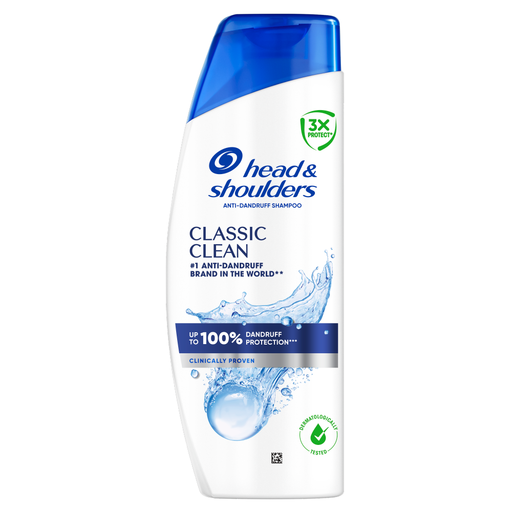
Why This Fits Their Persona: The 250ml format offers a practical starting point for adults who want to try a familiar daily anti-dandruff shampoo without immediately buying a large bottle.
Its smaller size reduces the risk of being left with a large bottle if the fragrance or cleansing feel does not suit you.
Contains pyrithione zinc at 1% according to the supplied product information; it is also labelled pH-balanced and paraben-free.
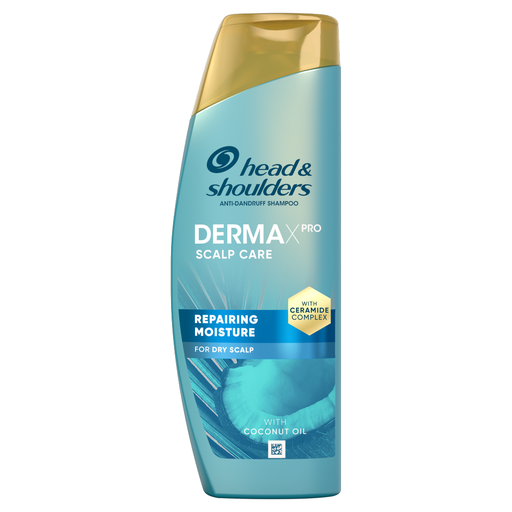
Why This Fits Their Persona: Suitable for shoppers prioritising a moisturising anti-dandruff shampoo for dry-feeling hair and scalp, particularly during colder or drier indoor conditions.
It makes its moisture focus clear through coconut oil and a ceramide complex, rather than relying only on a fresh fragrance or cooling sensation.
Includes piroctone olamine, coconut oil and a ceramide complex; the 300ml bottle is convenient for regular use.
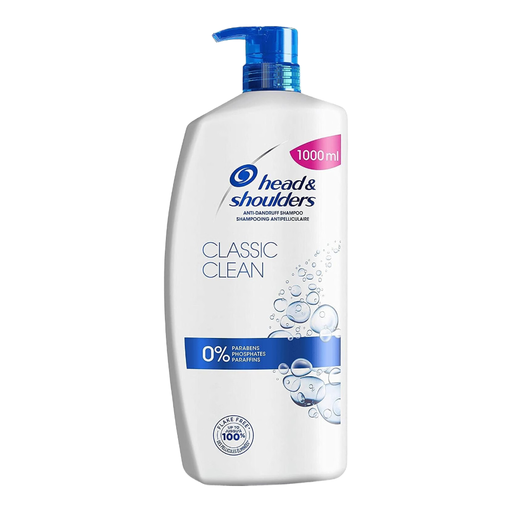
Why This Fits Their Persona: The 1-litre format suits households, frequent washers and people who already know that a Classic Clean formula fits their routine.
The large size makes sense only when regular use is expected, helping avoid repeated small-bottle purchases and unnecessary packaging.
Provides 1 litre of product and includes piroctone olamine in the listed ingredients; the formula is described as pH-balanced and dermatologically tested.
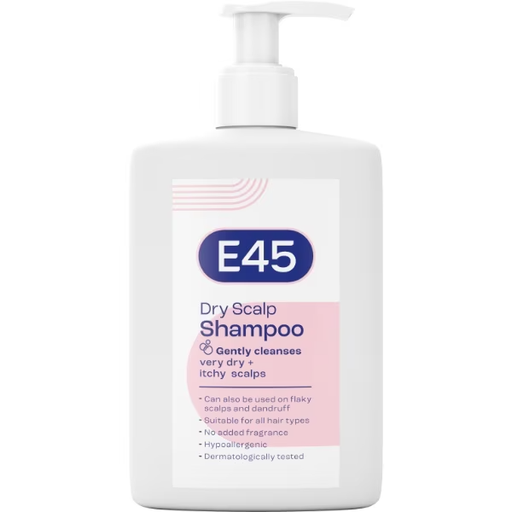
Why This Fits Their Persona: A sensible option for adults seeking a fragrance-free shampoo for itchy scalp, dryness and flaking, especially when fragrance or perfume is a concern.
The product information specifies that it is free from fragrance, soap and perfume, helping shoppers avoid formulas selected mainly for scent.
Contains panthenol and climbazole; the 250ml formula is described as hypoallergenic and suitable for everyday use.
We have compiled a complete, real-time list of products that fully satisfy these strict selection criteria and UK safety regulations.
If flakes, itching or redness persist, worsen or seem unrelated to ordinary dandruff, speak to a pharmacist or GP for suitable advice.
Some products are labelled for daily use, while others recommend use at least twice weekly or according to professional advice. Always follow the specific bottle directions. If daily washing leaves your scalp tight or irritated, reassess the formula and frequency.
This depends on hair length, washing frequency and the amount used. A 250ml bottle may last several weeks for a single user, while a 750ml or 1-litre bottle can suit frequent washing or shared household use. Using more shampoo does not necessarily improve results; apply enough to cover the scalp and rinse thoroughly.
Not automatically. Check whether it contains fragrance, menthol, essential oils or exfoliating ingredients that may not suit you. A fragrance-free option such as E45 Dry Scalp Shampoo may be preferable for some users, but discontinue use if discomfort occurs and seek advice if symptoms continue.