
24/7 Customer Support

Free returns

Same-day & Next-day Delivery

Quality Guaranteed

Unlock Your Welcome Offers: FREE Delivery | Up to 80% OFF | Free 30-day JoyPlus trial
Download the APP
As a Joybuy Product Recommendation Officer, my role is to help you navigate the crowded market of groceries and find products that deliver on their promise. When it comes to stocking your pantry with authentic Asian cooking ingredients, it's easy to be misled by clever packaging and marketing claims. Many home cooks in the UK, eager to recreate the vibrant flavours of East and Southeast Asia, often face disappointment. Let's look at the common pitfalls to avoid.
The most frequent issue is the "authenticity trap." A product might feature beautiful Asian-inspired branding, but a quick look at the ingredients reveals it's a Westernised version, often overly sweet or lacking the complex, fermented depth of the real thing. This leads to dishes that taste flat and uninspired.
Another problem is paying for fillers. Some sauces are bulked out with high-fructose corn syrup, excessive salt and flavour enhancers, while the core ingredient—be it oyster extract or fermented soybeans—is barely present. You end up with a bottle of salty syrup instead of a genuine flavour base, which is a waste of money and compromises your cooking.
To ensure you're getting genuine value and flavour, focus on a few core parameters. These are the non-negotiable details that separate authentic staples from the imitations.
The soul of many essential Asian pantry staples comes from fermentation. This process is crucial for developing the deep, savoury umami flavour in products like soy sauce, Korean gochujang and Thai fish sauce. A key indicator of an authentic product is its origin. A gochujang made in Korea or a Japanese seasoning like soy sauce produced in Japan is more likely to adhere to traditional methods. These products are crafted for a local palate that expects a specific flavour profile, which is exactly what you need for authentic recipes.
Always read the back of the bottle. The ingredient list is your most reliable guide. For an oyster sauce, for example, you want to see "oyster extractives" listed high up, not buried at the end after water, sugar and salt. For Chinese cooking sauces or Thai food essentials, look for specific ingredients like "anchovy extract" in fish sauce or real chillies and spices in a chilli oil, rather than vague terms like "flavouring." The higher an ingredient is on the list, the more of it is in the product.
Not all sauces are created equal, and using the wrong one can dramatically alter your dish. For instance, light soy sauce is thin, salty and used for seasoning and dipping. Dark soy sauce is thicker, less salty and has a caramel-like sweetness, used primarily for adding colour and a rich flavour to braised dishes and stews. Recognising these differences is key to mastering recipes and making informed purchases when you decide to buy Asian groceries online UK.
To help you start your pantry, we've matched some reliable products to different types of home cooks.
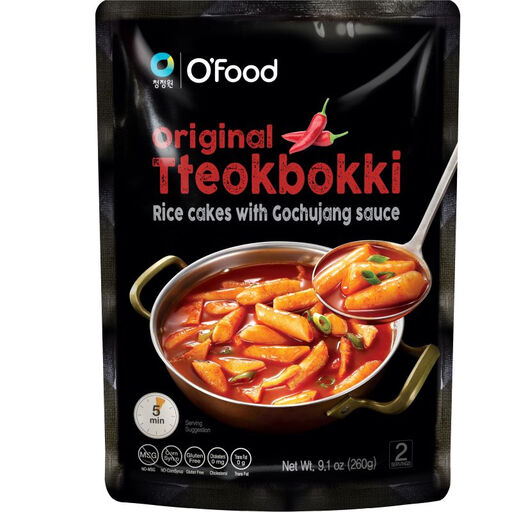
Why This Fits Their Persona: For the home cook in the UK wanting to make authentic tteokbokki (spicy rice cakes) without the fuss. This sauce removes the guesswork of balancing gochujang, sugar and other seasonings, offering a convenient shortcut to a classic Korean street food dish.
This is a purpose-built sauce from a Korean brand, ensuring it delivers the intended spicy-sweet flavour profile, not a generic, Westernised "spicy sauce."
Extremely convenient, allowing you to prepare an authentic-tasting dish in around 5 minutes. The concentrated formula provides a rich, thick sauce.
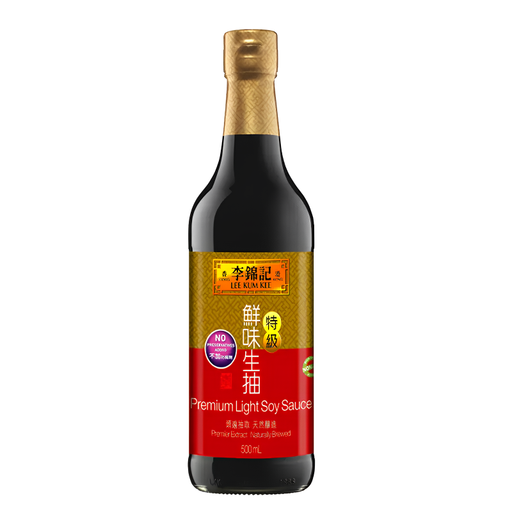
Why This Fits Their Persona: This user is building their foundational Asian pantry and needs a versatile, high-quality staple. Light soy sauce is essential in countless Chinese, Japanese and Southeast Asian recipes, making it the perfect starting point.
It avoids the "filler" trap by being a premium-grade sauce from a globally recognised brand. It is properly fermented from non-GMO soybeans, delivering genuine umami rather than just saltiness.
Delivers a rich soy aroma and pronounced umami flavour. It is highly versatile for dipping, marinating, stir-frying and general seasoning.
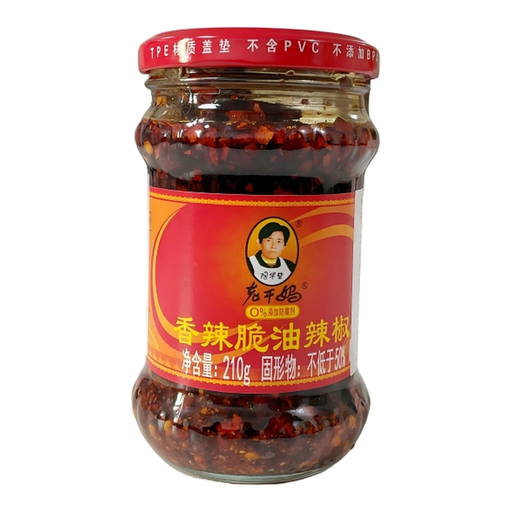
Why This Fits Their Persona: This cook wants to add an instant, complex layer of flavour and texture to everything. They appreciate iconic, authentic condiments that deliver a powerful punch and are celebrated by food lovers worldwide.
This is the benchmark for Chinese chilli crisp, not an imitation. It sidesteps the "inauthentic flavour" pitfall by being the very product others try to copy, known for its unique blend of crunchy, savoury and spicy elements.
Incredibly versatile, it enhances noodles, rice, dumplings, eggs and stir-fries. The combination of crunchy chilli flakes, peanuts and aromatic oil provides unparalleled texture and flavour.
We have compiled a complete, real-time list of products that fully satisfy these strict selection criteria and UK safety regulations.
This is a common point of confusion. Light soy sauce (or 'all-purpose') is thinner, lighter in colour and saltier. It's used for seasoning during cooking or as a dipping sauce, adding a savoury flavour without significantly changing the colour of the dish. Dark soy sauce is aged longer, often with molasses or caramel, making it thicker, much darker and less salty with a slightly sweet taste. Its primary use is to add a rich, dark colour to dishes like braised meats and fried rice.
Most fermented, high-salt sauces like soy sauce and fish sauce are very stable. When stored in a cool, dark pantry, they can last for a year or even longer after opening. However, for pastes like gochujang, miso, or chilli bean paste, refrigeration is recommended to preserve their flavour and prevent spoilage. They can last for many months in the fridge. Always check the product's storage instructions, but a good rule of thumb is to refrigerate any paste or sauce that contains fresh ingredients like garlic or chilli.
Yes, for many people, it is. While local supermarkets are improving their world food aisles, they often carry a limited selection of mainstream brands. When you buy Asian groceries online in the UK, you gain access to a much wider variety of authentic, brand-name products from Korea, Japan, China and Thailand. This allows you to find the specific ingredients required for traditional recipes and often at more competitive prices.