
24/7 Customer Support

Free returns

Same-day & Next-day Delivery

Quality Guaranteed

Unlock Your Welcome Offers: FREE Delivery | Up to 80% OFF | Free 30-day JoyPlus trial
Download the APP
Recreating the vibrant, complex flavours of your favourite Asian restaurant dishes at home can feel like a challenge. Often, the secret lies not in complicated techniques, but in the pantry itself—specifically, in having the right collection of Asian cooking sauces. Yet, the supermarket aisle can be a confusing place. With countless bottles promising "authentic" taste, it is easy to end up with a cupboard full of sauces that do not quite deliver.
As a Joybuy Product Recommendation Officer, my role is to help you navigate this landscape. We will look past the marketing claims to identify the common purchasing pitfalls and focus on what truly matters for bringing genuine flavour to your kitchen.
Many home cooks find their homemade stir-fries or marinades lack the punch of a restaurant-made dish. This is often due to choosing the wrong sauce. Here are two frequent traps to be aware of:
To ensure you are buying a product that will elevate your cooking, focus on these key parameters before you purchase.
The ingredient list is the most reliable guide to a sauce's authenticity. Different cuisines rely on specific foundational flavours.
Understanding a sauce's intended function is crucial.
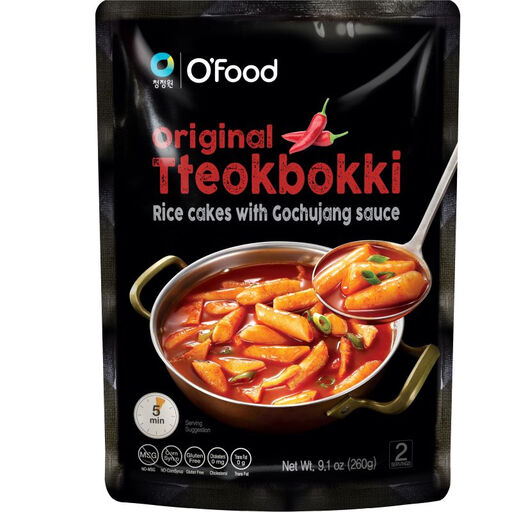
Why This Fits Their Persona: For those in the UK wanting to quickly recreate a specific Korean street food favourite, this sauce eliminates guesswork. It is designed to make authentic-tasting tteokbokki (spicy rice cakes) in under 5 minutes, perfect for a fast and flavourful weeknight meal.
It directly counters the "all-purpose" myth. This is not a generic spicy sauce; it is specifically formulated for tteokbokki, ensuring the correct balance of sweet, savoury and spicy for that one dish.
Creates a complete, authentic-tasting meal in minutes. The concentrated format means a small packet delivers a big flavour punch.
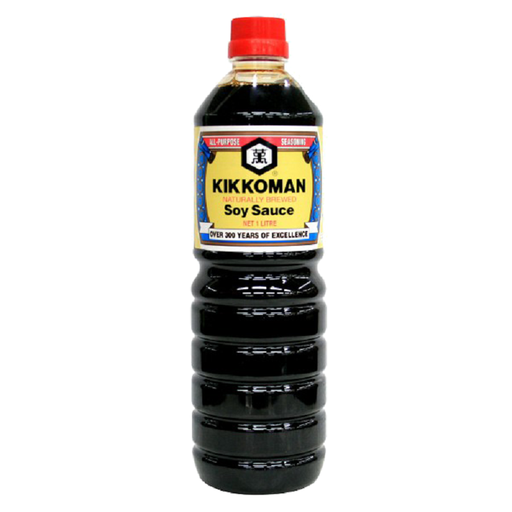
Why This Fits Their Persona: For the home cook serious about Asian cuisine, a reliable, high-quality soy sauce is non-negotiable. This large 1L bottle of naturally brewed soy sauce serves as a versatile foundation for countless recipes, from simple dipping sauces to complex marinades.
This avoids paying a premium for a poor-quality product. Kikkoman's reputation is built on its traditional, natural brewing process, which yields a complex umami flavour that cheaper, chemically produced soy sauces lack.
Naturally brewed for a superior, well-rounded flavour. The large 1L bottle offers great value for those who cook with it regularly.
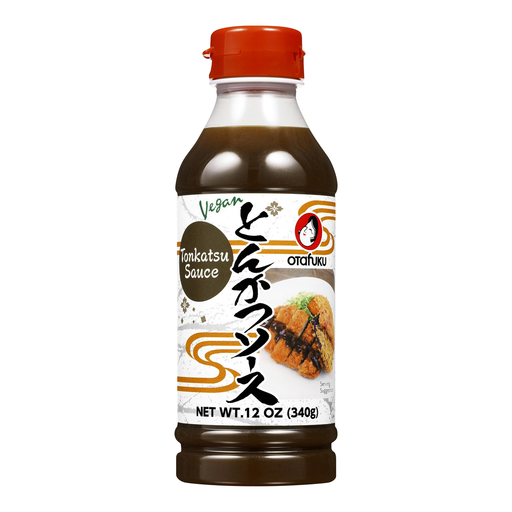
Why This Fits Their Persona: This user wants to make a perfect chicken or pork katsu at home. This sauce is the quintessential condiment for that dish, providing the exact sweet, savoury and tangy flavour profile expected from a Japanese restaurant.
It cuts through the "misleading labels" trap. This is not just a generic "brown sauce." The ingredient list, featuring a blend of over 20 fruits and vegetables, confirms its role as a proper tonkatsu sauce.
Authentic, multi-layered flavour from a complex fruit and vegetable base. The thick consistency is ideal for clinging to fried foods.
We have compiled a complete, real-time list of products that fully satisfy these strict selection criteria and UK safety regulations.
Storage life varies by type. Soy-based sauces with high salt content, like soy sauce or teriyaki, can last for several months in the refrigerator. Sauces containing fruit, vegetable or dairy components, such as tonkatsu sauce or peanut satay sauces, have a shorter shelf life and should typically be consumed within 1 to 3 months of opening. Always refer to the packaging for specific storage guidance and keep sauces refrigerated after opening to maintain their quality.
It is not recommended, as they serve different purposes. Light soy sauce (or 'thin' soy sauce) is saltier and is used primarily for seasoning, adding a foundational umami flavour without significantly altering the colour of the dish. Dark soy sauce is aged longer, often with molasses, making it thicker, less salty, and sweeter. Its main function is to add a rich, dark colour to dishes like braised meats and noodles. Using one in place of the other will noticeably change the flavour and appearance of your final dish.