
24/7 Customer Support

Free returns

Same-day & Next-day Delivery

Quality Guaranteed

Unlock Your Welcome Offers: FREE Delivery | Up to 80% OFF | Free 30-day JoyPlus trial
Download the APP
Buying Asian cooking sauces can make weekday meals quicker, but the wrong bottle may leave you with an overly sweet stir-fry, an unsuitable allergen profile or far more sauce than your household can use. Chinese sauces, Thai sauces and Cantonese sauces differ considerably in saltiness, texture, sweetness and intended use.
This guide explains what to check before buying, then matches several options to different cooking habits.
A sauce labelled for stir-frying may still work better as a seasoning, glaze or dipping condiment. Soy sauce, for example, adds salt and umami but may need balancing with sugar, vinegar, stock, garlic or chilli. A thick mushroom sauce can coat vegetables and noodles, while a concentrated sukiyaki sauce may need dilution before cooking.
Always check the usage instructions. Products described as concentrated are not necessarily ready to use in the same quantity as a pourable dipping sauce.
Vegetarian oyster sauce is commonly made with mushrooms or soy-based ingredients rather than oysters. However, vegetarian does not always mean free from wheat, gluten, soy or sesame. For example, Lee Kum Kee Mushroom Vegetarian Stir Fry Sauce lists soybeans and wheat, while Lee Kum Kee Vegetarian Oyster-Flavoured Sauce lists soybeans.
If you are buying for a vegan diet or allergy-sensitive household, read the full ingredient and allergen declaration on the product page and packaging. Do not rely on the front label alone.
A 1.9-litre bottle may offer practical value for a busy household, takeaway-style cooking or professional kitchen, but it may be inconvenient for occasional users. Opened sauces often require refrigeration, and some have a recommended consumption period after opening.
Check net quantity, storage instructions and typical serving use together. A smaller bottle can be more suitable if you only prepare Asian-inspired meals occasionally.
Choose the sauce according to the dish you usually prepare:
Look for the ingredients most relevant to your diet. Common allergens in Asian condiments include soybeans, wheat, gluten, sesame, peanuts, crustaceans and molluscs.
Also distinguish between a sauce’s culinary name and its actual ingredients. An oyster-flavoured vegetarian sauce may contain mushroom extract and soy, whereas traditional oyster sauce contains oyster or oyster extract. Check whether the product is described as suitable for vegetarians or vegans, and verify the packaging before serving.
Many sauces are used in small quantities, so the nutrition panel should be read in context. Several products in this category contain notable levels of salt or sugar per 100g or 100ml. This does not make them unsuitable, but it means you may not need extra salt in the recipe.
For concentrated products, follow the dilution guidance. Mae Pranom Sukiyaki Sauce Cantonese is described as a concentrated sauce, with a typical starting ratio of one part sauce to two or three parts water or dashi stock. Adjust the flavour gradually rather than adding the full amount at once.
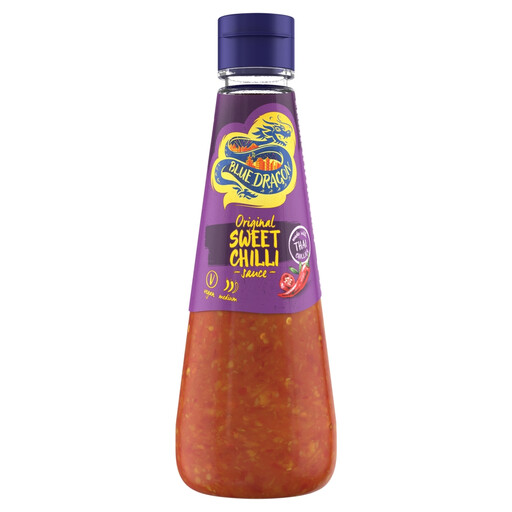
Why This Fits Their Persona: A manageable 250g bottle for shoppers trying Asian condiments in a small household. It can be used for dipping, marinades and stir-fries rather than being limited to one recipe.
The product description clearly identifies sweet chilli sauce as suitable for dipping, stir-fries and marinades, helping avoid buying a sauce for a use it cannot perform.
Contains red chillies and garlic; 250g size is practical for occasional use. Refrigerate after opening and consume within the stated period.
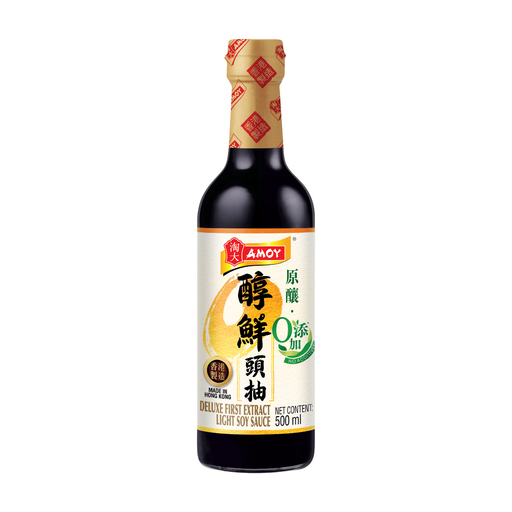
Why This Fits Their Persona: Suits cooks who want a multi-purpose soy sauce for finishing, dipping, steamed dishes and everyday seasoning.
Its listed ingredients are straightforward: water, soybeans, salt, wheat flour and sugar. This makes it easier to compare with more heavily formulated soy sauces.
500ml bottle; no added preservative, MSG, flavour enhancer or artificial colour is stated in the product information. Contains soybeans and wheat.
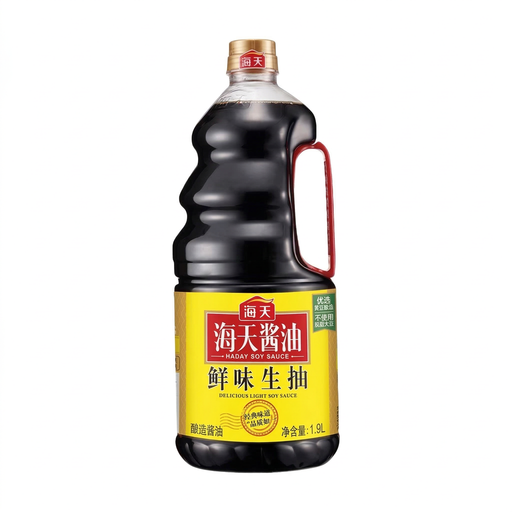
Why This Fits Their Persona: Designed for high-volume kitchens, frequent home cooking or catering use where a 500ml bottle would need regular replacement.
The 1.9-litre format makes the intended high-usage profile clear, reducing the risk of paying for a large bottle that will sit unused.
Suitable for stir-frying, braising, dipping, marinating and cold dishes. It contains soybeans and wheat and should be refrigerated after opening.

Why This Fits Their Persona: A plant-based alternative for cooks who want a thick, savoury seasoning for tofu, vegetables, noodles and braised dishes.
The ingredient list uses soybean and mushroom extracts rather than oyster or oyster extract. It still contains soybeans, so allergy checks remain necessary.
260g size; suitable for stir-frying, braising, marinating and dipping. The product information describes it as suitable for vegetarian and vegan diets.
We have compiled a complete, real-time list of products that fully satisfy these strict selection criteria and UK safety regulations.
A versatile soy sauce and a sweet chilli sauce are practical starting points. Soy sauce works in stir-fries, marinades, braised dishes and dipping sauces, while sweet chilli sauce can be served with spring rolls, grilled food or noodles. Add a vegetarian mushroom sauce if you regularly cook tofu or vegetables.
Many opened sauces should be refrigerated, including the products listed above. Storage instructions differ, so check the label after opening. Keep bottles sealed, away from heat and direct sunlight, and use them within the recommended period.
They are usually used in small amounts, which can make a smaller bottle suitable for occasional cooking. For frequent stir-fries or professional kitchens, larger formats such as 850g oyster sauce or 1.9-litre soy sauce can reduce the need for repeated purchases. Compare the pack size with your actual cooking frequency, storage space and the sauce’s shelf life after opening.