
24/7 Customer Support

Free returns

Same-day & Next-day Delivery

Quality Guaranteed

Unlock Your Welcome Offers: FREE Delivery | Up to 80% OFF | Free 30-day JoyPlus trial
Download the APP
By Joybuy Product Recommendation Officer
Asian cooking sauces and pastes can turn a few everyday ingredients into a satisfying stir-fry, noodle bowl, curry or soup. However, choosing the right jar is not simply a matter of picking the most attractive label. Flavour strength, allergens, storage requirements and intended use can all affect whether a product works well in your kitchen.
This guide highlights the main buying pitfalls and explains how to compare Chinese sauces, Japanese sauces, Korean soybean paste and Thai curry paste before placing an order.
A paste such as Tom Yum paste, chilli bean sauce or Thai green curry paste is usually designed to be fried, diluted or simmered with other ingredients. A dipping sauce, such as tonkatsu sauce or mentsuyu, may be ready to serve but can still require dilution.
Always check the preparation instructions. For example:
Buying a large tub without considering how often you cook that style of food can lead to waste once the product is opened.
Some sauces use seafood ingredients in small but significant quantities. Thai curry pastes and Tom Yum pastes can contain shrimp paste, dried shrimp, fish sauce or anchovy. Oyster sauce contains molluscs, while Korean and Chinese fermented pastes commonly contain soy and wheat.
For vegetarian or vegan shoppers, a mushroom-based stir-fry sauce may be a more suitable option than conventional oyster sauce. Nevertheless, check the full ingredient list and allergen statement on the packaging, particularly if your household avoids soybeans, wheat, gluten, fish, crustaceans, molluscs, peanuts or celery.
A 400g curry paste may appear economical, but concentrated products are used by the tablespoon rather than poured freely. Conversely, a 150g soybean paste may be practical for occasional cooking but less suitable if you prepare Korean dishes each week.
Compare:
This gives a more useful cost comparison than looking at the pack size alone.
Start with the meal you want to prepare. Chilli bean sauce, also known as toban djan, is fermented, savoury and spicy, making it useful in Sichuan-style dishes such as Mapo Tofu and wok cooking. Miso paste provides fermented soybean umami for soup, glazes and dressings. Tonkatsu sauce is thicker and fruitier, designed to cling to fried foods.
For Thai cooking, select the paste according to the dish:
In the UK, allergen information should be clearly presented on food packaging. Still, it is sensible to read the label each time, as recipes and packaging can change.
Look for the ingredients in bold and check whether the product contains:
A product made in Thailand, Japan, China or South Korea may offer a regional flavour profile, but country of origin does not remove the need to check suitability for your household.
Many Asian condiments are shelf-stable while sealed but need refrigeration after opening. Follow the specific product guidance rather than relying on appearance or smell.
For example, some products recommend using within one month, while certain curry pastes allow longer storage when tightly sealed and refrigerated. Use a clean spoon, close the lid securely and keep the jar away from heat and direct sunlight. Always follow the date and storage instructions printed on the packaging.
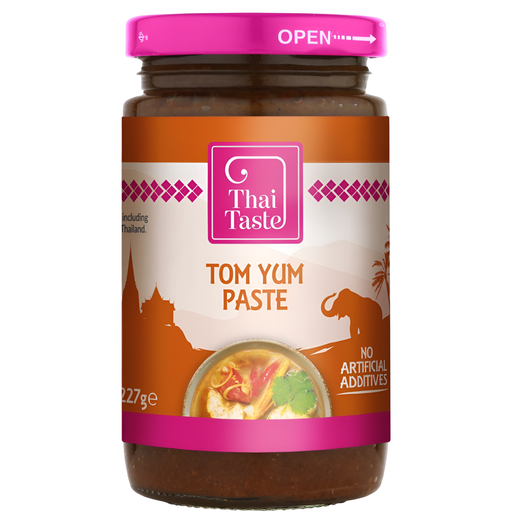
Why This Fits Their Persona: A manageable size for cooks trying Thai flavours without committing to a large catering-style jar. Use 1–2 tablespoons with 500ml of water or stock for soup.
The usage ratio is stated clearly, helping you avoid treating a concentrated paste as a finished soup or dipping sauce.
Made in Thailand; suitable for soups, stir-fries and marinades. Contains fish, crustaceans and soybeans.
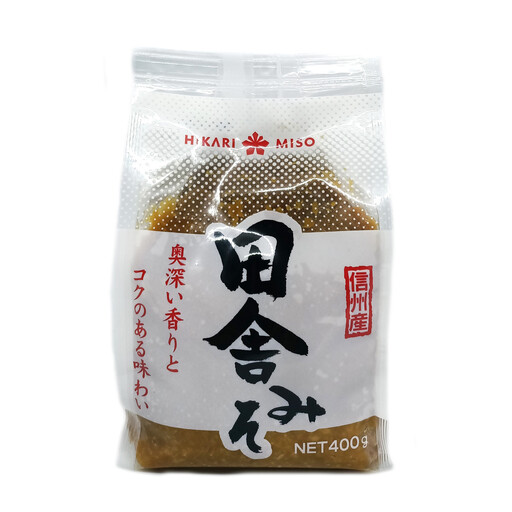
Why This Fits Their Persona: A Japanese red miso with a coarse texture and visible rice koji grains, suited to cooks seeking a pronounced fermented flavour for soup, glazes and noodle dishes.
The product style and suggested ratio—approximately one tablespoon per cup of dashi or hot water—make its strength easier to manage.
Made in Japan; contains soybeans, rice, salt and alcohol. Refrigerate after opening.
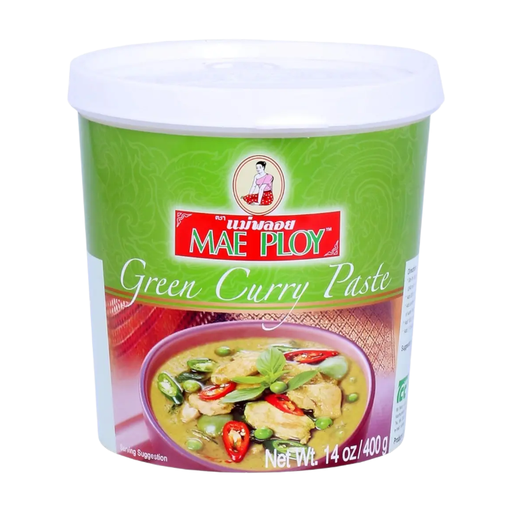
Why This Fits Their Persona: A larger format for regular Thai curry nights, meal preparation or cooks who use curry paste in soups, marinades, noodles and stir-fries.
The instructions explain how to fry the paste before adding coconut milk, reducing the risk of using it raw or underdeveloping its aroma.
Contains green chilli, lemongrass, garlic and galangal; made in Thailand. Contains shrimp and may contain traces of soy and milk.
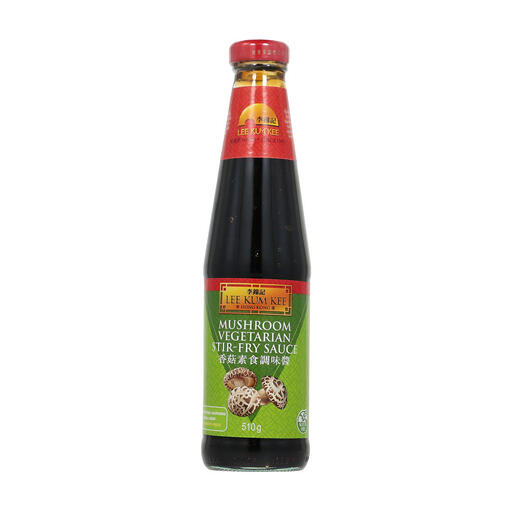
Why This Fits Their Persona: A practical choice for tofu, vegetables, noodles and rice dishes when you want an oyster-style savoury note without animal ingredients.
Its mushroom base provides a clear alternative to oyster sauce, although the label still lists soy and wheat, so it is not suitable for every allergy profile.
510g bottle; suitable for stir-frying, braising, dipping and seasoning. Refrigerate after opening.
We have compiled a complete, real-time list of products that fully satisfy these strict selection criteria and UK safety regulations.
A versatile combination is a stir-fry sauce, miso paste or soybean paste, and one curry or soup paste. Choose based on the meals you already cook. A mushroom stir-fry sauce works with vegetables, tofu and noodles, while miso can be used in soup, dressings and glazes.
There is no single lifespan. Storage guidance varies by product, so check the label. Many sauces and pastes should be refrigerated after opening and used within one to three months. Keep them sealed and use clean utensils to preserve quality.
Some are, but you must check the ingredients. Mushroom vegetarian stir-fry sauce may suit vegetarian and vegan cooking, whereas oyster sauce, shrimp paste, fish sauce and many Thai curry pastes contain animal-derived ingredients. Also check for soy, wheat, gluten and peanut allergens before purchase.