
24/7 Customer Support

Free returns

Same-day & Next-day Delivery

Quality Guaranteed

Unlock Your Welcome Offers: FREE Delivery | Up to 80% OFF | Free 30-day JoyPlus trial
Download the APP
A well-stocked pantry can transform your home cooking, and a versatile collection of Asian cooking sauces is the key to unlocking a world of flavour. From the savoury depth of Japanese soy sauce to the fiery kick of Korean gochujang, these condiments are the foundation of countless delicious meals. However, with so many options available online, it's easy to end up with a cupboard full of disappointing purchases.
As a Joybuy Product Recommendation Officer, my role is to help you navigate the market. Many home cooks in the UK find themselves caught in a few common traps when trying to buy soy sauce online or explore other world food ingredients. Let's look at how to avoid them.
To ensure you're getting a quality product that suits your cooking style, focus on these key parameters. They are far more telling than the marketing claims on the front of the bottle.
The flavour of a sauce is determined by its core components. For Japanese seasonings and Chinese condiments like soy sauce, the production method is critical.
While sauces are inherently salty, the quality of that saltiness matters. A well-made sauce has a balanced flavour, not just an overwhelming salt-hit. Check the nutritional information for the salt content per 100ml. Furthermore, look for flavour enhancers like Monosodium Glutamate (E621). While not inherently bad, its presence can sometimes indicate that the base ingredients lack natural flavour.
Different sauces are designed for different jobs. Understanding their primary function will save you from culinary mishaps.
Based on these practical criteria, here are a few standout options tailored to different types of home cooks in the UK.
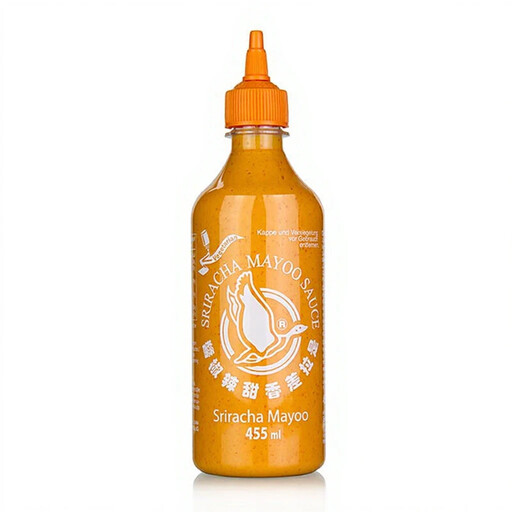
Why This Fits Their Persona: Perfect for the modern UK kitchen, this sauce combines the familiar creaminess of mayonnaise with the gentle heat of Sriracha. It's ideal for elevating everything from burgers and chips to sushi and salads without requiring complex recipes.
Its purpose is clear and specific—a creamy chilli sauce. It doesn't make vague "all-purpose" claims and is clearly labelled as a vegan sriracha mayo, avoiding any dietary confusion.
It's vegan and gluten-free, making it an inclusive choice for households with mixed dietary needs. The creamy texture balances the 20% chilli content for a mild, pleasant heat.
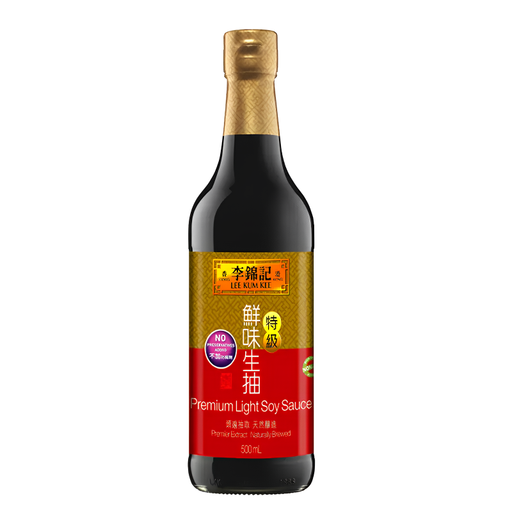
Why This Fits Their Persona: For those wanting to create authentic Chinese condiments at home, this is a foundational staple. It's from a heritage brand known for quality, providing the reliable, savoury flavour needed for classic stir-fries, marinades and dipping sauces.
This sauce avoids the "authentic" label trap by actually using quality ingredients, including non-GMO defatted soybeans. Its purpose as a premium light soy sauce is specific and well-defined.
It delivers a pronounced umami flavour and rich soy aroma, characteristic of a properly fermented sauce. It serves as a versatile and reliable seasoning base for a wide range of dishes.

Why This Fits Their Persona: Finding a rich, umami-packed sauce for vegetarian and vegan cooking can be a challenge. This mushroom-based vegetarian oyster sauce provides the depth and glossy texture needed for stir-fries and braised dishes without any animal products.
It directly solves the "dietary mismatch" problem by being an explicit plant-based alternative. The use of mushroom powder for umami is clearly stated, ensuring transparency for vegan and vegetarian consumers.
It successfully creates a rich, savoury flavour using soybeans, wheat and mushroom powder. It's a versatile seasoning for adding depth to vegetables, tofu and noodles.
We have compiled a complete, real-time list of products that fully satisfy these strict selection criteria and UK safety regulations.
1. What is the difference between light and dark soy sauce? Light soy sauce is the primary all-purpose seasoning and dipping sauce in Chinese cooking. It is thinner, lighter in colour and its main contribution is saltiness and umami. Dark soy sauce is aged longer, often with molasses or caramel, making it thicker, darker and sweeter. It is used sparingly, primarily to add a rich, dark colour to dishes like braised meats and fried rice rather than for saltiness.
2. How long do Asian cooking sauces last after opening? Most soy sauces, thanks to their high salt content, are quite stable. Once opened, they can be stored in a cool, dark cupboard for several months. However, for optimal flavour, refrigeration is recommended, especially for reduced-sodium varieties. Sauces containing oils, like chilli oil or mayonnaise-based products, should always be refrigerated after opening and typically consumed within 8 weeks. Always check the label for specific storage instructions.
3. Can I find good gluten-free Asian cooking sauces? Yes, the options are increasing. Many traditional soy sauces are brewed with wheat, but you can find gluten-free soy sauce, often labelled as Tamari. This is a Japanese-style soy sauce typically made with little to no wheat. Additionally, many Thai cooking sauces like fish sauce are naturally gluten-free, and you can now find excellent vegan and gluten-free versions of oyster sauce and sriracha. Always check the ingredients list and for a "certified gluten-free" symbol on the packaging.