
24/7 Customer Support

Free returns

Same-day & Next-day Delivery

Quality Guaranteed

Unlock Your Welcome Offers: FREE Delivery | Up to 80% OFF | Free 30-day JoyPlus trial
Download the APP
Exploring global cuisines from your own kitchen is one of the great joys of modern cooking. Yet, many of us have faced the same disappointment: you follow a recipe for an authentic Asian dish to the letter, but the result falls flat, lacking the vibrant flavour you remember from a restaurant or street food stall. More often than not, the issue isn't your cooking skills, but the sauces and seasonings in your cupboard.
As a Joybuy Product Recommendation Officer, my role is to help you see past the marketing hype. Before you fill your basket, it's worth knowing the common pitfalls that can lead to wasted money and underwhelming meals.
To make sure you're buying ingredients that will genuinely elevate your cooking, focus on a few key details rather than just the claims on the front of the bottle.
The ingredients list is your most reliable guide. For foundational Asian cooking sauces, the primary authentic ingredient should be listed near the top.
Not all sauces are created equal. Understanding their intended role is crucial for building authentic flavour.
Based on these principles, here are a few recommendations matched to different cooking styles and needs.
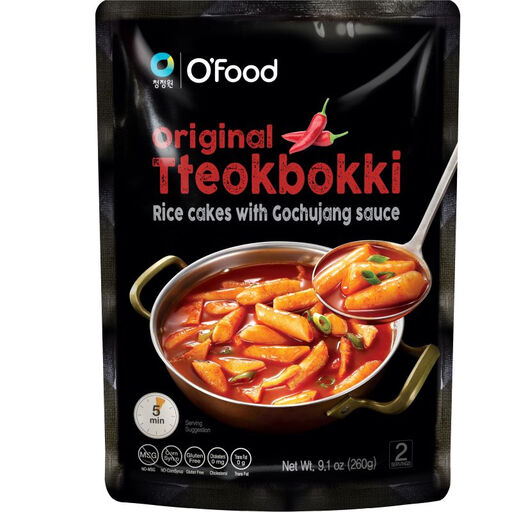
Why This Fits Their Persona: Perfect for anyone wanting to recreate the popular Korean street food dish, Tteokbokki, without the complexity of making the sauce from scratch. It provides a quick and straightforward path to an authentic-tasting meal.
This is a purpose-built Korean tteokbokki sauce, not a generic "Korean" sauce. The 120g packet is ideal for a single meal, preventing waste and the "bulk-buy regret" for a dish-specific ingredient.
Delivers a spicy and savoury street-food-style flavour in around 5 minutes. It's a convenient, concentrated base designed specifically for stir-fried rice cakes.
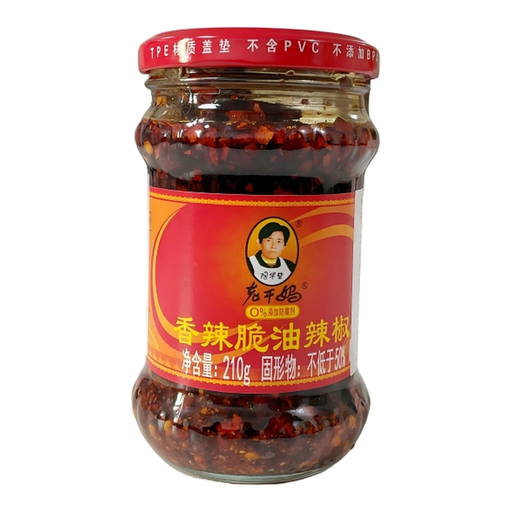
Why This Fits Their Persona: For the home cook who believes everything can be improved with a bit of spice and crunch. This is more than just a hot sauce; it's a versatile condiment that adds savoury depth, aroma and texture.
This is the antithesis of a one-note, vinegary hot sauce. The inclusion of crispy chilli flakes, crunchy peanuts and fermented soybeans in aromatic oil provides a complex experience that generic sauces lack.
An incredibly versatile chilli oil. Use it as a finishing touch on noodles, rice, eggs, dumplings and even pizza. It adds savoury, spicy and crunchy elements to any dish.
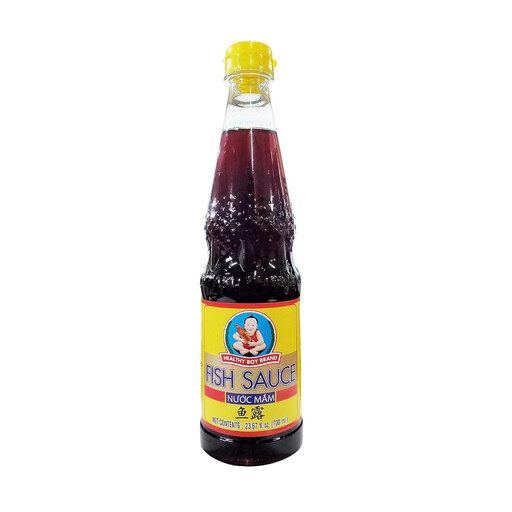
Why This Fits Their Persona: For the cook dedicated to mastering the true taste of Southeast Asian food. Fish sauce is a non-negotiable cornerstone of Thai and Vietnamese cuisine, and this provides the essential salty, umami depth.
It avoids the "inauthentic" trap with a simple, clear ingredient list: ANCHOVIES (50%), salt, water and sugar. The high anchovy content is a sign of a quality fermentation process, not a diluted, overly salty liquid.
This Thai fish sauce is naturally fermented for over 12 months, developing a rich, savoury flavour. The 700ml bottle offers excellent value for a foundational pantry staple.
We have compiled a complete, real-time list of products that fully satisfy these strict selection criteria and UK safety regulations.
This varies greatly. Fermented products like soy sauce and fish sauce have a long shelf life, but refrigeration is often recommended to preserve their flavour. Creamy or oil-based sauces, like Japanese mayonnaise or satay sauce, should always be refrigerated and typically consumed within a month. Always check the label for specific storage instructions.
Light soy sauce is thinner, saltier and used for seasoning and dipping, adding umami without significantly darkening the dish. Dark soy sauce is aged longer, often with molasses or caramel, making it thicker, darker and less salty but with a richer flavour. It is primarily used for adding colour and a deeper, sweeter taste to stews and braised dishes.
Most are ready to use. Chilli oil is a finishing condiment, so you should not cook it. Peanut-based satay sauce can be used as a cold dip or gently heated to enhance its aroma before serving. Cooking pastes like chilli bean sauce, however, must be fried in oil to release their full flavour potential.