
24/7 Customer Support

Free returns

Same-day & Next-day Delivery

Quality Guaranteed

Unlock Your Welcome Offers: FREE Delivery | Up to 80% OFF | Free 30-day JoyPlus trial
Download the APP
Recreating the vibrant, complex flavours of your favourite Asian restaurant dishes at home can feel like a challenge. The secret often lies not in complicated techniques, but in the contents of your pantry. However, the supermarket aisle for Asian cooking sauces can be a confusing place, filled with bottles that promise authenticity but often deliver disappointment. As a Joybuy Product Recommendation Officer, my role is to help you navigate this landscape and choose the right products without falling for common marketing traps.
Many home cooks in the UK find themselves stuck with sauces that don't live up to expectations. Here are a few pitfalls to be aware of:
To build a reliable collection of Asian pantry staples UK home cooks can depend on, focus on a few key parameters rather than flashy packaging.
The quality of a sauce starts with its core components. For a soy sauce, look for terms like "naturally brewed" or "fermented," which indicates a traditional process using soybeans and wheat. This method develops a deep, complex umami flavour that chemically produced sauces cannot replicate. Similarly, for an oyster sauce, check the ingredients list for the presence of oyster extract. For a Thai or Vietnamese fish sauce, the primary ingredient should be anchovy extract, a sign of authentic fermentation.
Understanding a sauce's intended role is crucial.
Different regions have distinct flavour profiles. A Korean BBQ sauce often contains fruit purees like pear for a tenderising sweetness. Japanese sauces like tonkatsu sauce are known for their fruity, tangy character derived from ingredients like dates and apples. A Malaysian satay sauce will have a creamy, nutty base from peanuts and coconut, balanced with spices. Choosing a sauce specific to the cuisine you're cooking is the surest way to achieve an authentic taste.
Instead of a generic list, we've matched our recommendations to specific types of home cooks. This ensures you get a product that truly fits your needs.
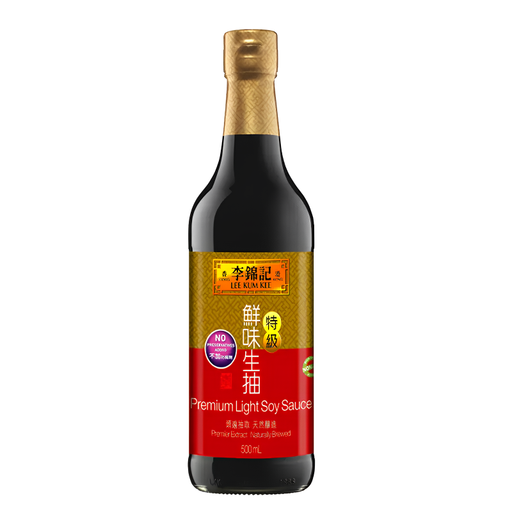
Why This Fits Their Persona: This is the foundational seasoning sauce for countless Chinese and other Asian dishes. For a UK home cook starting their journey, a reliable, high-quality light soy sauce is the most versatile and essential first purchase.
It sidesteps the "filler" trap by being naturally fermented from non-GMO defatted soybeans and wheat, delivering a genuine, rich soy aroma and umami flavour, not just saltiness.
Its clear, reddish-brown colour and pronounced umami make it perfect for seasoning without darkening dishes. It's a versatile workhorse for dipping, marinating and stir-frying.
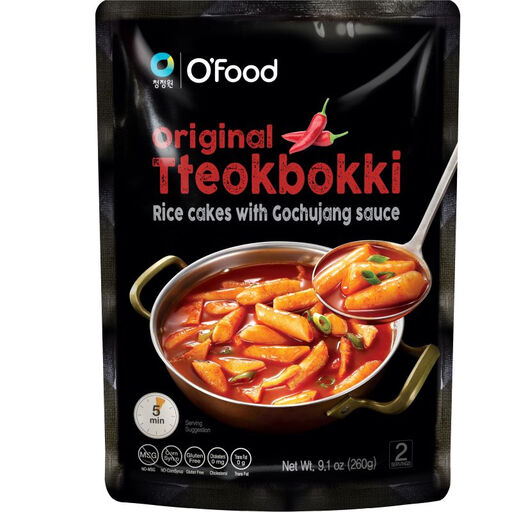
Why This Fits Their Persona: For the person who has a specific craving for Korean street food, this sauce allows them to create authentic, spicy tteokbokki (rice cakes) at home in minutes, without needing to buy and blend gochujang, gochugaru and other ingredients.
This is the opposite of a generic "all-in-one" sauce. It is purpose-built for a single, iconic dish, ensuring the correct balance of spicy, sweet and savoury flavours that a generic "spicy stir-fry sauce" would miss.
It offers convenience without compromising on authentic flavour. The concentrated Korean chili paste base allows for a quick 5-minute preparation time for a restaurant-quality meal.

Why This Fits Their Persona: Perfect for the UK home cook who loves a weekend barbecue but wants to move beyond standard burgers. This sauce is the key to making authentic Korean bulgogi (grilled marinated beef) with minimal effort.
It avoids the vague "Asian BBQ" label by providing a specific Korean flavour profile, featuring soy, garlic and pear puree for a distinct sweet-savoury taste that is completely different from a generic, smoky Western BBQ sauce.
This thick, rich sauce works as both an effective marinade and a finishing glaze, creating a delicious caramelised crust on grilled meats. It's a versatile shortcut to restaurant-worthy Korean BBQ.
We have compiled a complete, real-time list of products that fully satisfy these strict selection criteria and UK safety regulations.
This depends on the type of sauce. Naturally brewed, high-salt sauces like soy sauce and fish sauce can last for many months in the refrigerator. Sauces containing more fresh ingredients, fruit purees or oils, such as some Korean BBQ sauces or creamy satay sauces, have a shorter shelf life. It is generally advisable to consume these within 4 to 8 weeks of opening. Always check the storage instructions on the label.
For a versatile starting point, we recommend three items:
It is not recommended. They serve different purposes. Light soy sauce (or 'thin' soy sauce) is saltier and thinner, used primarily to add savoury flavour. Dark soy sauce is aged longer with molasses or caramel, making it thicker, less salty and slightly sweet. Its main function is to add a rich, dark colour to dishes like braised pork or fried rice. Using one in place of the other will significantly alter your dish's flavour and appearance.