
24/7 Customer Support

Free returns

Same-day & Next-day Delivery

Quality Guaranteed

Unlock Your Welcome Offers: FREE Delivery | Up to 80% OFF | Free 30-day JoyPlus trial
Download the APP
Recreating the vibrant, complex flavours of your favourite Asian restaurant dishes at home can feel like a challenge. Often, the secret lies not in complicated techniques, but in the pantry. However, the world of Asian cooking sauces can be a confusing place. With shelves and online stores filled with countless bottles and jars, it is easy to make a purchase that ends up gathering dust.
As the Joybuy Product Recommendation Officer, my role is to help you navigate these choices. Many home cooks in the UK fall into a few common traps when buying Asian condiments. Let's look at how to avoid them.
To ensure you are buying the right product, focus on a few core parameters rather than just the brand name or front label.
The incredible depth in many authentic Chinese sauces and Korean sauces comes from fermentation.
"Asian cooking sauces" is a broad category. To get the right flavour, you need the right sauce for the region or dish. If you want to make authentic Char Siu (Chinese BBQ pork), you need a dedicated char siu sauce, which is formulated for that specific sweet and savoury glaze. If you are planning a hot pot night, a specialised hot pot dipping sauce will provide the balanced flavours intended for that meal. Always think about the dish you want to cook first, then find the sauce that matches.
Here are a few recommendations from our catalogue, matched to different cooking needs and preferences.
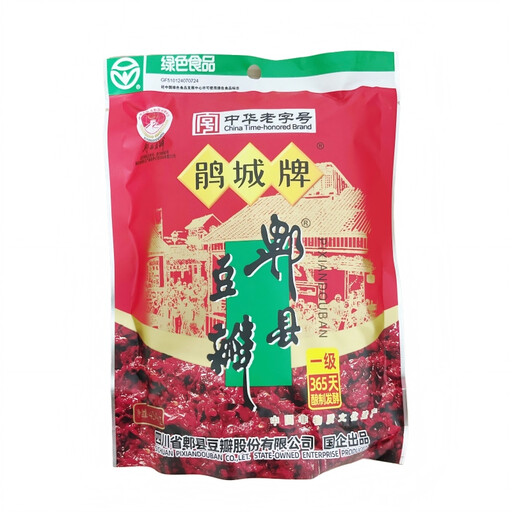
Why This Fits Their Persona: For the home cook dedicated to recreating authentic Sichuan dishes like Mapo Tofu or Twice-Cooked Pork, this is a non-negotiable pantry staple. It provides the foundational flavour that defines the cuisine.
This is a genuine PiXian Broad Bean Sauce, not a generic "chilli sauce." It avoids the misleading label trap by being the specific, fermented product required for true Sichuan cooking.
Its deep, savoury and complex spicy flavour comes from traditional fermentation. The product's heritage is linked to the National Intangible Cultural Heritage of China.
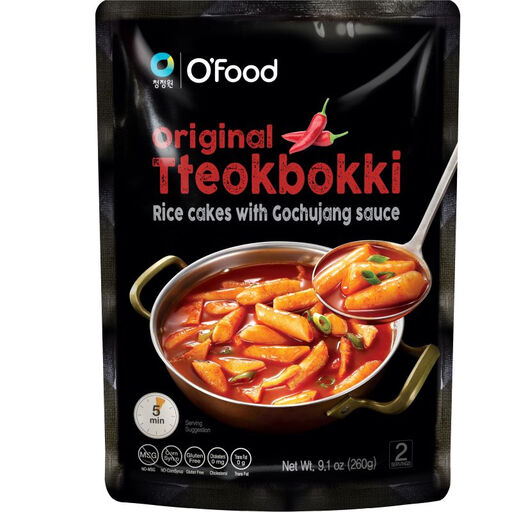
Why This Fits Their Persona: Perfect for anyone wanting to quickly make authentic-tasting Korean spicy rice cakes (Tteokbokki) at home. It takes the guesswork out of balancing the sweet, savoury and spicy elements.
This is a purpose-built tteokbokki sauce. It avoids the "one-size-fits-all" trap by being specifically formulated for one dish, ensuring an authentic street-food-style result rather than a generic spicy flavour.
Extreme convenience. The balanced flavour profile allows you to make a classic Korean dish in minutes, just by adding water and rice cakes.
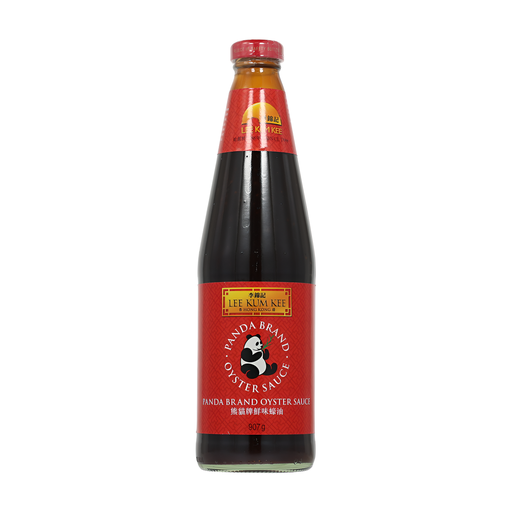
Why This Fits Their Persona: For the cook who needs a reliable, versatile workhorse. This oyster sauce is a cornerstone of Cantonese cooking and adds a savoury boost to countless stir-fries, marinades and vegetable dishes.
While versatile, it is not a generic "all-in-one" sauce. It has a specific umami flavour from genuine oyster extract, making it an indispensable and distinct tool rather than a bland compromise.
From a globally recognised brand, it offers consistent quality and authentic flavour. The large 907g bottle is excellent value for regular home cooks.
We have compiled a complete, real-time list of products that fully satisfy these strict selection criteria and UK safety regulations.
This is one of the most common points of confusion for those new to Asian condiments UK.
Always check the packaging for specific advice. As a general rule, most sauces should be refrigerated after opening to maintain their quality and flavour. Liquid sauces like soy sauce and vinegar have a long shelf life. Thicker sauces and pastes like oyster sauce, chilli bean paste or hoisin sauce should ideally be used within 3-6 months. The high salt content in many fermented pastes helps preserve them for longer.
Not at all. A solid foundation for most Chinese home cooking can be built with just a few key bottles: