
24/7 Customer Support

Free returns

Same-day & Next-day Delivery

Quality Guaranteed
Download the APP
Categories
Stepping into the world of authentic Asian cooking is a rewarding journey, but the sheer variety of condiments can feel a little overwhelming. Staring at a shelf of bottles, you might wonder: what is the real difference between Japanese rice wine and Chinese cooking wine? Is mirin the same as rice vinegar? Using the right one is key to unlocking those authentic flavours you love in your favourite dishes.
As the Joybuy Product Recommendation Officer, my role is to help you navigate these choices. This guide is designed to clarify the uses of different types of Asian cooking wine and vinegar, helping you select the right bottle to build your perfect Asian pantry staples. We will look at some popular options, breaking down their flavour profiles and best uses in the kitchen.
Before adding an item to your basket, consider these points to ensure you are getting the right product for your culinary needs.
Understand the Flavour Profile: The most significant difference lies in taste. Mirin, a type of Japanese rice wine, is a sweet cooking wine used to add a mild sweetness and glossy sheen to dishes. In contrast, Shaoxing wine (a type of liaojiu or Chinese cooking wine) has a more complex, savoury and slightly earthy flavour, ideal for marinades and braises. Rice vinegar, on the other hand, is acidic and provides a sharp, tangy note for dressings, pickles and sushi rice. They are not interchangeable.
Check the Core Ingredients: The quality of a cooking wine or vinegar often comes down to its origins. Traditionally brewed products tend to offer a more nuanced flavour. Look at the ingredient list – authentic mirin is typically made from glutinous rice and rice koji. High-quality Chinese cooking wine often includes rice, water, salt and sometimes wheat. A good rice vinegar will have a simple list, primarily featuring rice and water.
Match the Product to the Cuisine: While there is some crossover, certain wines are cornerstones of specific cuisines. If you are planning to make Japanese teriyaki, sukiyaki or glazed fish, mirin is essential. For classic Chinese dishes like red-braised pork belly, drunken chicken or hearty stir-fries, a bottle of Shaoxing wine is indispensable.
Here are a few carefully selected options that represent different categories of Asian liquid condiments, each serving a distinct purpose in the kitchen.
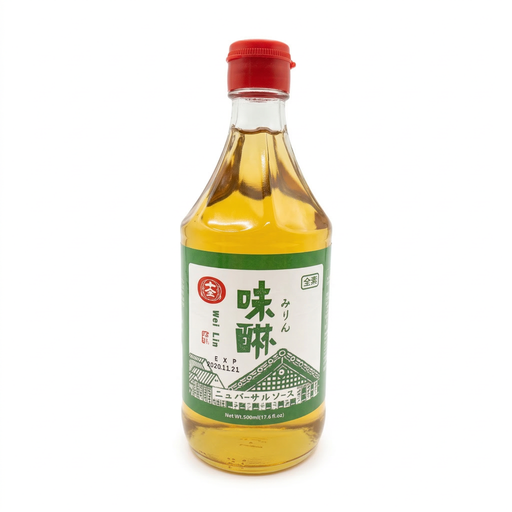
Why It Stands Out: This mirin is made using traditional Japanese techniques, naturally fermented from glutinous rice and rice koji. This process gives it a mellow, multi-layered sweetness that is distinct from simple sugar. It is particularly effective at adding a beautiful shine to sauces and glazes while helping to remove unwanted odours from fish and meat.
Pros:
Who is it for? This is an excellent choice for home cooks who want to master Japanese classics like teriyaki, nimono (simmered dishes) and tamagoyaki (Japanese omelette). It is a foundational sweet cooking wine for anyone serious about Japanese cuisine.
View Shi Quan Mirin 500ml on Joybuy.co.uk
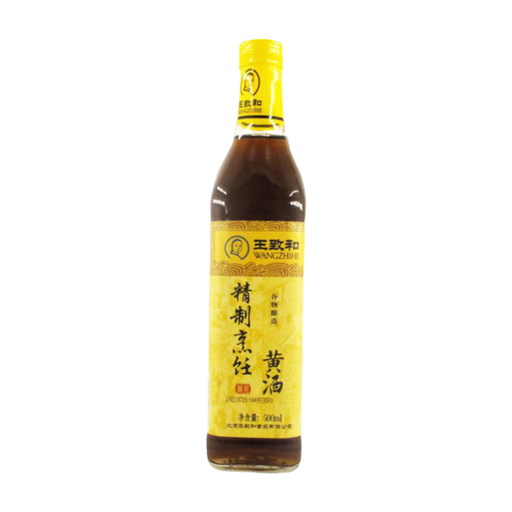
Why It Stands Out: As a product from a time-honoured Chinese brand, this Chinese cooking wine is specifically formulated to enhance the authentic flavours of Chinese cuisine. Often referred to as liaojiu, its primary purpose is to remove the "gaminess" from meat and seafood while adding a deep, savoury aroma during cooking. It is a true workhorse in the Chinese kitchen.
Pros:
Who is it for? This is a must-have for anyone passionate about cooking authentic Chinese food. If your recipes frequently call for marinating, braising or steaming, this premium cooking rice wine will quickly become one of your most-used Asian pantry staples.
View Wang Zhi He Premium Cooking Rice Wine on Joybuy.co.uk
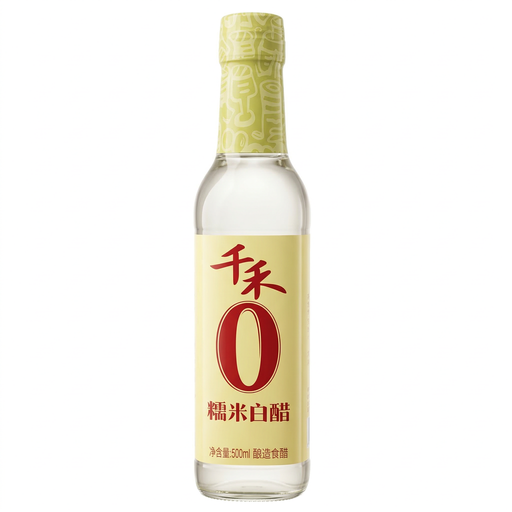
Why It Stands Out: It is important to distinguish cooking wines from vinegars. This rice vinegar from QianHe is brewed from fermented grains and offers a pure, mild acidity. Being colourless, it is perfect for recipes where you want to add a tangy flavour without altering the colour of your ingredients, such as in pickling liquids or light dipping sauces. The brand's focus on "Zero Additives" means the ingredient list is simple and clean.
Pros:
Who is it for? This is for the cook who needs a versatile, gentle vinegar. It is perfect for making pickles, seasoning sushi rice, creating vinaigrettes for cold salads or any application where a delicate, non-staining acidity is required.
View QianHe Glutinous Rice White Vinegar on Joybuy.co.uk
The world of Asian condiments is vast and varied. If you are searching for a different type of vinegar or wish to browse a wider range of options, our curated selection may have what you need.
Explore More Rice Vinegar 500ml Options on Joybuy UK
1. What is the difference between mirin and rice vinegar? The primary difference is flavour and function. Mirin is a sweet rice wine used to add sweetness, depth and a glossy finish to dishes. Rice vinegar is acidic (sour) and is used to add tanginess, much like other vinegars. They serve opposite purposes in balancing flavour and should not be used as substitutes for one another.
2. What is Shaoxing wine used for? Shaoxing wine is a cornerstone of Chinese cooking. It is a savoury, amber-coloured rice wine used primarily to remove unpleasant odours from meat and fish, tenderise ingredients in marinades and add a complex, aromatic flavour to braised dishes, soups and stir-fries.
3. Can I use regular drinking rice wine for cooking? While you can, it is not always ideal. Cooking wines like Shaoxing wine and mirin are specifically formulated for culinary use. They contain salt, which helps preserve them and seasons the food. Drinking rice wines may have a different flavour profile and alcohol content that might not be suitable for all recipes, and they are often more expensive. For consistent results in recipes, it is advisable to use a designated cooking wine.