
24/7 Customer Support

Free returns

Same-day & Next-day Delivery

Quality Guaranteed

Unlock Your Welcome Offers: FREE Delivery | Up to 80% OFF | Free 30-day JoyPlus trial
Download the APP
Asian fish cakes are convenient ingredients for ramen, hot pots, noodle soups, stir-fries and quick snacks. However, product names can be confusing: a Thai fish cake, Japanese kamaboko, Korean fried fish cake and frozen fish ball may all sit in the same online category while offering very different textures, flavours and preparation methods.
Before adding a pack to your basket, look beyond attractive packaging and broad claims about “authentic” taste. The ingredient list, storage instructions and intended cooking method are usually more useful indicators of whether a product suits your kitchen.
Some products are steamed or grilled and can be eaten cold or gently reheated. Others are pre-fried but still require thorough cooking, while frozen fish cakes and fish balls must be heated until piping hot throughout. Treating every product as ready to eat can create a food-safety risk and may also result in an unpleasant texture.
Check whether the label says ready to eat, cooking required, or cook from frozen. Follow the packaging instructions rather than relying on appearance.
A tube-shaped Japanese fish cake may be chikuwa, while a white fish cake with a pink spiral is narutomaki. Korean fish cakes are often flat, folded or assorted fried pieces, whereas Thai fish cakes commonly include chilli, lemongrass, kaffir lime leaf or other aromatic ingredients.
Shape alone does not tell you how a product will taste. For example, a mild kamaboko works well in broth, while a seasoned Thai fish cake may be more suitable for frying and serving with a dipping sauce.
A 160g refrigerated pack may suit one or two ramen bowls, but a 500g or 1kg frozen pack is more practical for family meals, hot pot gatherings or batch cooking. Frozen products also require freezer space and should not be refrozen after thawing.
For UK shoppers, check whether the item arrives frozen or chilled and ensure you can store it at the required temperature immediately.
The percentage of fish meat gives useful context, but it is not the only consideration. Thai fish cakes may include herbs, chilli and vegetables; fish tofu and fish cake rolls can contain soya skin, wheat starch, egg albumin or mushrooms; fish balls may include tapioca starch for a springy texture.
Read the full ingredients list if you have allergies or dietary preferences. Common allergens across Asian fish cakes include:
Do not assume a product is suitable for a particular diet based only on its name. For example, FIGO Taro Fish Ball is described as Halal certified and lists fish and taro without several common allergens, but always check the current packaging before purchase.
Choose according to how you intend to use the product:
The phrase “springy texture” is commonly used for surimi products, but the final bite also depends on starch content, fish percentage and cooking time.
Frozen fish cakes generally need to remain at -18°C or below. Some can be cooked directly from frozen, while others recommend thawing for more even heating. Refrigerated kamaboko and narutomaki should be kept at or below 4°C, then consumed within the period stated on the packaging after opening.
Always follow the individual product instructions. A product that appears suitable for a quick meal may still need several minutes of simmering, frying or steaming.
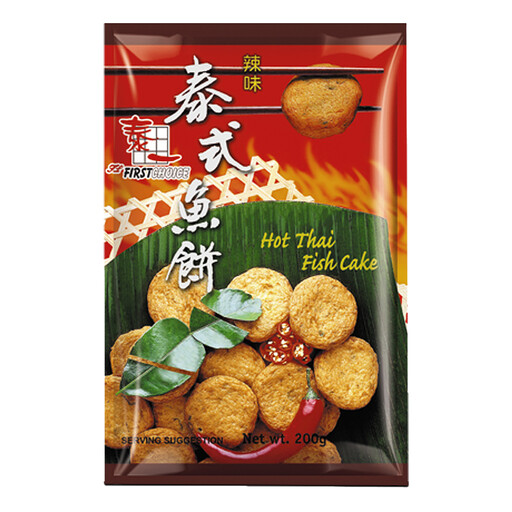
Why This Fits Their Persona: A 200g pack is a manageable way for students, couples and first-time buyers to try Thai fish cakes without committing to a larger frozen pack. Its listed ingredients include 71% fish paste, curry paste and vegetables.
The fish-paste percentage and named curry ingredients provide more useful information than relying on a generic “Thai-style” description.
200g portion; includes chilli, lemongrass, garlic and citrus leaf for a seasoned Thai profile.
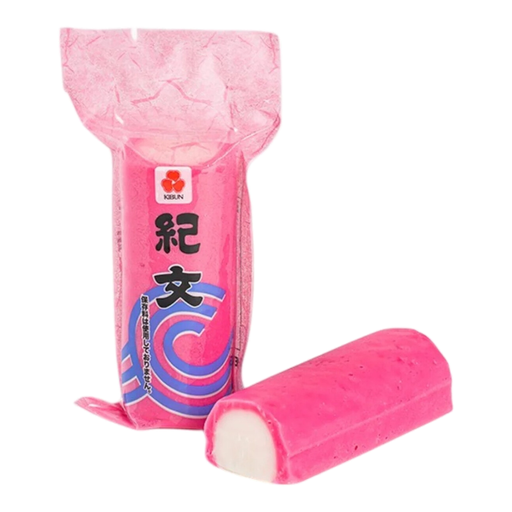
Why This Fits Their Persona: This steamed Japanese fish cake suits shoppers looking for a traditional kamaboko format for soups, hot pots, stir-fries or sliced toppings.
The product format is clearly identified as steamed kamaboko, helping distinguish it from fried fish cakes or raw seafood.
160g pack; described as soft and springy, with threadfin bream fish meat as the main fish ingredient.
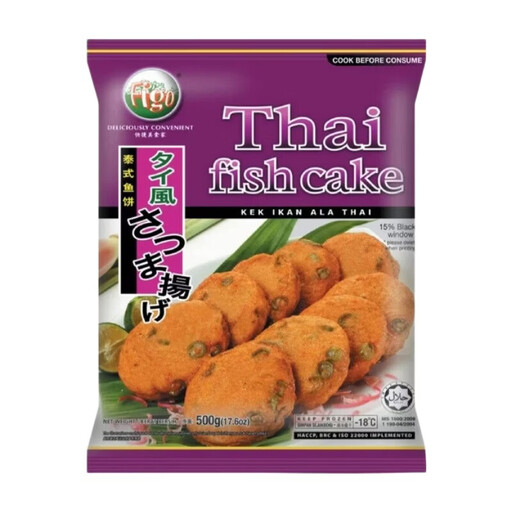
Why This Fits Their Persona: The larger frozen pack is suited to families, regular hot-pot cooks and anyone preparing several portions of Thai-inspired meals.
The listing states the fish percentage, storage temperature, cooking guidance and Halal certification, making key purchase checks easier.
500g frozen pack; suitable for frying, steaming, stir-frying, hot pots and noodle soups.
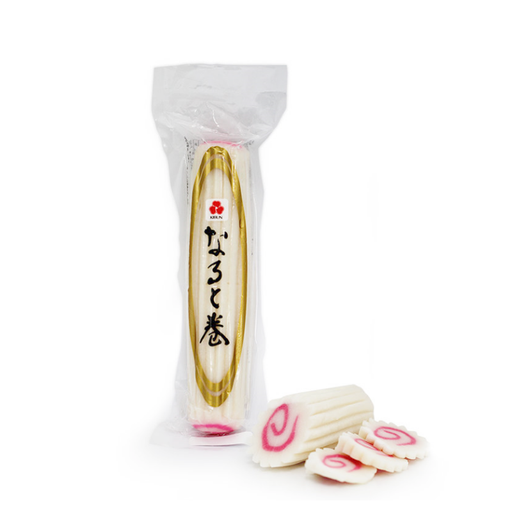
Why This Fits Their Persona: Pre-sliced narutomaki is designed for ramen, udon, soba, oden and cold noodle dishes, making it practical for home cooks who want a recognisable Japanese finishing touch.
Its stated use and pre-sliced format remove guesswork about portioning and presentation.
160g pack; distinctive pink spiral; refrigerated storage at or below 4°C.
We have compiled a complete, real-time list of products that fully satisfy these strict selection criteria and UK safety regulations.
Some are ready to eat, while others require cooking. Fried fish cakes may be pre-fried but still need heating, and frozen fish balls usually require boiling, steaming or frying. Always follow the instructions on the individual packaging.
Keep them in a freezer at -18°C or below and avoid refreezing after thawing. If the packaging shows signs of thawing or damage, check the product guidance before use.
Japanese narutomaki, kamaboko and chikuwa are suitable choices for ramen and other noodle soups. Add them towards the end of cooking so they warm through without becoming overly soft. Always check allergens, particularly fish, wheat, egg and soya.